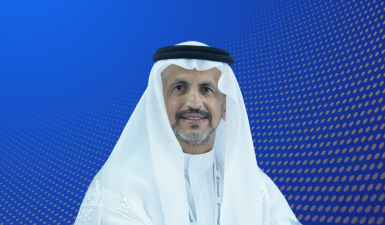
Knowledge Hub / Huda Ahmed Mohsen

CXO Spotlight

Eng. Huda Ahmed Mohsen
Ministry of Information (Bahrain)
Chief of Information Technology

CXO Spotlight

Breaking Barriers and Building Resilience: Women’s Leadership in Cybersecurity

Advancing the Frontlines of Cyber Resilience


In today’s rapidly evolving digital landscape, cyber threats are more sophisticated and relentless than ever before. Organizations across industries are investing heavily in technologies and strategies to defend their networks, data, and users. Yet one of the most profound strengths in building cyber resilience is often overlooked: the leadership and impact of women in cybersecurity.

 

While women remain underrepresented in cybersecurity roles globally — and particularly in leadership positions — those who have risen to leadership have demonstrated exceptional capability in shaping strategic decisions, strengthening organisational culture, and championing risk-aware innovation. Their contributions are not only valuable but redefine what strong leadership looks like in a sector driven by complexity, strategy, and human behaviour.


The Strategic Value of Women Leaders in Cybersecurity


Cybersecurity today is no longer just a technical function; it is a strategic business imperative, influencing governance, risk management, collaboration, and enterprise culture. Women leaders consistently bring strengths that align with these broader organisational needs:

 

Holistic Decision-Making


Women often adopt a systems-level approach to problem solving — integrating technical considerations with organisational dynamics, user behaviour, and business impact. This holistic thinking is vital in defending against sophisticated threats, where success depends not only on technology but on aligning people and processes with security objectives.

 

Collaborative Leadership Across Functions


Effective security demands teamwork spanning IT, risk, legal, human resources, and executive leadership. Women’s leadership styles — often inclusive and collaborative — help break down traditional silos, ensuring that security strategies are embedded across the enterprise rather than left isolated within technical teams.


Risk Awareness and Governance


Governance and risk management are core elements of resilient cybersecurity. Women leaders have a strong track record in balancing ambitious innovation with prudent risk mitigation, enabling organisations to advance securely while navigating rapid technological change.


Championing Cultural Change


Security is as much about behaviour as it is about technology. Women leaders frequently emphasise awareness, education, and communication — helping organisations cultivate a security mindset among employees, partners, and leadership alike.

Knowledge Hub / Eng. Sultanah Aljaser

CXO Spotlight

Eng. Sultanah Al Jaser
Chief Information Office (CIO)
Princess Nourah Bint Abdul Rahman University

CXO Spotlight

Women in AI at Princess Nourah University

A Spotlight on the women in Tech acting as CIO


At Princess Nourah University (PNU), one of the largest women’s universities in the world, the rise of women in technology and artificial intelligence has become a defining mark of progress. Among the most influential figures leading this transformation is the CIO, whose exceptional work has shaped the university’s digital future and strengthened the role of women in AI-driven innovation.


The PNU CIO Eng.Sultanah Aljaser has earned multiple awards in recognition of her leadership, creativity, and impact within the technology sector. Her achievements reflect not only personal excellence but also PNU’s commitment to elevating women’s contributions in emerging fields such as AI, digital transformation, and educational technology.


One of her most significant accomplishments came during her master’s studies, where she distinguished herself by developing and activating Arabic language functionality in a virtual assistant designed to support university students. This innovation was a major step forward for AI accessibility in the region. By enabling the assistant to understand and respond in Arabic, she made digital support more intuitive and culturally relevant for students, enhancing their overall academic experience.


Beyond her academic distinction, she has successfully launched several developmental and technological projects at PNU. These initiatives have played a vital role in improving systems, modernizing digital services, and supporting the university’s educational process. Through her vision and leadership, she has helped create a more efficient, connected, and technology-driven environment—empowering both students and faculty.


Her work stands as a powerful example of what women in AI can achieve when given the space, support, and opportunity to innovate. At Princess Nourah University, her journey continues to inspire a new generation of young women to explore careers in technology, artificial intelligence, and digital development.

Knowledge Hub / Massimiliano Claps

Analyst Spotlight

Massimiliano Claps
Research Director
IDC

Analyst Spotlight

Vision to Reality: How Governments are Empowering the Middle East’s AI Future

IDC predicts that AI will have a cumulative global economic impact of $19.9 trillion by 2030, driving 3.5% of global GDP growth. Governments will play a strategic dual role – both shaping policies for secure, impactful, and responsible adoption of AI across industries, and acting as major buyers of AI to transform public programs and services, enhancing operational efficiency and achieving mission outcomes.


The Gulf countries have ambitious aspirations to lead the global AI economy. Empowering public service transformation through AI has become both an economic competitiveness and national security imperative for the region. In fact, IDC predicts that by 2029, 40% of national governments, led by EU and GCC countries, will use agentic AI to digitize public services by life events, reducing the cost to operate digital channel infrastructure and platforms by 25%.


For instance, the Abu-Dhabi Government Digital Strategy 2025-2027 aims to “…position the emirate as a global leader in AI-driven government and will deploy AED13 billion through 2025-2027 to foster innovation and technology adoption in the emirate…”. Likewise, the Kingdom of Saudi Arabia wants to position itself as “…one of the leading countries in the field of AI at the global level”, and through its AI investment vehicle, Humain, plans to build up to six gigawatts of data center capacity nationwide by 2034.


The early applications of AI agents in government focused primarily on back-office functions such as HR, procurement, and IT, assisting with automating code documentation, software development, testing, engineering, and compliance with security regulations. However, AI agents are rapidly enabling governments to automate more complex, multi-step processes that cannot easily be codified through rules. These include mission-critical areas such as border control, public health, social benefits, and grants management.


Across these mission areas, AI solutions, like TAMM AI Assistant can drive more responsive, personalized, and convenient services that enhance citizen satisfaction and trust by addressing the challenges of bureaucratic, siloed delivery. They also have the potential to improve urban quality of life, as seen in initiatives, such as the KAFD smart traffic management project, or Dubai Police’s advanced computer vision systems for traffic safety.


Governments that are leading the AI race are focusing their strategies on key aspects namely – organizational change, responsible use, data readiness, and digital sovereignty.


Let’s explore how each of these elements will play a critical role in 2026.


Organizational Change


Implementing AI requires upskilling the entire government workforce to explore its potential and understand how their roles will evolve. Specialized technical expertise will be critical, not only in AI model development but also in agent and model orchestration, AI stack security, and cost control (e.g., managing per-token charges from third-party providers or optimizing GPU cluster deployment in private cloud environments).


Responsible Use of AI


Robust output validation, oversight, and monitoring are essential, particularly in use cases involving sensitive national security missions or government programs that impact vulnerable populations. Clear accountability and ethical frameworks will strengthen public trust.


Data Readiness


While accuracy is improving with newer large language models, fine-tuning and grounding models for specific government programs remain paramount. In some mission areas, small language models (SLMs) may also be more appropriate.


IDC’s 2025 Government Insights Survey reveals that 45% of governments plan to fine-tune GenAI models, and 35% plan to ground them using retrieval-augmented generation (RAG) frameworks. High-quality, secure, and accessible data is crucial for training, grounding, and operating AI agents. This is especially vital for autonomous agents, whose performance depends on memory and self-learning from prior interactions.


AI Sovereignty


Governments increasingly seek flexibility in AI deployment environments. According to IDC’s 2025 Government Insights Survey, only 32% of governments prefer the public cloud for AI. The majority favor private, hybrid, or sovereign setups.


IDC predicts that by 2026, 55% of governments will adopt hybrid sovereign cloud stacks – blending hyperscaler scale with national control to ensure compliance, security, and strategic autonomy of AI.


Sovereign control of the end-to-end AI ecosystem – from infrastructure to data, models, operations, and talent – is a top priority in the Gulf. For example, the Abu-Dhabi Government Digital Strategy 2025-2027, which aims to “… to establish a robust digital infrastructure, creating a flexible and scalable foundation to achieve 100% adoption of sovereign cloud computing for government operations and digitizing and automating 100% of processes.”


The Quantum Future


Beyond AI, quantum computing is emerging as a transformative technology for government, offering the potential to solve complex challenges in national security, scientific discovery, and critical infrastructure management. The integration of quantum and classical compute technologies will empower governments to operate more securely, efficiently, and strategically, laying the foundation for a new era of computational capability that strengthens economic competitiveness, national resilience, and global leadership for Saudi Arabia, the UAE and the whole region.


Regional Vision, Global Intelligence


The Gulf Region stands at the forefront of the global AI economy. At the IDC Saudi Arabia CIO Summit 2026, government leaders will have the opportunity to engage with regional peers, global IDC experts, and technology partners to accelerate their transformation journey and realize the benefits of disruptive technologies like AI and quantum.

Knowledge Hub / Essa Haidar

CXO Spotlight

Essa Haidar
Chief Technology Officer
Ooredoo

CXO Spotlight

Intelligent Networks, Intelligent Enterprises: Leading in the Age of AI Native Infrastructure

The digital economy is entering a decisive new phase — one where competitiveness is no longer determined by connectivity alone, but by intelligence built directly into infrastructure. Around the world, executive leaders are shifting from traditional transformation programs to a more ambitious mandate: creating enterprises that can sense, decide, and act in real time. This next frontier is defined by two powerful forces converging at scale: next‑generation networks and applied AI woven throughout the enterprise fabric.


The Network Becomes Intelligent: The 5G‑Advanced Era


Over the past decade, global operators made extraordinary strides advancing mobile broadband. Now, the leap to 5G‑Advanced (5G‑A) and 5G Standalone (5G SA) marks the most consequential shift since LTE. More than 180 operators are on track to deploy these capabilities by 2025, a signal that the industry has reached an inflection point.


5G‑A brings an immediate 20–30% improvement in network efficiency, delivering higher capacity and better user experience. Meanwhile, 5G SA — built on a fully cloud‑native architecture — achieves single‑digit millisecond latency, making real‑time industrial control, robotics, and immersive experiences commercially viable. Cloud‑native cores reduce energy per bit by 30–50%, drive faster innovation cycles, and streamline lifecycle management.


But the true transformation lies in the Service‑Based Architecture (SBA) underpinning 5G SA. This architecture is inherently programmable, enabling networks to behave less like infrastructure and more like intelligent digital systems.


Two capabilities exemplify this shift:


NWDAF — From Transport Layer to Decision Engine


The Network Data Analytics Function (NWDAF) infuses machine‑learning‑based analytics directly into the 5G core. It continuously monitors behavior, predicts mobility and traffic patterns, allocates resources intelligently, and automates policy decisions. In effect, NWDAF turns the network into an AI‑powered decision engine, capable of self‑optimization and real‑time experience assurance.


NEF — Exposing Intelligence to the Ecosystem


The Network Exposure Function (NEF) opens network capabilities securely to developers and enterprises. Through standardized APIs, organizations gain access to quality‑on‑demand, slicing control, real‑time analytics, location data, and event triggers that enable new industry applications. NEF transforms the network from a connectivity provider into a platform for ecosystem innovation.


Together, NWDAF and NEF redefine what a network can be — moving operators beyond bandwidth economics into the era of intelligent digital services.


AI at Scale: The Enterprise’s New Growth Engine


If 5G SA represents the digital nervous system, AI is the intelligence that activates it. Across industries, CEOs and technology leaders are now centering their strategies on three AI‑driven impact pillars:


1. Operational Efficiency That Moves the P&L


AI‑driven automation is delivering returns once considered aspirational: up to 35% OPEX reduction through predictive maintenance and automated configuration, over 20% improvement in capacity planning accuracy, and 30–50% fewer outages thanks to proactive anomaly detection and root‑cause acceleration. Efficiency is no longer a cost‑cutting exercise — it is a catalyst for reinvestment and growth.


2. Customer Experience Orchestrated, Not Managed


AI agents resolve 60–70% of engagement scenarios, enabling human experts to focus on complex needs. Predictive detection prevents issues before they reach the customer, cutting complaints by 25–40%. Personalized digital journeys deliver 15–25% conversion gains. Enterprises are evolving from reactive service models to proactive, end‑to‑end experience orchestration.


3. New Revenue Through Intelligent Network Services


Dynamic slicing, edge computing, and AI‑driven charging are expected to generate USD 130–150 billion globally by 2030. Industry‑specific applications — especially in logistics, manufacturing, and healthcare — now rely on real‑time network intelligence. With NEF‑enabled API monetization, operators are emerging as strategic enablers of national and sector‑wide digital transformation.


Advanced Compute: Accelerating AI for Every Enterprise


To unlock these capabilities, enterprises are modernizing their compute environments. Demand for GPU‑accelerated infrastructure is growing at 30%+ CAGR, driven by large‑scale training, inference, and real‑time analytics. Smart datacenters equipped with NVIDIA‑class GPUs deliver 3–10× faster training, secure AI experimentation, and high‑density efficiency. GPU‑as‑a‑Service models further democratize access, removing CAPEX barriers and speeding adoption.


The Path Forward: Building the AI‑Native Enterprise


The convergence of next generation networks, AI at scale, and GPU‑accelerated compute signals the dawn of the AI‑native enterprise. For leaders, the mandate is clear: build intelligent networks, activate enterprise‑wide AI, and transform infrastructure into a platform for innovation and growth.


Those who do will define the next era of digital leadership.

Knowledge Hub / Huda Ahmed Mohsen

CXO Spotlight

Eng. Huda Ahmed Mohsen
Ministry of Information (Bahrain)
Chief of Information Technology

CXO Spotlight

Breaking Barriers and Building Resilience: Women’s Leadership in Cybersecurity

Advancing the Frontlines of Cyber Resilience


In today’s rapidly evolving digital landscape, cyber threats are more sophisticated and relentless than ever before. Organizations across industries are investing heavily in technologies and strategies to defend their networks, data, and users. Yet one of the most profound strengths in building cyber resilience is often overlooked: the leadership and impact of women in cybersecurity.


While women remain underrepresented in cybersecurity roles globally — and particularly in leadership positions — those who have risen to leadership have demonstrated exceptional capability in shaping strategic decisions, strengthening organisational culture, and championing risk-aware innovation. Their contributions are not only valuable but redefine what strong leadership looks like in a sector driven by complexity, strategy, and human behaviour.


The Strategic Value of Women Leaders in Cybersecurity


Cybersecurity today is no longer just a technical function; it is a strategic business imperative, influencing governance, risk management, collaboration, and enterprise culture. Women leaders consistently bring strengths that align with these broader organisational needs:


Holistic Decision-Making


Women often adopt a systems-level approach to problem solving — integrating technical considerations with organisational dynamics, user behaviour, and business impact. This holistic thinking is vital in defending against sophisticated threats, where success depends not only on technology but on aligning people and processes with security objectives.


Collaborative Leadership Across Functions


Effective security demands teamwork spanning IT, risk, legal, human resources, and executive leadership. Women’s leadership styles — often inclusive and collaborative — help break down traditional silos, ensuring that security strategies are embedded across the enterprise rather than left isolated within technical teams.


Risk Awareness and Governance


Governance and risk management are core elements of resilient cybersecurity. Women leaders have a strong track record in balancing ambitious innovation with prudent risk mitigation, enabling organisations to advance securely while navigating rapid technological change.


Championing Cultural Change


Security is as much about behaviour as it is about technology. Women leaders frequently emphasise awareness, education, and communication — helping organisations cultivate a security mindset among employees, partners, and leadership alike.

Knowledge Hub / Massimiliano Claps

Analyst Spotlight

Massimiliano Claps
Research Director
IDC

Analyst Spotlight

Vision to Reality: How Governments are Empowering the Middle East’s AI Future

IDC predicts that AI will have a cumulative global economic impact of $19.9 trillion by 2030, driving 3.5% of global GDP growth. Governments will play a strategic dual role – both shaping policies for secure, impactful, and responsible adoption of AI across industries, and acting as major buyers of AI to transform public programs and services, enhancing operational efficiency and achieving mission outcomes.


The Gulf countries have ambitious aspirations to lead the global AI economy. Empowering public service transformation through AI has become both an economic competitiveness and national security imperative for the region. In fact, IDC predicts that by 2029, 40% of national governments, led by EU and GCC countries, will use agentic AI to digitize public services by life events, reducing the cost to operate digital channel infrastructure and platforms by 25%.


For instance, the Abu-Dhabi Government Digital Strategy 2025-2027 aims to “…position the emirate as a global leader in AI-driven government and will deploy AED13 billion through 2025-2027 to foster innovation and technology adoption in the emirate…”. Likewise, the Kingdom of Saudi Arabia wants to position itself as “…one of the leading countries in the field of AI at the global level”, and through its AI investment vehicle, Humain, plans to build up to six gigawatts of data center capacity nationwide by 2034.


The early applications of AI agents in government focused primarily on back-office functions such as HR, procurement, and IT, assisting with automating code documentation, software development, testing, engineering, and compliance with security regulations. However, AI agents are rapidly enabling governments to automate more complex, multi-step processes that cannot easily be codified through rules. These include mission-critical areas such as border control, public health, social benefits, and grants management.


Across these mission areas, AI solutions, like TAMM AI Assistant can drive more responsive, personalized, and convenient services that enhance citizen satisfaction and trust by addressing the challenges of bureaucratic, siloed delivery. They also have the potential to improve urban quality of life, as seen in initiatives, such as the KAFD smart traffic management project, or Dubai Police’s advanced computer vision systems for traffic safety.


Governments that are leading the AI race are focusing their strategies on key aspects namely – organizational change, responsible use, data readiness, and digital sovereignty.


Let’s explore how each of these elements will play a critical role in 2026.


Organizational Change


Implementing AI requires upskilling the entire government workforce to explore its potential and understand how their roles will evolve. Specialized technical expertise will be critical, not only in AI model development but also in agent and model orchestration, AI stack security, and cost control (e.g., managing per-token charges from third-party providers or optimizing GPU cluster deployment in private cloud environments).


Responsible Use of AI


Robust output validation, oversight, and monitoring are essential, particularly in use cases involving sensitive national security missions or government programs that impact vulnerable populations. Clear accountability and ethical frameworks will strengthen public trust.


Data Readiness


While accuracy is improving with newer large language models, fine-tuning and grounding models for specific government programs remain paramount. In some mission areas, small language models (SLMs) may also be more appropriate.


IDC’s 2025 Government Insights Survey reveals that 45% of governments plan to fine-tune GenAI models, and 35% plan to ground them using retrieval-augmented generation (RAG) frameworks. High-quality, secure, and accessible data is crucial for training, grounding, and operating AI agents. This is especially vital for autonomous agents, whose performance depends on memory and self-learning from prior interactions.


AI Sovereignty


Governments increasingly seek flexibility in AI deployment environments. According to IDC’s 2025 Government Insights Survey, only 32% of governments prefer the public cloud for AI. The majority favor private, hybrid, or sovereign setups.


IDC predicts that by 2026, 55% of governments will adopt hybrid sovereign cloud stacks – blending hyperscaler scale with national control to ensure compliance, security, and strategic autonomy of AI.


Sovereign control of the end-to-end AI ecosystem – from infrastructure to data, models, operations, and talent – is a top priority in the Gulf. For example, the Abu-Dhabi Government Digital Strategy 2025-2027, which aims to “… to establish a robust digital infrastructure, creating a flexible and scalable foundation to achieve 100% adoption of sovereign cloud computing for government operations and digitizing and automating 100% of processes.”


The Quantum Future


Beyond AI, quantum computing is emerging as a transformative technology for government, offering the potential to solve complex challenges in national security, scientific discovery, and critical infrastructure management. The integration of quantum and classical compute technologies will empower governments to operate more securely, efficiently, and strategically, laying the foundation for a new era of computational capability that strengthens economic competitiveness, national resilience, and global leadership for Saudi Arabia, the UAE and the whole region.


Regional Vision, Global Intelligence


The Gulf Region stands at the forefront of the global AI economy. At the IDC Egypt CIO Summit 2026, government leaders will have the opportunity to engage with regional peers, global IDC experts, and technology partners to accelerate their transformation journey and realize the benefits of disruptive technologies like AI and quantum.

Knowledge Hub / Essa Haidar

CXO Spotlight

Essa Haidar
Chief Technology Officer
Ooredoo

CXO Spotlight

Intelligent Networks, Intelligent Enterprises: Leading in the Age of AI Native Infrastructure

The digital economy is entering a decisive new phase — one where competitiveness is no longer determined by connectivity alone, but by intelligence built directly into infrastructure. Around the world, executive leaders are shifting from traditional transformation programs to a more ambitious mandate: creating enterprises that can sense, decide, and act in real time. This next frontier is defined by two powerful forces converging at scale: next‑generation networks and applied AI woven throughout the enterprise fabric.


The Network Becomes Intelligent: The 5G‑Advanced Era


Over the past decade, global operators made extraordinary strides advancing mobile broadband. Now, the leap to 5G‑Advanced (5G‑A) and 5G Standalone (5G SA) marks the most consequential shift since LTE. More than 180 operators are on track to deploy these capabilities by 2025, a signal that the industry has reached an inflection point.


5G‑A brings an immediate 20–30% improvement in network efficiency, delivering higher capacity and better user experience. Meanwhile, 5G SA — built on a fully cloud‑native architecture — achieves single‑digit millisecond latency, making real‑time industrial control, robotics, and immersive experiences commercially viable. Cloud‑native cores reduce energy per bit by 30–50%, drive faster innovation cycles, and streamline lifecycle management.


But the true transformation lies in the Service‑Based Architecture (SBA) underpinning 5G SA. This architecture is inherently programmable, enabling networks to behave less like infrastructure and more like intelligent digital systems.


Two capabilities exemplify this shift:


NWDAF — From Transport Layer to Decision Engine


The Network Data Analytics Function (NWDAF) infuses machine‑learning‑based analytics directly into the 5G core. It continuously monitors behavior, predicts mobility and traffic patterns, allocates resources intelligently, and automates policy decisions. In effect, NWDAF turns the network into an AI‑powered decision engine, capable of self‑optimization and real‑time experience assurance.


NEF — Exposing Intelligence to the Ecosystem


The Network Exposure Function (NEF) opens network capabilities securely to developers and enterprises. Through standardized APIs, organizations gain access to quality‑on‑demand, slicing control, real‑time analytics, location data, and event triggers that enable new industry applications. NEF transforms the network from a connectivity provider into a platform for ecosystem innovation.


Together, NWDAF and NEF redefine what a network can be — moving operators beyond bandwidth economics into the era of intelligent digital services.


AI at Scale: The Enterprise’s New Growth Engine


If 5G SA represents the digital nervous system, AI is the intelligence that activates it. Across industries, CEOs and technology leaders are now centering their strategies on three AI‑driven impact pillars:


1. Operational Efficiency That Moves the P&L


AI‑driven automation is delivering returns once considered aspirational: up to 35% OPEX reduction through predictive maintenance and automated configuration, over 20% improvement in capacity planning accuracy, and 30–50% fewer outages thanks to proactive anomaly detection and root‑cause acceleration. Efficiency is no longer a cost‑cutting exercise — it is a catalyst for reinvestment and growth.


2. Customer Experience Orchestrated, Not Managed


AI agents resolve 60–70% of engagement scenarios, enabling human experts to focus on complex needs. Predictive detection prevents issues before they reach the customer, cutting complaints by 25–40%. Personalized digital journeys deliver 15–25% conversion gains. Enterprises are evolving from reactive service models to proactive, end‑to‑end experience orchestration.


3. New Revenue Through Intelligent Network Services


Dynamic slicing, edge computing, and AI‑driven charging are expected to generate USD 130–150 billion globally by 2030. Industry‑specific applications — especially in logistics, manufacturing, and healthcare — now rely on real‑time network intelligence. With NEF‑enabled API monetization, operators are emerging as strategic enablers of national and sector‑wide digital transformation.


Advanced Compute: Accelerating AI for Every Enterprise


To unlock these capabilities, enterprises are modernizing their compute environments. Demand for GPU‑accelerated infrastructure is growing at 30%+ CAGR, driven by large‑scale training, inference, and real‑time analytics. Smart datacenters equipped with NVIDIA‑class GPUs deliver 3–10× faster training, secure AI experimentation, and high‑density efficiency. GPU‑as‑a‑Service models further democratize access, removing CAPEX barriers and speeding adoption.


The Path Forward: Building the AI‑Native Enterprise


The convergence of next generation networks, AI at scale, and GPU‑accelerated compute signals the dawn of the AI‑native enterprise. For leaders, the mandate is clear: build intelligent networks, activate enterprise‑wide AI, and transform infrastructure into a platform for innovation and growth.


Those who do will define the next era of digital leadership.

Knowledge Hub / Huda Ahmed Mohsen

CXO Spotlight

Eng. Huda Ahmed Mohsen
Ministry of Information (Bahrain)
Chief of Information Technology

CXO Spotlight

Breaking Barriers and Building Resilience: Women’s Leadership in Cybersecurity

Advancing the Frontlines of Cyber Resilience


In today’s rapidly evolving digital landscape, cyber threats are more sophisticated and relentless than ever before. Organizations across industries are investing heavily in technologies and strategies to defend their networks, data, and users. Yet one of the most profound strengths in building cyber resilience is often overlooked: the leadership and impact of women in cybersecurity.


While women remain underrepresented in cybersecurity roles globally — and particularly in leadership positions — those who have risen to leadership have demonstrated exceptional capability in shaping strategic decisions, strengthening organisational culture, and championing risk-aware innovation. Their contributions are not only valuable but redefine what strong leadership looks like in a sector driven by complexity, strategy, and human behaviour.


The Strategic Value of Women Leaders in Cybersecurity


Cybersecurity today is no longer just a technical function; it is a strategic business imperative, influencing governance, risk management, collaboration, and enterprise culture. Women leaders consistently bring strengths that align with these broader organisational needs:


Holistic Decision-Making


Women often adopt a systems-level approach to problem solving — integrating technical considerations with organisational dynamics, user behaviour, and business impact. This holistic thinking is vital in defending against sophisticated threats, where success depends not only on technology but on aligning people and processes with security objectives.


Collaborative Leadership Across Functions


Effective security demands teamwork spanning IT, risk, legal, human resources, and executive leadership. Women’s leadership styles — often inclusive and collaborative — help break down traditional silos, ensuring that security strategies are embedded across the enterprise rather than left isolated within technical teams.


Risk Awareness and Governance


Governance and risk management are core elements of resilient cybersecurity. Women leaders have a strong track record in balancing ambitious innovation with prudent risk mitigation, enabling organisations to advance securely while navigating rapid technological change.


Championing Cultural Change


Security is as much about behaviour as it is about technology. Women leaders frequently emphasise awareness, education, and communication — helping organisations cultivate a security mindset among employees, partners, and leadership alike.

Redefining South Africa’s Education Sector: Access, Intelligence, and Integration

Redefining South Africa’s Education Sector: Access, Intelligence, and Integration

Redefining South Africa’s Education Sector

Access, Intelligence, and Integration

Hosted by

Logo

Digital transformation (DX) is progressing steadily across South Africa’s education sector. However, progress in DX does not automatically translate into bridging the broader education divide. Transformation initiatives often fall short of addressing systemic challenges such as equitable, ubiquitous access, infrastructure gaps, and inclusive learning experiences.


The focus is now shifting from isolated digital initiatives to enterprise-wide platform integration. IDC data shows that while 46.2% of education institutions in South Africa consider themselves “somewhat digital,” only 15.4% have reached digital-native maturity.


Education CIOs must therefore balance multiple priorities: transforming operational systems, improving user experience for faculty and students, and enabling education and research programs. At the same time, platform proliferation, multicloud adoption, IT/OT integration, and evolving security threats, including AI-driven risks, are increasing operational complexity.


This exclusive executive roundtable, hosted by MTN Business in association with IDC, will examine how institutions can bridge the education divide through unified platforms, multicloud integration, and AI-driven intelligence.


Attendees will hear from IDC, MTN Business, and leaders from South Africa’s education sector, while engaging directly with peers navigating similar transformation journeys.

What we’ll explore:

  • Ensuring consistent performance, cost and control across IT and OT environments.
  • Multicloud management, app modernization and data transformation
  • Addressing emerging risks, including AI-driven security challenges

Agenda

Redefining South Africa’s Education Sector: Access, Intelligence, and Integration

One Day Event

4:00 pm

Registration & Networking Coffee

5:00 pm

Welcome Address

Jonathan Tullett

Jonathan Tullett

Associate Research Director, IDC

5:05 pm

IDC Keynote: Beyond Transformation: Building Integrated Digital Platforms for the Future of Education

Jonathan Tullett

Jonathan Tullett

Associate Research Director, IDC

5:20 pm

From Connectivity to Capability: Rethinking Digital Infrastructure for Inclusive Education

Dr. Megan Vercueil

Dr. Megan Vercueil

Head – Enterprise Mobility, South Africa, MTN Business

5:40 pm

Roundtable Open Discussion

6:00 pm

Networking Dinner

Speakers

Jonathan Tullett

Jonathan Tullett

Associate Research Director

IDC

Read bio

Dr. Megan Vercueil

Dr. Megan Vercueil

Head – Enterprise Mobility, South Africa

MTN Business

Read bio

Partners

Venue

Protea Hotel Fire & Ice! Johannesburg Melrose Arch

New York Meeting Room 

22 Whiteley Rd, Precinct, Johannesburg

Be Part of it!

Register Now

AI Sovereignty and Resiliency

AI Sovereignty and Resiliency

What CIOs Must Prioritize Now

Overview

The Middle East is navigating a period of significant geopolitical and economic change. For technology leaders in the UAE, the priority is not only to manage risk, but also to sustain innovation, resilience, and long-term digital progress in an increasingly complex environment.


The current crisis is introducing new variables into the global technology economy. IDC’s latest outlook indicates that IT spending in the Middle East and Africa is expected to grow by around 5% in 2026, with a downside scenario of 3–4% growth should geopolitical pressures persist. At the same time, IDC expects the near-term impact to be more toward timing and spending mix shifts than by a broad pullback in demand.


The regional picture is unlikely to be uniform. Gulf markets such as the UAE are expected to show greater near-term resilience than more import-dependent economies, giving CIOs in the Emirates a different challenge: how to maintain momentum on strategic priorities while adapting to shifting risk, regulatory, and investment conditions.

Join Us

The IDC Middle East Virtual Roadshow – UAE Edition will explore how these forces are reshaping CIO priorities in the Emirates and what they mean for technology investment, AI adoption, digital sovereignty, cybersecurity, and enterprise resilience in the months ahead.

Key Imperatives

Resilience First

Ensuring enterprise operations remain uninterrupted through stronger infrastructure, disaster recovery, and business continuity strategies.

Digital Sovereignty

Strengthening control over data, infrastructure, and digital ecosystems to support strategic autonomy in the Middle East.

AI Acceleration

Sustaining AI innovation and scaling intelligent capabilities even as organizations navigate crisis.

Cloud Continuity

Designing resilient cloud architectures that support multi-region availability, operational stability, and sovereign requirements.

Cyber Protection

Safeguarding digital infrastructure, data, and enterprise operations against evolving cyber threats and disruptions.

Smart Investment

Balancing cost pressures while prioritizing strategic technology investments that drive long-term innovation and resilience.

Agenda

AI Sovereignty and Resiliency

One Day Event

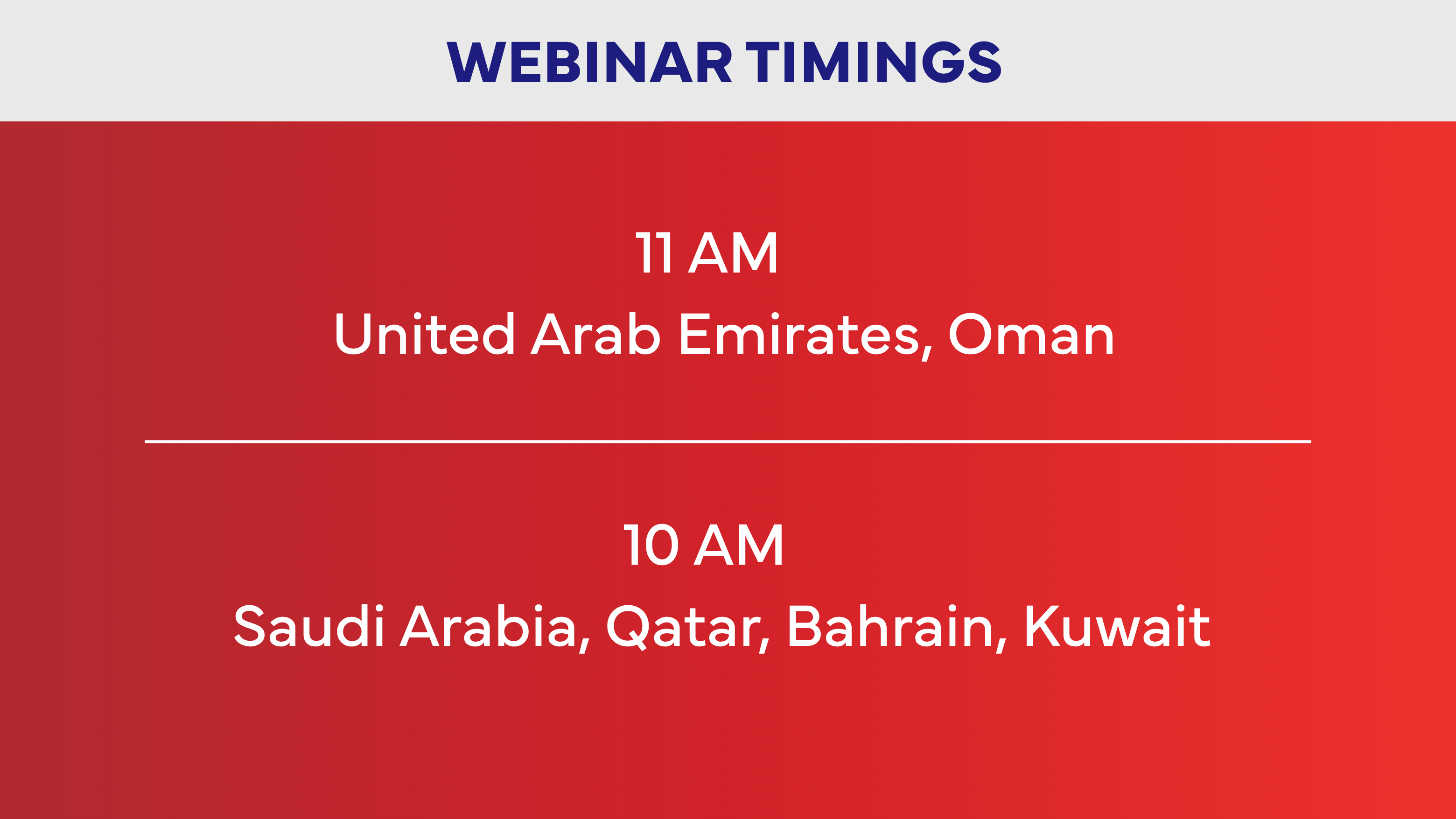
11:00 am

Welcome Address

11:05 am

IDC Keynote: The CIO Agenda Reset: What’s Changing for Technology Leaders in the GCC

Attendees will gain insights into new priorities around resilience, data sovereignty, multi-cloud strategies, and talent transformation as CIOs navigate an increasingly AI-first, regulation-driven, and fast-growing digital economy.

Ranjit Rajan

Ranjit Rajan

Vice President, Research (META), IDC

11:20 am

Anchored in Intelligence: AI, Data Sovereignty & Resilience in Shifting Economies

The rules of the digital economy are being rewritten. As Gulf economies navigate an era of unprecedented change, the ability to harness AI while maintaining control over data and digital infrastructure has never been more critical. AI is the new currency of power — and for organizations across the region, harnessing the value whilst maintaining sovereignty and resilience is no longer optional; they are strategic imperatives.

Join ServiceNow as we examine the strategies, technologies and practices needed to build intelligent, sovereign and resilient foundations — ones that withstand disruption and drive sustainable long-term growth.

Ask Questions and stand a chance to win exciting e-gift vouchers.

Tolga Tutel

Tolga Tutel

Field CTO, Middle East & Africa, ServiceNow

Shakeel Baig

Shakeel Baig

Specialized Solutions Sales Leader, Saudi Arabia, ServiceNow

11:35 am

Architecting for Resilience and AI Independence in a Volatile World

In an era where geopolitical shifts and economic volatility are the new constants, CIOs are being asked to do the impossible: innovate at lightning speed while guaranteeing absolute operational resilience. This session explores how a “Sovereign-First” approach—powered by open hybrid cloud and automated AI—allows Middle Eastern enterprises to reclaim control over their data, their costs, and their future. Join Red Hat as we share real-world blueprints from regional leaders like Emirates NBD on how to build a technology foundation that doesn’t just survive disruption but thrives on it.

Ask Questions and stand a chance to win exciting e-gift vouchers.

Anirban Mukherjee

Anirban Mukherjee

Director of Solutions Architecture, Middle East & North Africa (MENA), Red Hat

11:50 am

Digital Sovereignty: From Policy Imperative to Technology Strategy

As geopolitical tensions, regulatory pressures, and data security concerns intensify, digital sovereignty has moved beyond policy debates into the heart of technology strategy. This session explores how organizations are translating sovereignty requirements into concrete architectural and operational decisions—from cloud and data residency to vendor selection and cyber resilience. Attendees will gain insight into balancing control with innovation, and how to design future-ready digital ecosystems that meet both regulatory demands and business objectives in an increasingly fragmented global landscape.

Ask Questions and stand a chance to win exciting e-gift vouchers.

Ahmed I Farrag

Ahmed I Farrag

Chief Technology Officer, IBM

12:05 pm

Secure information Management for AI, by OpenText

Control your enterprise information to drive trusted, scalable results with AI.

In an AI-first world, success depends on secure, connected, high-quality, and well-governed data. OpenText helps organizations unlock AI’s full potential by unifying data sets across systems such as ERPs, CRMs, supply chains, content management and more, ensuring accuracy with zero hallucination and making sure AI is used in context, all of this in a compliant and secure ways. From ingestion and curation to search, summarization, and protection, we deliver secure information management that fuels smarter automation and scales to make your enterprise ready for the evolving demands of AI.

Ask Questions and stand a chance to win exciting e-gift vouchers.

Marc Merheb

Marc Merheb

Director Solutions Consulting, Middle East Region, OpenText

12:20 pm

Securing AI at the Edge: Innovate with AI While Keeping Your Data Safe and online

Unlock AI innovation without compromising data privacy or system uptime. Cloudflare’s Connectivity Cloud solves the modern CIO’s challenge by bringing computing and security directly to the edge.

Here is how Cloudflare empowers your secure AI transformation:

  • Fast AI: Run AI models directly on Cloudflare’s nearest servers for lightning-fast answers.
  • Advanced AI Security: Protect applications from hidden risks like prompt injections and shadow AI. Cloudflare acts as a protective firewall for your LLMs and applies Zero Trust protocols to secure AI agents.
  • Unified Control & Resilience: Manage AI APIs, control costs, and oversee data localization from a single dashboard. You can rely on a massive global network built to absorb cyberattacks and ensure continuous uptime.

Ask Questions and stand a chance to win exciting e-gift vouchers.

Bader Shaath

Bader Shaath

Senior Solutions Engineer, Cloudflare

12:35 pm

Building Resilient Workloads on the Cloud

Google Cloud’s approach to resilience is founded on its global, architecturally robust network, spanning 43 regions and 130 zones, and its deep Site Reliability Engineering (SRE) expertise, focusing on minimizing failure impact and duration. Utilizing this platform (“Resilience ON the Cloud”) involves a shared responsibility model, requiring customers to deploy critical applications using multi-zone and multi-region architectures to ensure rapid, automated failovers and high availability. The deck reviews enterprise Disaster Recovery (DR) strategies categorized by risk protection and RTO/RPO, including Backup & Restore, Pilot Light, Warm Standby, and Multi-Site Active/Active. Finally, the presentation emphasizes Google Cloud’s built-in Security, Privacy, and Compliance, detailing global certifications, a zero-trust model (BeyondProd/BeyondCorp), and specific customer controls over data through features like default encryption, Data Residency, and Access Transparency.

Ask Questions and stand a chance to win exciting e-gift vouchers.

Akshay Dalal

Akshay Dalal

Head of Regional Risk and Compliance, UAE, Google Cloud

Ahmed Afrose

Ahmed Afrose

Head of Customer Engineering UAE, Levant and North Africa, Google Cloud

12:50 pm

Governance, Protection and Resiliency in the era of AI

This session highlights the challenges of managing a rapidly expanding global datasphere, expected to reach 175 zettabytes by 2025. With most data unstructured and recently created, organizations face growing complexity, data sprawl, and security risks, even as AI unlocks valuable insights.

He introduces two frameworks. The 5-Step Value Pyramid helps organizations move from data storage to value creation: identifying useful data, migrating from legacy systems, optimizing storage, automating workflows, and leveraging AI for insights. The 3-2-1-0 Resiliency Standard strengthens data protection by ensuring multiple copies across different media, including one air-gapped, with zero recovery errors.

The presentation concludes by emphasizing Iron Mountain’s integrated approach to physical and digital data management, combining sustainable data centers and advanced restoration capabilities to support AI readiness while ensuring strong governance and long-term data protection.

Ask Questions and stand a chance to win exciting e-gift vouchers.

Cliff Madru

Cliff Madru

Vice President, Digital Solutions, Iron Mountain

1:05 pm

From Risk to Resilience in the AI Era

The role of the CISO is expanding faster than ever. AI adoption is accelerating, regulatory pressure is intensifying, and boards expect clearer answers on risk, resilience, and return on security investment. At the same time, CISOs face growing personal accountability while still being expected to enable innovation rather than slow it down.
In this executive level session, let us unpack the key findings from The CISO Report 2026: From Risk to Resilience in the AI Era and explore what they mean for security leaders

Ask Questions and stand a chance to win exciting e-gift vouchers.

Tom Gamali

Tom Gamali

Field CTO & Strategic Advisor, MEA-TRC, Splunk

1:20 pm

Beyond Digital Ghosts: Defending the New AI Attack Surface

As organizations embrace Agentic AI enterprise applications, the attack surface is shifting from traditional system access to complex identity replication and new vulnerabilities are introduced. In this session, we will explore the evolving AI security landscape and how proactive AI innovations, like Trend Cybertron, are transforming defense. Attendees will discover a comprehensive blueprint for securing the entire AI lifecycle. We will discuss safely managing the secure end-user AI journey, and enforcing real-time guardrails for AI applications Finally, we will unpack how to fortify underlying AI factory infrastructure using TrendAI AI security stack.

Ask Questions and stand a chance to win exciting e-gift voucher worth AED 500 sponsored by TrendAI. 

Bilal Issa

Bilal Issa

Technical Manager, Gulf, TrendAI

1:35 pm

Gold Tracks (Parallel Sessions)

Join the tracks to participate in the session kickoff raffle.

Ask Questions and stand a chance to win exciting e-gift vouchers.

Track A: Future-Ready Security for a Resilient Digital Enterprise

1:35 pm – 1:45 pm

Cyber Resiliency Journey Maps

Hazem AbuShaban

Hazem AbuShaban

Senior Systems Engineer & Cyber SME – UAE, Commvault

1:45 pm – 1:55 pm

Preemptive Security in an AI World

Tareq Momani

Tareq Momani

Head of Systems Engineering, Middle East, Infoblox

1:55 pm – 2:05 pm

Securing the AI Future: Identity to Protect Sovereign Data

Rob Greenman

Rob Greenman

Principal Sales Engineer, Ping Identity

Track B: Data, Trust, and Sovereignty in the Age of AI

1:35 pm – 1:45 pm

The Sovereign Intelligence: Fueling Regional Innovation via Logical Data Management

Alexey Sidorov, PhD

Alexey Sidorov, PhD

Chief Data Evangelist and Data Management Director, Denodo

1:45 pm – 1:55 pm

Trusted & Sovereign AI in Action — From Insight to Responsible Execution

Faye Murray

Faye Murray

Field Chief Data Officer (EMEA), Dataiku

2:05 pm

Summary & Takeaways, IDC

2:15 pm

Close of Event

Speakers

Shakeel Baig

Shakeel Baig

Specialized Solutions Sales Leader, Saudi Arabia

ServiceNow

Read Bio

Tolga Tutel

Tolga Tutel

Field CTO, Middle East & Africa

ServiceNow

Read Bio

Ahmed I Farrag

Ahmed I Farrag

Chief Technology Officer

IBM

Read Bio

Bader Shaath

Bader Shaath

Senior Solutions Engineer

Cloudflare

Read Bio

Anirban Mukherjee

Anirban Mukherjee

Director of Solutions Architecture, Middle East & North Africa (MENA)

Red Hat

Read Bio

Marc Merheb

Marc Merheb

Director Solutions Consulting, Middle East Region

OpenText

Read Bio

Hazem AbuShaban

Hazem AbuShaban

Senior Systems Engineer & Cyber SME – UAE

Commvault

Read Bio

Alexey Sidorov, PhD

Alexey Sidorov, PhD

Chief Data Evangelist and Data Management Director

Denodo

Read Bio

Tareq Momani

Tareq Momani

Head of Systems Engineering, Middle East

Infoblox

Read Bio

Cliff Madru

Cliff Madru

Vice President, Digital Solutions

Iron Mountain

Read Bio

Faye Murray

Faye Murray

Field Chief Data Officer (EMEA)

Dataiku

Read Bio

Tom Gamali

Tom Gamali

Field CTO & Strategic Advisor, MEA-TRC

Splunk

Read Bio

Rob Greenman

Rob Greenman

Principal Sales Engineer

Ping Identity

Read Bio

Ahmed Afrose

Ahmed Afrose

Head of Customer Engineering UAE, Levant and North Africa

Google Cloud

Read Bio

Bilal Issa

Bilal Issa

Technical Manager, Gulf

TrendAI

Read Bio

Akshay Dalal

Akshay Dalal

Head of Regional Risk and Compliance, UAE

Google Cloud

Read Bio

Knowledge Hub

Rethinking Digital Sovereignty in a Disrupted World

For years, digital transformation was measured by speed, scale, and efficiency. Today, resilience is emerging as a defining metric. As digital infrastructure becomes part of a nation’s critical fabric, disruptions no longer remain confined to IT — they impact economies, public services, and trust itself.

Hande Akdede Erbay
| IBM MEA
Head of Data & AI
Read More

Building Operational Resilience With Open Source

The conversation around digital transformation in the UAE is shifting. Organizations want to adopt artificial intelligence while retaining control over their data and infrastructure.

Anirban Mukherjee
| Red Hat
Director of Solutions Architecture (MENA)
Read More

Mapping Cyber Resilience in an Era of Disruption

Disruption has become harder to contain. Hybrid cloud has expanded the enterprise footprint. AI is embedded into core operations. Identity now sits at the centre of access.

Yahya Kassab
| Commvault
Senior Director and General Manager – KSA & Gulf
Read More

Partners

Be Part of it!

REGISTER NOW