IDC CIO Summit Saudi Arabia 2025 – Gallery

Sponsored by
South African enterprises are chasing growth on a tighter leash. While the shift toward digital is real and accelerating, with digital revenue expected to top 75% by 2030, business and IT leaders are under greater pressure to show financial results from digital investments. In an enterprise that works through disconnected systems, that digital goal is hard to come by. CRM, finance and collaboration systems that were never built to talk to each other slow down every decision.
The result is duplicated data and IT teams patching gaps instead of building for growth. Interoperability, systems working as one instead of a stack of point solutions bolted together, is what turns digital investment into the financial results boards are now demanding.
IDC and Zoho are hosting an exclusive gathering of C-level and senior IT leaders in Johannesburg to examine how unifying core business systems can cut integration complexities and strengthen data control without slowing growth.
Attendees leave with a clear read on where their own systems create hidden cost, compliance or experience risk, and a blueprint for closing that gap.
IDC presents current research on cost, data control and system fragmentation facing South African enterprises, drawing on IDC’s recent regional research.
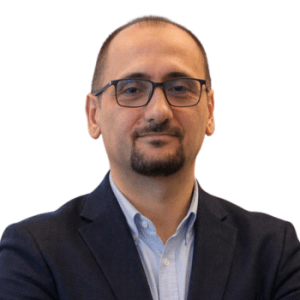
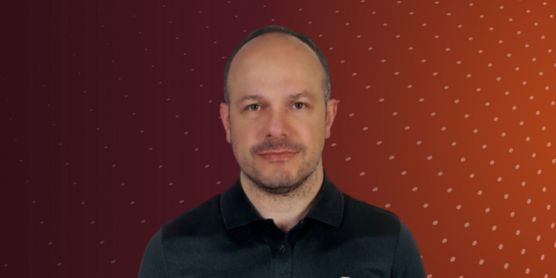
Jonathan Tullett
Associate Research Director, IDC
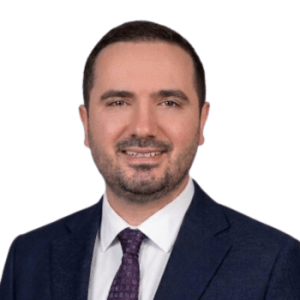
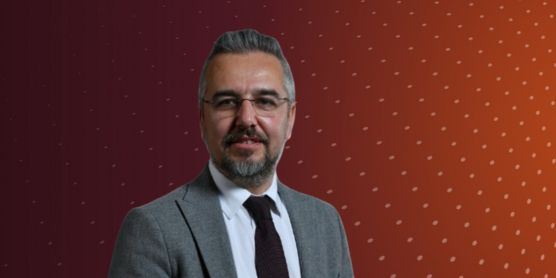
Andrew Bourne
Regional Head, Southern Africa, Zoho
Jonathan Tullett is Associate Research Director for IT Services across Sub-Saharan Africa. His specialist areas include IT services, outsourcing, cloud computing, information security, and digital transformation.
Originally from the U.K. and currently based in Johannesburg, Jonathan has spent two decades working in technology and media across Europe, the Middle East, and Africa. In addition to consulting and research, he has worked in cybersecurity and application development.
Jonathan leads research and consulting projects across Sub-Saharan Africa as well as engagements in Europe and the Middle East, helping customers navigate emerging digital business opportunities, refine competitive go-to-market strategies, and gain insights into regional market performance.
Jonathan combines a deep understanding of both business and technology to deliver actionable insights for clients, who include global hyperscale cloud providers, regional telecom operators, local and global systems integrators, and managed service providers, as well as end-user organizations including financial services and government.
IDC presents current research on cost, data control and system fragmentation facing South African enterprises, drawing on IDC’s recent regional research.
Andrew is Zoho’s Regional Head for the Southern Africa region, and the Executive Director of the Zoho South African entity. He has more than 18 years of experience in Sales and Marketing. Since 2019 Andrew has been advising organizations, delivering keynote talks, television and radio interviews, as well as speaking at educational institutions about business technology. He is very passionate about technology and has exceptional insight into the business world. Outside of work he enjoys; golf, tennis, padel, and wakeboarding.
Meeting Room 4
42 The High St, Melrose, Johannesburg, 2076
CIO’nun rolü, teknik bir yönetim fonksiyonundan stratejik bir liderlik alanına dönüşüyor. CIO unvanındaki ‘I’ harfi artık sadece ‘information’ değil; giderek ‘innovation’ ve ‘impact’ anlamına geliyor.”
Bugün CIO’ların gündemi yalnızca yeni teknolojileri hayata geçirmek değil; yapay zekâyı, veriyi ve siber güvenliği iş stratejisinin ayrılmaz bir parçası haline getirmektir. Özellikle üretken ve ajan tabanlı yapay zekâ, kurumların çalışma biçimini yeniden şekillendirirken; başarıyı belirleyen unsur teknoloji yatırımlarının büyüklüğü değil, bu yatırımların ölçülebilir iş değerine dönüşebilmesidir.
Teknoloji liderleri olarak uzun yıllar sistemlerin hızı ve kapasitesiyle meşgul olduk; ancak bugün geldiğimiz nokta, insan potansiyelinin gerçek anlamda özgürleştiği bir eşik.
Yapay zekâ çağında rekabet avantajı, insan zekâsı ile yapay zekâyı en doğru şekilde bir araya getiren kurumların elinde olacak. CIO’ların yeni sorumluluğu, sadece yapay zekâ projeleri geliştirmek değil, bu projelerin iş değerini, güvenliğini ve maliyet etkinliğini sürdürülebilir şekilde yönetmektir.
Günümüzde teknoloji liderlerinin ana gündemi, yapay zekâ tabanlı otonom sistemleri (Agentic Systems) iş süreçlerine entegre ederek dijital dönüşümü bir üst seviyeye taşımak. Ancak bu dönüşüm; güçlü veri yönetimi, modernize edilmiş teknoloji altyapıları ve siber güvenlikten ödün vermeyen bir yaklaşımla mümkün oluyor.
Kurumlar için teknoloji artık bir destek fonksiyonu değil, büyümenin ve inovasyonun temel gücü haline geldi. Bu doğrultuda kurumlar; yatırım önceliklerini yapay zekâ, bulut teknolojileri, veri platformları ve siber dayanıklılık üzerine yoğunlaştırırken, teknoloji projelerinin ölçülebilir iş değeri üretmesine odaklanmaktadırlar.
Yapay zeka, önümüzdeki dönemde yalnızca “araç” olmaktan çıkıp tüm iş süreçlerinin arka planında çalışan görünmez bir ortak zeka katmanına dönüşecektir. Gelecekte fark, modelin ne kadar güçlü olmasından çok, onu hangi veriyle ve hangi yönetişimle beslediğimiz belirleyecek.
Teknolojinin iş dünyasındaki rolü artık yalnızca operasyonel verimlilik sağlamakla sınırlı değil; doğrudan büyümenin, rekabet avantajının ve yeni iş modellerinin temelini oluşturuyor.
Özellikle otomotiv, mobilite ve üretim gibi fiziksel operasyonlarla dijital dünyanın giderek daha fazla iç içe geçtiği sektörlerde, teknoloji liderleri için önümüzdeki dönemin en önemli gündeminin inovasyon hızı ile kurumsal sürdürülebilirlik arasında doğru dengeyi kurmak olacağını düşünüyorum.
Yapay zekanın önümüzdeki dönemde CIO gündeminin merkezinde yer alacağına inanıyorum. Finans sektöründe yapay zekayı yalnızca içerik üretimi veya bir asistan teknolojisi olarak değil; karar destek, operasyonel otomasyon, veri analizi ve iş süreçlerinin uçtan uca yönetilmesini sağlayan stratejik bir yetkinlik olarak konumlandırıyoruz.
Yapay zeka çağında teknoloji artık tek başına belirleyici bir güç değil; veriden ne kadar hızlı anlam çıkarabildiğiniz ve onu değere dönüştürebildiğiniz asıl farkı yaratıyor. Çünkü veri, ancak doğru sorularla beslendiğinde, doğru kararlarla harekete geçirildiğinde potansiyelden değere, değerden de sürdürülebilir bir güce dönüşüyor. İşte tam bu noktada yapay zeka ile değer üretme yolculuğu başlıyor.
Teknoloji gündeminde artık yeni bir eşiğe geldik. CIO’ların önceliği, yapay zekâyı yalnızca deneysel projelerde kullanmak değil; güvenli, ölçeklenebilir ve ölçülebilir değer üreten kurumsal bir yetkinliğe dönüştürmek olmalı.
Yapay zekâ ile birlikte teknoloji artık yalnızca operasyonları destekleyen bir fonksiyon değil, iş modellerini yeniden şekillendiren stratejik bir güç haline geldi. Önümüzdeki dönemde başarılı kurumlar; veriyi etkin kullanan, müşteri deneyimini kişiselleştiren ve karar mekanizmalarını yapay zekâ ile güçlendiren organizasyonlar olacak.
Kurumsal teknolojide her yeni dönüşüm dalgası bana aynı cümleyi hatırlatıyor: “Bu filmi görmüştüm ben.” ERP, dijital dönüşüm ve KVKK süreçlerinde olduğu gibi, yapay zekâ çalışmalarında da BT ekiplerinin aktif rol alması başarının temelini oluşturuyor.
Yapay zekâ yeni bir üretkenlik çağıdır. İş hayatında kararları hızlandırırken, özel yaşamda zamanı daha değerli kılarak insan potansiyelini güçlendiren en büyük dönüşüm dalgasını temsil ederken, kurumlar için sürdürülebilir büyümenin, bireyler için ise sınırsız üretkenliğin anahtarı olacak.
Düne kadar bir fikrin hayata geçirilip geçirilemeyeceğini değerlendirirken en önemli kriterlerden biri geliştirme süresiydi. Aylar, hatta yıllar sürebilecek projeler doğal olarak daha fazla sorgulanıyordu.
Dijitalleşme hızlandıkça CIO’nun rolü teknoloji yönetmekten çok daha fazlasına dönüşüyor. Geleceğin CIO’su değişimin mimarı, müşteri deneyiminin koruyucusu, veri demokrasisinin savunucusu ve organizasyonel dayanıklılığın lideri olacak.
Yapay zeka teknolojileri operasyonel gerçekliğimizin merkezine yerleşti. Kurumsal sistemlerimize entegre edilen AI fonksiyonları verimliliğimizi dönüştürürken, bu bileşenlerin güvenli ve sorumlu şekilde çalışmasını sağlamak IT stratejimizin temel odağı haline geldi
Otomotiv endüstrisinin Yazılım Tanımlı Araçlar (SDV) ekseninde yaşadığı köklü değişim, teknoloji liderleri ve CIO’lar için yeni bir ana gündem maddesi yaratıyor: Yapay zekayı salt bir ‘araç’ olmaktan çıkarıp, mühendislik kültürünün stratejik bir ‘paydaşı’ haline getirmek.
Examines how Gulf nations are building sovereign cloud infrastructure and data centers, offering a blueprint Turkish enterprises can follow as they balance AI ambitions with data residency and sovereignty requirements.
Outlines how regional CIOs are strengthening business continuity, cloud resilience, and crisis response amid geopolitical instability, offering a practical readiness framework Turkish technology leaders can apply to their own risk planning.
Breaks down how tightening data sovereignty regulations are reshaping telecom and cloud strategy across EMEA, a trend directly relevant to Türkiye’s own data localization rules and growing infrastructure investment priorities.
Summarizes the latest quarterly EMEA IT spending data, highlighting where AI investment is accelerating fastest, insight Turkish CIOs can use to benchmark their own 2026 technology budgets against regional peers and priorities.
Explores how telecom operators across the region are shifting from pure network providers to AI-driven intelligence platforms, a transformation shaping Türkiye’s connectivity and digital infrastructure roadmap through 2026 and well beyond.
More than 400 CIOs and technology leaders gathered in Sapanca for the 17th IDC CIO Summit Türkiye, and the message was clear: the agent economy isn’t coming, it’s already here. IDC’s Eren Eser breaks down the seven shifts now defining how Turkish enterprises lead, govern, and compete.
Jyoti Lalchandani
Head of WW Events & MD – META, Central Asia, India, IDC
Meredith Whalen | IDC
Chief Research & Data Intelligence Officer
Meredith Whalen is IDC’s Chief Research & Data Intelligence Officer, responsible for the global organization of analysts and data scientists who create the technology intelligence the world’s leading vendors and enterprises run on. She sets IDC’s research agenda — shaping the methodologies, frameworks, and priorities that produce IDC’s market-defining insights.
Meredith has spent her career building research practices at IDC, pioneering the analytical frameworks that define how the industry measures and understands technology markets. She is also driving IDC’s transformation into the intelligence infrastructure layer of the AI economy, including the strategy behind IDC Quanta, IDC’s AI platform grounded in 60+ years of proprietary data and 15 billion data points.
A sought-after keynote speaker, Meredith regularly advises CIOs and senior technology executives on AI strategy, market trends, and what it takes to turn intelligence into competitive advantage.
Engage, Explore, and Network—Where Technology Meets Unforgettable Moments!
11:50 am Opening Act
11:55 am Start of Session Raffle
Attend the Track, Ask Questions, Rate Sessions & Stand a Chance to win
11:57AM – 12:07PM
12:07PM – 12:17PM
12:17PM – 12:27PM
12:27PM – 12:37PM
11:57AM – 12:07PM
12:07PM – 12:17PM
12:17PM – 12:27PM
12:27PM – 12:37PM
11:57AM – 12:07PM
12:07PM – 12:17PM
12:17PM – 12:27PM
12:27PM – 12:37PM
11:57AM – 12:07PM
12:07PM – 12:17PM
12:17PM – 12:27PM
12:27PM – 12:37PM
1) Felicitation
2) The Power Table: CIOs & Legacy Partners Driving Transformation
Jyoti Lalchandani
Head of WW Events & MD – META, Central Asia, India, IDC
3:00PM – 3:30PM
3:00PM – 3:30PM
10:50 am Opening Act
10:55AM – 11:10AM
11:10AM – 11:25AM
11:25AM – 11:40AM
11:40AM – 11:55AM
10:55AM – 11:10AM
11:10AM – 11:25AM
11:25AM – 11:40AM
11:40AM – 11:55AM
10:55AM – 11:10AM
11:10AM – 11:25AM
11:25AM – 11:40AM
11:40AM – 11:55AM
12:10 pm Opening Act
12:15 pm Moderator Overview
12:18 pm Start of Session Raffle
Attend the Track, Ask Questions, Rate Sessions & Stand a Chance to win
12:20PM – 12:35PM
12:35PM – 12:50PM
12:20PM – 12:35PM
12:35PM – 12:50PM
12:20PM – 12:35PM
12:35PM – 12:50PM
12:20PM – 12:35PM
12:35PM – 12:50PM
12:10 pm Opening Act
12:15 pm Moderator Overview
12:18 pm Start of Session Raffle
Attend the Track, Ask Questions, Rate Sessions & Stand a Chance to win
12:20PM – 12:35PM
12:35PM – 12:50PM
12:20PM – 12:35PM
12:35PM – 12:50PM
12:20PM – 12:35PM
12:35PM – 12:50PM
12:20PM – 12:35PM
12:35PM – 12:50PM
Skills shortages limit cybersecurity advancement for 54% of Türkiye organizations. Leadership must close the gap between security investment and operational culture.
Fraud has overtaken ransomware as the number 1 threat in META, with a 140% rise in deepfake-driven bank fraud in 2025. Identity is now the primary attack surface.
ResOps ensures continuous management across cyber, infrastructure, and business layers. Lean how to keep critical services running when facilities are inaccessible, staff dispersed, and systems under simultaneous attack.
Post-quantum cryptography is moving from research to procurement criteria. Certificate management lifecycles, PQC migration planning, and quantum-safe standards are now active planning items.
Türkiye’s national security agenda and BTK data residency requirements are reshaping vendor decisions.
Uncover breakthrough insights from leading cybersecurity experts and exclusive sessions featuring influential voices shaping the future of security, resilience, and digital trust.
Please fill the form to update
Eren is a seasoned analyst with 20+ years of experience in the ICT sector. He directs all IDC ICT research and consulting engagements in Türkiye, and all sustainability research and consulting projects across the Middle East, Türkiye, and Africa (META).
Based in Istanbul, Eren has been involved in projects ranging from market forecasts to strategic consulting engagements on market entry, competitive analysis, go-to-market strategies, technology marketing, and end-user studies. Eren’s vast experience in the IT services, cloud, software, and telecommunications domains helps IDC clients understand the impact of technology-enabled, sustainable transformation processes in the context of sustainable digital business strategies, operations, products, and services. In addition to his research and consulting activities, Eren is a speaker at industry events.
Prior to joining IDC in 2017, Eren spent more than a decade in IT industry roles spanning portfolio management, channel and business development, pricing, and software development at companies including Turk Telekom and TAI.
Eren earned a bachelor’s degree in electrical and electronics engineering and an MBA focused on technology road mapping for strategy and innovation, both from Middle East Technical University. He received a master of science in information systems, with a thesis on modeling mobile telecommunications services, from Middle East Technical University. During his academic endeavors, he studied for one semester at the University of Copenhagen, and for one semester at Harvard University. He is pursuing a marketing PhD focused on sustainability.
How to translate technical cyber resilience into board-level risk language. Covers resilience scorecards, linking security investment to financial risk reduction, regulatory compliance metrics, and how cyber insurance conversations are reshaping security governance.
Guzelis began his career as a software developer in Finansbank, before moving to Alcatel Lucent as an international network support engineer. He joined Ziraat Bankası IT audit team in 2007 and respectively worked as IT Auditor, VP of board of auditors and Head of IT service management department and is now head of security governance at Allianz Türkiye and has CISA, CRISC and ITIL v3 Fnd. certificates.
How to translate technical cyber resilience into board-level risk language. Covers resilience scorecards, linking security investment to financial risk reduction, regulatory compliance metrics, and how cyber insurance conversations are reshaping security governance.
Ayşe Yenel joined Kron Technologies in 2023 and currently serves as Executive Committee Chair and Vice Chairperson of the Board of Directors.
Ayse earned a Bachelor of Science Degree in Industrial Engineering from Lehigh University. She started her career at JP Morgan Chase in the United States back in 1999. After holding various positions in Credit Analytics and Strategy Management she left JP Morgan as Vice President of Credit Cards Business to move to Turkiye.
In 2004 Ayse joined HSBC Turkiye to form the Retail Credit Analytics team. She worked under the Risk Function in a number of roles for 10 years including Chief Risk Officer for the Retail Bank. She moved to Retail Banking as Chief Operating Officer in 2014. Ayse was appointed as Assistant General Manager of HSBC Turkiye responsible from Wealth and Personal Banking in 2017. Additionally, Ayşe served as Vice Chairperson of HSBC Portföy Yönetimi A.Ş before joining Kron Technologies.
Oytun Okman is a Senior Systems Engineer with 20+ years of enterprise IT experience, helping organizations turn security risk into practical, resilient solutions across complex environments.
Geopolitics has changed the META security equation permanently. IDC’s 2026 META Security Survey shows Türkiye CISOs are hardening infrastructure, expanding backup coverage, and testing recovery under real-world adversarial conditions. The threat landscape is not slowing down, and neither are the leaders responding to it.
Yapay zekâ destekli saldırıların hız ve ölçek kazandığı günümüzde siber güvenlik, yalnızca teknoloji yatırımlarıyla değil; tehdit istihbaratı, proaktif risk yönetimi, kimlik güvenliği ve kurumsal farkındalık kültürüyle sürdürülebilir hale gelebilir. Kurumların dayanıklılığı, tehditleri erken tespit edip hızlı aksiyon alabilen entegre güvenlik yaklaşımına bağlı olacaktır.
Geleneksel olay müdahale modelini terk etmeli; yapay zeka güdümlü otonom dayanıklılığı tasarımdan itibaren iş süreçlerimize işleyerek siber risk yönetimini sürdürülebilir bir operasyonel avantaja dönüştürmeliyiz.
Siber güvenlik artık yalnızca olaylara hızlı yanıt verme kabiliyeti değil; kurumların iş sürekliliğini, rekabet gücünü ve güvenilirliğini tasarımdan itibaren şekillendiren stratejik bir dayanıklılık disiplinidir.
Yapay Zeka Algoritmaları, BT sistemleri, güvenlik kayıtları, tehdit istihbaratı gibi geniş veri akışlarını analiz ediyor. Anormallikler erken aşamada ortaya çıkıyor. Potansiyel aksaklıklar doğru bir şekilde tahmin ediliyor.
Günümüzün birbirine bağlı dijital ekosistemlerinde tedarik zinciri güvenliği, kurumsal dayanıklılığın en zayıf halkası değil, aksine en güçlü savunma katmanı olmalıdır.
Yalnızca klasik tehdit modellerine göre değil, yapay zeka ile hızlanan, ölçeklenen ve daha inandırıcı hale gelen saldırı senaryolarına göre hareket etmemiz gerekiyor. Bu yeni dönemde savunma yaklaşımımız, görünürlüğü artıran, veriyi koruyan, tehditleri erken tespit eden ve insan farkındalığını güçlendiren daha proaktif bir güvenlik stratejisine dönüşmelidir.
Yapay zekânın hızla iş süreçlerine entegre olmasıyla birlikte siber güvenlik artık yalnızca teknolojik önlemlerden ibaret değil; veri güvenliği, kimlik doğrulama, insan farkındalığı ve güvenilir yapay zekâ kullanımı birlikte ele alınması gereken temel başlıklar haline geldi.
Anthropic’in Mythos’u AI’ın güvenliği ve AI ile güvenlik konularında bizleri getirdiği ya da getireceği noktalara hazırlıklı olmamız gerek.
Siber güvenlikte başarının anahtarı, hızlı olay müdahaleden ziyade güvenliği iş süreçlerine tasarım aşamasında entegre edebilmektedir. Yapay zeka destekli tehditlerin arttığı günümüzde siber dayanıklılık doğru mimari, sürekli görünürlük ve proaktif risk yönetimiyle inşa edilebilir.
Yapay zeka, siber güvenlikte oyunun kurallarını değiştiriyor olsa da gerçek dönüşüm teknolojide değil, güvenliği yönetme biçimimizde yaşanıyor.
Siber güvenlikte önümüzdeki dönemi şekillendirecek en kritik gelişme, yapay zekânın hem saldırı hem de savunma tarafında yarattığı dönüşüm olacaktır. Yapay zekâ destekli saldırılar; daha hızlı, kişiselleştirilmiş ve ölçeklenebilir tehditler üretirken, güvenlik ekipleri de tehdit tespiti, olay analizi ve müdahale süreçlerinde bu teknolojilerden giderek daha fazla yararlanmaktadır.
Yapay zekâ, siber güvenlik alanında hem önemli fırsatlar hem de yeni riskler oluşturuyor. Kurumlar verimlilik avantajlarından yararlanırken, hassas verilerin korunması, güvenli kullanım politikalarının oluşturulması ve çalışan farkındalığının artırılması kritik önem taşıyor. Önümüzdeki dönemde yapay zekâyı güvenli ve kontrollü şekilde yöneten kurumlar, siber dayanıklılık açısından önemli bir avantaj elde edecektir.
Dijital dünyanın yeni gerçeği artık tartışmasız ve çok net. Artık kurumlar verilerinin yanında dış görünürlükleri kapsamında itibarlarını, işlerinin sürekliliğini ve rekabet içindeki konumlarını da korumak zorunda.
Yapay zeka, güvenlik platformlarında artık bir eklenti değil, mimarinin merkezinde. Tespit ve müdahaleyi hızlandıran, alarm yorgunluğunu azaltan agentic SOC yaklaşımları, dar kadroların ölçeklenmesini mümkün kılıyor. Ama aynı teknoloji saldırganın da elinde… Otomatik keşif, hedefli oltalama ve polimorfik zararlı yazılım artık daha ucuz, daha hızlı. Dolayısıyla asıl soru “kullanmalı mıyız” değil, “yönetilebilir biçimde nasıl entegre ederiz” olmalı.
Siber suç ekosistemi artık yalnızca teknik uzmanların faaliyet gösterdiği kapalı bir alan değil, abonelik modeliyle çalışan, hazır paketler ve hizmet seviyeleri sunan ticari bir pazara dönüşmüş durumda. Deepfake üretimi, ses klonlama, sentetik kimlik oluşturma ve kısıtsız yapay zeka araçları gibi yeteneklerin düşük maliyetlerle erişilebilir hale gelmesi, saldırganların hem ölçeğini hem de deneme kapasitesini artırıyor.
Operasyonel dayanıklılık, yalnızca olaylara hızlı ve etkili müdahale etmekle sınırlı değildir. Gerçek dayanıklılık; güvenlik, teknoloji, iş birimleri ve yönetişim süreçlerinin ortak sorumluluk anlayışıyla hareket ettiği, tasarım aşamasından itibaren kurumun tüm katmanlarına yerleşen proaktif bir kültürün sonucudur. Dayanıklılığı sonradan eklenen bir özellik değil, kurumun ayrılmaz bir parçası olarak ele alan bu yaklaşım, riskleri daha oluşmadan azaltırken operasyonel sürdürülebilirliği ve kurumsal güveni de güçlendirir.
Günümüzde siber güvenlik gündemi, yalnızca saldırıları engellemekten çok kurumsal dayanıklılığı artırmaya odaklanıyor. Yapay zekâ destekli saldırıların yaygınlaşması, tedarik zinciri kaynaklı risklerin artması ve fidye yazılımı gruplarının daha sofistike yöntemler kullanması, kurumların güvenlik yaklaşımlarını yeniden şekillendiriyor.
Yapay zekanın yaşayan iş süreçlerinde konumlandırılması güvenlik operasyonlarını hızlandırabilir, ancak kurumsal dayanıklılığının oluşmasında tek başına rol alamaz. Çünkü gerçek ve sürdürülebilir bir siber dayanıklılık satın alınan bir ürünün çıktısı değil; doğru tasarlanan, görünürlüğü artırılmış ve kusursuzca yönetilmesi beklenen bir kurum kültürüdür.
2027’de siber güvenlik gündeminde yapay zekanın etkisini çok daha fazla hissedeceğimizi düşünüyorum. Yapay zeka destekli tehditlerin hız ve ölçek kazanması; kimlik, veri ve üçüncü taraf güvenliğini daha da kritik hale getiriyor.
Yapay Zekâ: Gerçek Bir Devrim mi, Yoksa Bir Balon mu?
Dört yıldan kısa bir süre içerisinde yapay zekâ, büyük ölçüde araştırmacılar ve teknoloji şirketleri tarafından tartışılan uzmanlaşmış bir teknoloji olmaktan çıkarak günlük rutinlerimizin, çalışma hayatımızın ve karar alma süreçlerimizin bir parçası hâline geldi. Kurumlar açısından ise organizasyonlar, yapay zekâyı mümkün olduğunca hızlı bir şekilde entegre etmek; verimlilik artışı, operasyonel etkinlik, inovasyon ve nihayetinde rekabet avantajı elde etmek amacıyla bir yarışa girmiş durumda.
Son dönemde siber güvenlik gündeminde en çok dikkat çeken başlıklardan biri yapay zekâ. Ancak konuya yalnızca yeni bir teknoloji olarak bakmak eksik kalabilir. Yapay zekâ bugün hem güvenlik ekiplerinin tehditleri daha hızlı tespit etmesini ve daha etkin müdahale etmesini sağlayan güçlü bir araç, hem de doğru yönetilmediğinde yeni risk alanları ortaya çıkaran bir unsur haline gelmiş durumda.
Son dönemde yapay zekâ destekli saldırılar, tedarik zinciri riskleri ve dijital operasyonların dayanıklılığı ön plana çıkıyor. Özellikle üretken yapay zekânın hem savunma hem de saldırı tarafında hızla yaygınlaşması, kurumların güvenlik yaklaşımlarını yeniden şekillendirmesini gerektiriyor.
Yapay zeka kullanımının hızla yaygınlaşması ve iş süreçlerine entegre edilmesi, kurumların dijital saldırı yüzeyini önemli ölçüde genişletiyor. Ajanların kurumsal verilere, uygulamalara ve farklı sistemlere erişerek kullanıcı adına işlem yapabilmesi; kimlik ve erişim yönetimi, veri güvenliği, yetkilendirme ve üçüncü taraf riskleri açısından yeni tehdit senaryolarını beraberinde getiriyor
Dijitalleşmeyle birlikte ağa bağlanan OT sistemleri verimliliği artırsa da, tesisleri doğrudan siber saldırıların hedefi haline getiriyor. OT güvenliği, sadece sistemleri korumakla kalmayıp saha emniyetini, üretim sürekliliğini ve altyapı güvenliğini doğrudan belirleyen stratejik bir önceliktir.
Kademeli güvenlik her zaman önemliydi. Ancak yapay zekâ aklıyla desteklenen saldırılar hızlandı, ölçeklendi, kişiselleşti ve çok daha inandırıcı hâle geldi. Bu nedenle kademeli güvenliğin önemi bugün bambaşka bir boyuta taşındı.
Siber güvenlikte başarı ölçütü değişiyor: soru artık “saldırıya uğradık mı” değil, “saldırı altında işimizi ne kadar sürdürebildik” oldu.
Siber güvenlikte yeni bir dönemin eşiğindeyiz. Yapay zekâ, yalnızca kullandığımız teknolojileri değil, tehditlerin hızını ve güvenlik operasyonlarını yönetme biçimimizi de kökten değiştiriyor.
Flat Network”ün Bedeli: Mikrosegmentasyon ve “Lateral Movement”ın Sınırlanması
Siber güvenlik yatırımlarının büyük kısmı uzun yıllar boyunca daha çok kurumun dışarıdaki yapılarına yönelmiş durumdaydı: güvenlik duvarları, ağ geçitleri, kimlik doğrulama sistemleri gibi.
En büyük risk, yapay zekânın daha akıllı hale gelmesi değil. Asıl risk, ona her şeye erişim imkânı vermemiz.
Bugüne kadar kurumsal yapay zekâ güvenliğinde temel odak noktalarından biri, hassas verilerin yetkisiz platformlara aktarılmasıydı. Ancak yapay zekâ ajanlarının yaygınlaşmasıyla riskler artık veri güvenliğinin ötesine geçiyor.
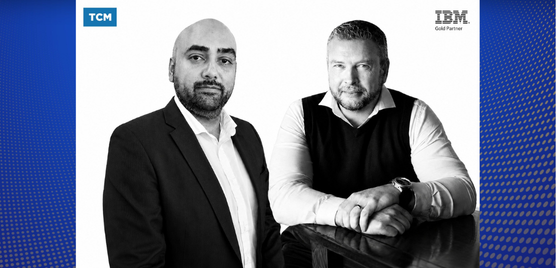
Taariq Hassim
Executive Manager
TCM
Morgan Malyon
Brand Sales Specialist
IBM
Enterprise storage is evolving as organisations scale AI initiatives, manage growing volumes of data, and respond to progressively persistent cyber threats. In this environment, storage infrastructure efficiency is no longer measured solely by capacity or performance, but by its ability to support resilience, trusted recovery, and operational continuity.
Future-ready storage platforms must be combined with structured resilience strategies. This prerequisite reflects a shift towards infrastructure designed to support AI-scale workloads while maintaining recoverability under pressure.
As ransomware threats become increasingly sophisticated, organisations are moving towards recovery-first data management strategies. The traditional assumptions around stable operating environments are giving way to models geared for disruption, where immutability, verified recovery states, and predictable restoration outcomes become critical requirements.
The focus is shifting from prevention alone to ensuring that recovery can happen quickly, consistently, and with confidence when disruption occurs. At the same time, AI and analytics workloads are reshaping the infrastructure expectations. These environments require high-throughput, low-latency access to large and distributed datasets. This places sustained pressure on storage systems to scale without compromising performance or governance.
As data estates expand, efficiency becomes equally important. Capabilities such as compression, deduplication, and intelligent data management play an important role in cost control and performance stability.
Traditional performance measures such as throughput and latency remain important, but recoverability is emerging as an equally important metric. An organisation’s infrastructure assessment includes ascertaining how effectively systems can detect a compromise, restore trusted data, and resume operations.
Automation is also becoming foundational to enterprise storage strategies. Provisioning, optimisation, workload balancing, and lifecycle management are increasingly driven by policy-based automation and can help organisations reduce operational complexity.
As enterprise environments continue to span on-premises, private cloud, and public cloud infrastructure, storage is evolving from a passive repository into an adaptive layer that supports strategic objectives, resilience, and trusted operations in the AI era.
TCM adopts a business-strategy-first approach in architecting storage infrastructure. It achieves this by using its comprehensive technical expertise and collaborating with the client to understand the operational concerns and risks of the business.
As a trusted IBM Business Partner, TCM leverages IBM’s expertise and resources to model storage environments that are built for real-world scenarios. IBM’s Flash System Storage solutions include AI-based ransomware detection to deliver security against potential threats with zero downtime data movement. TCM can assist organisations in navigating and rethinking outdated storage platforms and building hybrid infrastructure based on Resilience, and Recovery-First capabilities.
View the OMDIA by Informa TechTarget: Enabling Modern Cyber-Resilience with IBM Storage Report: Click Here
As the IDC Middle East CIO Summit marks its 20th edition, it stands as a milestone moment for the region’s technology leadership community. Over the past two decades, this summit has built a strong legacy of bringing together CIOs, business leaders, government officials, and industry visionaries to explore the trends, challenges, and opportunities shaping the future of enterprise technology in the Middle East.
From technology operator to business strategist and resilience leader: The CIO mandate is being reinvented. As AI becomes embedded in every business function, success is measured by enterprise value delivered, not technology deployed. The 2027 CIO Summit will explore how leaders are repositioning strategy, governance, and operating models to lead autonomous enterprises and build architectures fit for a sovereign, AI-driven future. CIOs lead two transformations at once – scaling AI while building sovereign architectures that their national agendas demand.
Meredith Whalen | IDC
Chief Research & Data Intelligence Officer
Meredith Whalen is IDC’s Chief Research & Data Intelligence Officer, responsible for the global organization of analysts and data scientists who create the technology intelligence the world’s leading vendors and enterprises run on. She sets IDC’s research agenda — shaping the methodologies, frameworks, and priorities that produce IDC’s market-defining insights.
Meredith has spent her career building research practices at IDC, pioneering the analytical frameworks that define how the industry measures and understands technology markets. She is also driving IDC’s transformation into the intelligence infrastructure layer of the AI economy, including the strategy behind IDC Quanta, IDC’s AI platform grounded in 60+ years of proprietary data and 15 billion data points.
A sought-after keynote speaker, Meredith regularly advises CIOs and senior technology executives on AI strategy, market trends, and what it takes to turn intelligence into competitive advantage.
Mohammad Hassan has served as executive director for the statistics and data science sector at the UAE’s Federal Competitiveness and Statistic Centre since 2015. His duties include driving coordination between the public and private sectors to achieve the goals of the national data and statistic strategy and support decision and policy making. He is also a member of the United Nations Committee of Experts on Big Data and Data Science for Official Statistics. Between 2012 and 2015, he served as director of corporate communication and external affairs for the Emirates Competitiveness Council within the Minister of State Office. He also previously served as public sector manager at Microsoft from 2007 to 2010, where he was focused on business development and increasing the efficiency of government services via digitalization, utilizing cutting-edge technology and worldwide best practices. His banking expertise spans 11 years, during which time he worked in financial services and information technology.
Yazeed Alotaibi serves as Deputy Minister for E-Health and Digital Transformation within Saudi Arabia’s Ministry of Health (MOH). He possesses vast experience in the areas of business and digital healthcare transformation, having delivered a number of key strategic transformational programs for the Ministry. For example, he led and directed the delivery and execution of the MOH Digital Strategies, the National Digital Health Blueprint, and the Digital Health Governance Frameworks. Over the course of his career, he has led multiple functions within the ehealth and digital transformation deputyship, such as the Office of Strategy Management, the Enterprise Architect Function, and the Digital Program Management Office.
Mr. Almulla has an extensive experience in the field of I.T. for over 25 years. He has received Bachelor of Science from The University of Arizona in Computer Engineering in the year 1987 and completed his Masters in Business Administration (MBA) from University of New England, Australia in the year 1993. Additionally, Mr. Almulla has completed the “Program for Executive Development” from International Institute for Management Development (IMD). Mr. Almulla has been working in all the areas in Information Technology department such as Application Development, Information Security, Architecture Designing and Networking, Process Control, etc. He started his career as a Programmer in 1988 in Dubai Aluminium Company Limited, and is currently Chief Technology Officer, Emirates Water and Electricity Co..
Eng. Huda Ahmed Mohsen , Chief of Information Technology at the Ministry of Information, leading the digital transformation and modernization of the ministry’s IT ecosystem. With extensive expertise in upgrading IT infrastructure, enhancing cybersecurity frameworks, and enabling advanced e-government services, she has successfully directed numerous strategic projects across all information technology sectors. Her leadership focuses on driving innovation, strengthening digital governance, and empowering the public sector through secure and efficient technological solutions.
Essa serves as Chief Technology Officer at Ooredoo Kuwait, where they lead strategic planning, development, and implementation of cutting-edge technologies to drive innovation and enhance the company’s telecommunication infrastructure. With 20 years of experience in the telecom industry, Essa has a proven record in managing large-scale network deployments, 5G rollouts, and the integration of next-generation technologies such as IoT and AI. Previous to their role as CTO of Ooredoo Kuwait, Essa was Director of Radio Access and Network Planning, where they successfully launched 5G, 4G, and 3G Networks, IP and Transmission works, including end-to-end management of Ooredoo Radio Network evolution, country-wide. They also played a key role in the continued development and execution of strategic objectives driven by Ooredoo Group, with its recent strategic announcement of establishing the largest Tower Company in the MENA region, which feeds the demand for environmentally friendly solutions and sustainability. Moreover, Customer Experience was at the heart of their strategies deployed for Network Anomaly Detection using Artificial Intelligence and Machine Learning for critical use cases, to deliver seamless performance on all application levels.
Mounir Abdel-Moujoud serves as executive director of group technology at Aldar. He is a visionary technology executive with over 20 years of global experience leading transformation across industries, including real estate, pharmaceuticals, FMCG, and defense. Recognized for his ability to translate complex challenges into actionable strategies, Mounir has played a pivotal role in reshaping how organizations operate, grow, and innovate in today’s digital economy. He brings a unique blend of strategic foresight, operational rigor, and human-centric leadership — driving change not just through systems and structures, but through people and purpose. His career has been defined by helping organizations stay ahead of disruption while building the next generation of leaders and capabilities. Mounir is also an active speaker and advisor on topics ranging from digital transformation to organizational agility and tech-enabled business reinvention.
Thuraya Al-Harthi is a senior Omani leader with over 15 years of experience driving digital transformation, innovation, and AI adoption across the public sector. As Director of the Government Unified Portal (gov.om) at the Ministry of Transport, Communications and Information Technology (MTCIT), she leads national efforts to advance Oman Vision 2040 through smarter, more inclusive, and citizen-centric digital services.
She worked as a Government Fellow with the United Nations University (UNU-EGOV) in Portugal, contributing to global research and policy dialogue on digital government, and as a Digital Innovation Mentor in the Future Women City initiative, empowering young women to become leaders in technology and public service.
A board member in several local and international organizations and a graduate of the Future Government Leaders Program (UAE), Thuraya is also an award-winning global speaker recognized for her advocacy in women and youth empowerment, AI innovation, and human-centered digital governance — inspiring a new generation to shape the future of smart, connected nations.
Jayesh Maganlal currently serves as group chief information and digital officer (GCIDO) at ROSHN Real Estate, where he drives the company’s digital transformation and innovation agenda. With more than 22 years of experience leading technology and business transformations across various industries in global multinationals, as well as regional industries in the Middle East, Southeast Asia, and Oceania, Jayesh is a highly accomplished executive. Before joining ROSHN Real Estate, he held several leadership positions in the region, including CIO at Damac, Majid Al Futtaim Properties, and a government-owned budget airline in Dubai. He has a proven track record of delivering successful technology and business initiatives that result in significant cost savings, revenue growth, and improved customer experiences. With extensive experience in solving various business challenges across all technology areas in diversified industries, Jayesh is highly adept at grasping complexity and driving simplicity. He has a win-win mindset and excels at building profitable long-term relationships while helping companies grow. As a digital evangelist, Jayesh champions the use of data and technology practices to instil a digital mindset from the top down.
Manoj Bhojwani serves as global CIO at Abu Dhabi Islamic Bank, where he leads technology transformation, business digitization, and innovation. He is a highly experienced technology executive with over 30 years in digital, technology, and organizational transformation. He has held prominent roles at Oracle, JP Morgan Chase, Credit Suisse, and HSBC, maintaining a strong focus on the wealth management sector. Notably, he spearheaded the creation of Asia’s first digital private bank. As global CIO of wealth and private banking at HSBC, he drove a global technology transformation, prioritizing a cloud-first approach to modernize platforms across client segments. Known for championing diversity, equity, and inclusion, he is committed to fostering an inclusive culture within the organizations he serves.
Srinivasan Sampath is the CIO of First Abu Dhabi Bank (FAB). He is responsible for driving FAB’s technology and transformation strategy and preparing for the next generation of digital banking services. He has more than 25 years of experience in the banking industry and has delivered several large integration programs in multiple regions. He specializes in creating business value, bolstering employee engagement, and strengthening business relationships. In recent years, he has been involved in leading digitization programs covering end-to-end digital customer experience and process automation. In addition, he has been a chairperson and member of several advisory boards. He was involved in implementing the first cross-border blockchain remittance transaction between two major banks.
Eng. Sultanah Aljaser has more than 18 years of expertise in both public and private sector. She is the CIO of Princess Norah University and a chairwoman of various committees such as the Qiyas committee, where in 2022 PNU Surpassing expectations by increasing the university’s DGA Qiyas score from 69% to 89.5%, propelling PNU to second in its group and 11th nationally. She works as an IT advisor in a variety of fields.
Recently, Sultanah managed to win multiple awards, moreover she recognized the First Saudi’s Woman to receive CIO50 Awards at the IDC Saudi Arabia CIO summit 2024.
Recognized internationally for excellence in technology leadership as the recipient of the Harvard Business Council 2025 Women Leader Gold Award and the Harvard Business Council 2025 Information Technology Gold Award presented by the Harvard Business Council.
Dr. Akram Nour, PhD, is recognized as one of Saudi Arabia’s most influential digital leaders, spearheading transformative initiatives across both public and private sectors. As chief digital officer at the Misk Foundation, he is responsible for leading the digital transformation across the Misk ecosystem, which includes key projects such as iLmi, Misk Art, and the Smart City project in Misk City. His efforts focus on integrating cutting-edge technologies like artificial intelligence and data intelligence into the kingdom’s digital strategy, empowering youth and fostering innovation in line with Saudi Vision 2030. Dr. Nour’s professional journey spans academia, entrepreneurship, and executive leadership. His diverse experiences include co-founding start-ups and leading national digital programs, showcasing his ability to turn visionary ideas into impactful and sustainable transformations. He continues to inspire a new generation of leaders, demonstrating his commitment to cultivating a digital-first culture that enhances innovation and societal advancement within the kingdom.
Yousef Al Mazeedi is the Director of Information & Communications Technology at the Capital Markets Authority of Kuwait, with over 20 years of experience in information technology and more than a decade in executive leadership roles.
He leads large-scale digital transformation initiatives, focusing on IT governance, cybersecurity and information security, enterprise systems, AI and data analytics, and strategic technology planning. Throughout his career, he has successfully led and overseen the implementation of key regulatory and enterprise platforms, including ERP and XBRL systems, enabling enhanced regulatory oversight, operational efficiency, and data-driven decision-making.
Yousef has also played a pivotal role in establishing and advancing institutional governance frameworks, leading multi-disciplinary teams in the successful implementation of international standards such as ISO 27001, ISO 22301, and ISO 20000. He actively contributes to strategic and governance committees, including digital transformation, information security, business continuity, and XBRL steering committees.
He holds several professional certifications, including Senior Lead Implementer for ISO 27001 and ISO 22301, as well as CCNP and CCVP.
Ramez AlFayez is an award-winning C-Suite, board-certified executive, and technology-driven transformation leader with more than 23 years of experience across government, semi-government, the PIF ecosystem, and the private sector. He brings a strong combination of strategic leadership, commercial acumen, governance discipline, and digital innovation, with a proven ability to develop business and operating models that enable organizations to transform, scale, and improve performance.
As Chief Information and Technology Officer at King Abdullah Financial District (KAFD), Ramez has led large-scale transformation and digital initiatives while working closely with leading global consulting and technology firms, including Google, Microsoft, Huawei, Orange, BCG, Deloitte, EY, and others. His ability to align internal teams, executive stakeholders, and external advisors has enabled organizations to move from strategy formulation to practical execution, delivering new digital products, cost efficiencies, revenue opportunities, and stronger governance.
Throughout his career, Ramez has transformed technology functions from operational support units into value-creating business platforms. He has helped organizations reduce operating costs through process automation, service digitization, operating model redesign, and digital channel adoption, while creating new revenue streams from digital infrastructure, data platforms, smart city capabilities, and innovative digital services. His work has positioned technology as a strategic enabler of service excellence, operational efficiency, and business growth.
Ramez has developed and supported commercial models that generated significant value, including digital and technology service revenues exceeding SAR 200M annually at Riyadh Airports, and real estate smart infrastructure opportunities with an IRR above 24% and NPV of SAR 315M. He has also overseen budgets exceeding SAR 1B and contributed to the digital transformation of multi-billion holding company environments with more than 20 subsidiaries.
Beyond executive management, Ramez serves as a board member at SURE Global Tech, a listed company, and as Chairman of its Nomination and Remuneration Committee. He also contributes to high-level digital transformation, smart city, risk, strategy, and innovation committees, including PIF and KAFD initiatives, placing him at the intersection of corporate governance, public-private partnerships, smart urban development, and national digital transformation aligned with Saudi Vision 2030.
A speaker, panelist, writer, investor, and mentor, Ramez shares insights on leadership, governance, digital transformation, and innovation. With executive education from Harvard Business School and IMD, DBA studies at Hult, and board readiness credentials from the Institute of Directors, he brings boardroom maturity, commercial discipline, and transformation leadership to executive and board-level roles.
Dr. David Millan is a seasoned Digital & AI executive with extensive international experience in transforming complex organisations, driving disruptive innovation, and building high-performing teams. His career spans leadership across Digital, Data, and Artificial Intelligence—consistently delivering measurable business impact.
He currently serves as Chief Data & AI Officer at the Department of Culture and Tourism – Abu Dhabi, where he leads the organisation’s Digital & AI transformation. Previously, he was Chief Data & Analytics Officer at B2Holding in the Financial Services sector, and before that held senior Data and AI leadership roles at renowned global companies including Unilever, Vodafone, Telefónica, and Etihad Etisalat.
Dr. David is also the author of a book, holder of several patents, and author of multiple scientific publications in Artificial Intelligence. He is a frequent speaker and panellist at international conferences, and brings a wealth of academic experience as a lecturer in several universities and business schools around the world.
Engineer Mohannad AlSalmi is the Chief Information Officer with 30 years of experience in Information Technology and Digital Transformation. Throughout his career, he has held key roles in various organizations, where he has been instrumental in developing and leading digital strategies, roadmaps, and projects.
In 2022, Mohannad was recognized as one of the top 10 CIOs in the Middle East by IDC MEA.
He is also a Gallup Certified Strengths Coach and has earned a Certified Diploma in Leadership and Management from the International Air Transport Association (IATA).”
Fatma Al Sowaidi is the Director of Information Technology at the Qatar Financial Centre Regulatory Authority (QFCRA), where she leads the strategic development and transformation of the organization’s technology landscape. With over 18 years of experience in the IT sector, she has been instrumental in driving innovation, operational excellence, and the adoption of next‑generation digital capabilities within the regulatory environment.
Fatma oversees enterprise-wide technology strategy, major digital transformation initiatives, and the implementation of cloud, network, cybersecurity, business continuity, and disaster recovery programs. Under her leadership, the QFCRA became the first government entity in Qatar to operate fully on the cloud—an achievement that significantly strengthened operational efficiency, resilience, and alignment with the country’s broader digital agenda.
She also leads the development and execution of the QFCRA’s Artificial Intelligence strategy, positioning the authority as a regional benchmark for regulatory modernization. Her vision centers on leveraging AI to enhance supervisory effectiveness, streamline operations, and elevate regulatory excellence.
Based in Dubai, Giovanni Everduin serves as chief strategy and innovation officer at Commercial Bank International. He is also the bank’s head of ventures. He is a Harvard Business School alum with a creative, entrepreneurial background, who is passionate about the intersection of tech and impact, particularly around leveraging new technologies like AI and blockchain to support global and local sustainability goals. Giovanni also serves as an advisor and mentor to several start-ups and founders within the fintech and AI space, and currently sits on the boards of Zypl, a Series-A AI and synthetic data start-up; Tekle Holographics, a leading geospatial holographics company; Luna PR, a fintech-, AI-, and web3-focused PR firm; and Tumar, the fund between the World Bank and the government of Kazakhstan. He has over 20 years of experience driving change and delivering strategic benefits to organizations across the globe.

As group head of Mashreq’s Technology, Transformation, and Information Group, Mohamed Abdel Razek leads Mashreq’s technology organization and drives the bank’s transformation in terms of digital services, resilience, and superior client experience. He is accountable for the continual adoption of new and emerging technologies, ensuring customer service excellence, and enabling seamless collaboration with the bank’s external partners. As a seasoned technology professional with over 30 years of experience, Mohamed has led group and regional technology functions across several large corporations. Most recently, he served as chief technology, transformation, and operations officer for Africa and the Middle East at Standard Chartered Bank. He was previously associated with British American Tobacco, from 2007 to 2015, where he last held the role of global head of technology services.
Saket Saith is a seasoned professional at the forefront of digital transformation, specializing in the convergence of strategy and execution. Currently serving as the group chief technology and data officer at RAKBANK, Saket has over 25 years of experience in leading technology and data initiatives, ensuring the delivery of innovative and customer-centric solutions. Prior to this, he held pivotal roles, including chief technology officer, at Barclays in the United Kingdom, and various leadership positions at DBS Bank in Singapore, where he played a crucial role in digital transformation, enterprise architecture, and IT strategy. He is passionate about emerging technologies such as artificial intelligence, blockchain, cloud computing, and big data, and how they can be leveraged to create value for customers, businesses, and society at large. Saket’s career spans the globe, contributing significantly to the growth and innovation of renowned financial and technology organizations. His expertise encompasses enterprise architecture, IT business strategy, software engineering, and operating models.
Hans Peter Buse serves as the Vice President Digital & IT of EDGE Group. He focuses on leading the digital transformation of the group, establishing a unified data foundation, and integrating artificial intelligence into key business processes. His work is centered on leveraging technology to deliver measurable business value. Before joining EDGE Group, he was an Executive Partner for Enterprise Strategy – Technology and Data in IBM Consulting and a Director in Kearney’s Digital Transformation and Restructuring practices. His leadership experience includes serving as the Head of Group E&P IT at MOL Group, the Group IT Manager of E.ON Exploration & Production, and the Vice President of IT for E.ON Russia. He began his professional career in the Strategic IT Effectiveness practice at Accenture.
Eng. Nayef Bardeesi serves as the Deputy Mayor for Digital Transformation at the Holy Makkah Municipality, where he leads strategic initiatives to accelerate digital transformation, modernize public services, and advance digital excellence in alignment with Saudi Arabia’s Vision 2030. With more than 17 years of leadership experience spanning Strategy, Digital Transformation, Technology, and Operations, he has held senior roles across the Oil & Gas, Banking, Tourism, and Government sectors.
In his current role, Eng. Nayef is focused on leveraging emerging technologies, driving innovation, enhancing operational efficiency, and delivering world-class digital solutions that improve municipal services and citizen experiences. His leadership portfolio and experience also encompass Cybersecurity, Technology Operations, Procurement, and Facility Management, giving him a broad perspective on enterprise transformation and organizational performance.
He is recognized for his strategic vision, leadership versatility, and ability to lead complex, cross-functional transformation programs. His areas of passion and expertise include Digital Government, Artificial Intelligence, Smart Cities, Enterprise Transformation, Corporate Strategy, and Organizational Agility. He is particularly committed to leveraging technology and innovation to build more connected, intelligent, and sustainable cities and to advancing Saudi Arabia’s digital transformation agenda.
Eng. Meshal is a veteran in Information Security Management and Technology Transformation, serving as both the Chief AI Officer overseeing AI adoption across the Ministry of Finance, and driving digital transformation and cybersecurity initiatives across the Ministry and Federal Government. Under his leadership, the Ministry harnesses the latest emerging technologies, including robotics, advanced analytics, and artificial intelligence, in line with the UAE’s Vision & Strategies.
Previously, Eng. Meshal managed Information Security and technical operations at Dubai Holding Group and its entities. He was also a member of the UAE mGovernment Committee, spearheading the UAE Federal Government’s transformation into a Smart Government.
He is recognized as a leader in government innovation, having helped establish the Federal Government’s first digital innovation center, which fosters a culture of forward-thinking solutions and creative problem-solving across government entities.
Throughout his extensive career in leading cybersecurity incident handling for the UAE government and other sectors, Eng. Meshal’s deep expertise in information security and technology has enabled him to make significant contributions in this field. His responsibilities have included heading the UAE Computer Emergency Response Team (aeCERT), where he led cybersecurity incident response, digital forensics initiatives, and awareness campaigns across the UAE government.
Having started his career with ETISALAT as an Internet Security Engineer, Eng. Meshal holds a Bachelor’s degree in Communications Engineering and a Master’s degree in Information Security from Khalifa University (KU).
Antonietta Mastroianni joined e& in 2026 as the Chief Information Officer (CIO) of e& UAE, where she leads enterprise-wide IT strategy and transformation, focusing on operational excellence, scalability, and business enablement.
With over 25 years of international leadership experience in telecommunications, IT, and large-scale transformation, she is known for her ability to bridge technology and business. Throughout her career, Antonietta has led complex, multi-year transformation programmes, managed large global teams, and delivered significant improvements in efficiency, operational performance, and organisational effectiveness.
Prior to joining e&, Antonietta held C-level and Group CIO roles at major European organisations including Proximus Group, TDC Group, and Sunrise Communications, where she was Head of IT and Digital. In parallel, she has played an active role in shaping industry thinking through board and advisory positions, having served as Board and Council Member at ETIS, Board Member and VC Finance at Gaia-X, and Board Observer at Lumine Group (Canada). Through these roles, she contributes to strategic oversight, technology governance, and long-term value creation.
Antonietta’s leadership has been widely recognised across the industry. Her honours include being named DataNews CIO of the Year in 2025, receiving the Swiss CxO Forum Award in 2024, and being awarded Telco Woman of the Year by Network X in 2022. She was also recognised as Telco CxO of the Year at the 5G World Series in 2021 and was a nominee for Danish CIO of the Year in 2020.
Antonietta holds a Master of Science in Computer and Automation Engineering from the Università di Siena and is a member of Italy’s Order of the Engineers.
Grand Hyatt Dubai Convention Centre
Sheikh Rashid Rd – Umm Hurair Second – Dubai
Celebrating its landmark 20th edition, the Middle East CIO Summit returns to the Grand Hyatt Dubai on 24th–25th March 2027. Held across the Baniyas and Al Ameera Ballrooms, the summit brings together the region’s top technology leaders for two days of insight, innovation, and networking.
How organisations can embed trust, governance, and resilience into AI systems to ensure they operate reliably, transparently, and at scale in the agentic economy.
Agentic AI will enhance the capabilities of more than 40% of enterprise applications by 2027. How IT and business leaders are governing, costing and scaling the shift.
The CIO is now the chief orchestrator of the intelligent enterprise. The ten IDC predictions defining the agentic, quantum-aware and edge-intelligent enterprise.