AI & Data Summit
Das volle Potenzial von Daten und KI entfalten

Intelligente Plattformen mit echtem Mehrwert gestalten
Der IDC AI and Data Summit ist die wichtigste Veranstaltung für Führungskräfte aus den Bereichen Technologie und Wirtschaft, die künstliche Intelligenz und Datenstrategien in der gesamten Region vorantreiben. Diese ganztägige Veranstaltung richtet sich an CDOs, Datenverantwortliche sowie Führungskräfte aus den Bereichen KI und Innovation und bietet strategische Einblicke und praktische Rahmenbedingungen, die auf die Prioritäten Deutschlands abgestimmt sind: Datenhoheit, Einführung industrieller KI, ethische Governance und Compliance-by-Design.
Deutschland steht an der Spitze der digitalen Transformation in Europa und verbindet erstklassiges industrielles Know-how mit einem starken Bekenntnis zu Datenschutz, Transparenz und Vertrauen. Doch während Unternehmen ihre Investitionen in KI beschleunigen, stehen sie vor wachsenden Herausforderungen: der Sicherstellung der Übereinstimmung mit dem EU-KI-Gesetz, der Modernisierung veralteter Dateninfrastrukturen und der Überwindung der Datenfragmentierung über Bundes- und Sektorgrenzen hinweg.
Agenda
IDC-Untersuchungen zeigen, dass 29 % der europäischen Unternehmen die Datenqualität und -verfügbarkeit als größtes Hindernis für die Realisierung des Potenzials von KI ansehen, während über 90 % Daten extern weitergeben, aber nur 30 % dies strategisch tun. In Deutschland unterstreichen diese Lücken die Dringlichkeit der Einrichtung vertrauenswürdiger Datenräume, föderierter Datenökosysteme und einer verantwortungsvollen KI-Governance. Durch Keynotes, Podiumsdiskussionen und Fachgespräche erhalten die Teilnehmer die notwendigen Einblicke und Werkzeuge, um KI und Daten zur Grundlage für Deutschlands nächste Welle von Innovation, Resilienz und Wettbewerbsvorteilen zu machen.

Prognose 2026
Bis 2027 werden Unternehmen, die Tools und Prozesse zur Bewertung und Überwachung von KI einsetzen, das Vertrauen haben, KI-Anwendungen doppelt so schnell einzuführen wie Unternehmen, die dies nicht tun.
Kernthemen
Die Neuerfindung des Datenwerts im Zeitalter der KI
Unternehmen verlagern ihren Fokus von der Frage „Wie können wir KI einsetzen?“ hin zu „Wie können wir Daten für den KI-Mehrwert nutzen?“ und integrieren dabei Datenreife-Praktiken wie Katalogisierung, Herkunftsnachweis und Beobachtbarkeit, um die Modellleistung und die geschäftlichen Auswirkungen zu steigern.
Skalierung von KI: Vom Pilotprojekt zum Einsatz im Unternehmen
Über das Experimentieren hinaus schaffen Führungskräfte robuste MLOps-Pipelines, Governance-Frameworks und Veränderungsstrategien, um KI nachhaltig und zuverlässig in großem Maßstab in die Kerngeschäftsprozesse zu integrieren.
Vertrauen, Transparenz und verantwortungsvolle KI
Die Einbettung von Fairness, Bias-Minderung, Überprüfbarkeit und Erklärbarkeit über den gesamten KI-Lebenszyklus hinweg trägt dazu bei, das Vertrauen der Nutzer, die Einhaltung gesetzlicher Vorschriften und das langfristige Vertrauen in intelligente Systeme zu stärken.
Datenhoheit, Governance und Interoperabilität
Um Datenhoheit, regulatorische Auflagen und grenzüberschreitende Datenflüsse in Einklang zu bringen, sind hybride Cloud-Strategien, gemeinsame Governance-Modelle und interoperable Architekturen erforderlich, die den geschäftlichen Anforderungen gerecht werden.
Generative und agentische KI: Die nächste Grenze
Da generative und agentenbasierte Modelle über die reine Unterstützung hinausgehen, konzentrieren sich Führungskräfte auf Leitplanken, Kosten-Risiko-Abwägungen, die Gestaltung hybrider Modelle und die Abstimmung mit bestehenden KI-Systemen.
Menschen, Kultur und KI-Bereitschaft
Erfolg erfordert die Vorbereitung von Teams mit KI-Kenntnissen, Umschulungen, funktionsübergreifender Zusammenarbeit und einer Führung, die Widerstände überwindet und datengesteuerte Gewohnheiten in die täglichen Arbeitsabläufe integriert.
Prognose 2026
Bis 2028 wird es mindestens 100 Unternehmen geben, die überwiegend auf KI basieren, weniger als ein Dutzend Mitarbeiter beschäftigen und einen Umsatz von über 1 Milliarde US-Dollar erzielen.
Advisory Board

Mercedes Pantoja
Head of Global Data &AI
Siemens Healthineers
Read Bio
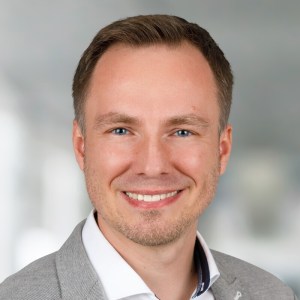
Dr. Axel Schulz
Head of AI and Data Intelligence Center
DB Fernverkehr
Read Bio
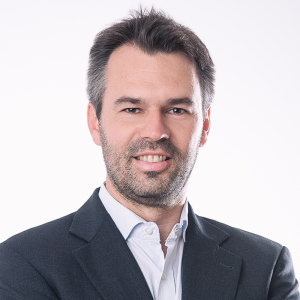
Dr. Michael Schuhmacher
Head of Artificial Intelligence
Südzucker Group
Read Bio
Mercedes Pantoja
Mercedes Pantoja, Head of Global Data &AI, is a seasoned global IT executive with over two decades of experience. Specializing in driving innovation and growth through Data and AI, Mercedes Pantoja has successfully led organizations of all sizes in transforming strategy into actionable impact. With a proven record of designing sustainable enterprise solutions and pioneering products, Mercedes Pantoja combines deep technical expertise with clear communication, making complex ideas accessible at all levels. They are known for fostering collaborative, diverse teams that unlock potential and deliver tangible business value.
Event Sessions
One Day Event 11:15 am
End User Keynote: RRR AI: Ready, Responsible and ROI Driven
Artificial Intelligence has moved from experimentation to boardroom priority. Yet many organizations remain stuck between promising pilots and scalable impact. The real challenge is not building AI models — it is building AI that organizations are ready for, that stakeholders trust, and that delivers measurable business value.
The session explores – under an executive perspective – how organizations can:
- Build the data, technology, and workforce foundations required for AI at scale
- Embed trust, governance, and compliance to ensure responsible AI adoption
- Shift from experimentation to AI investments that deliver measurable business impact
Drawing on real enterprise transformation experiences, the keynote provides practical insights for leaders seeking to move beyond AI hype toward trusted, scalable, and value-creating AI.
Attendees will leave with a clear perspective on how to turn AI ambition into sustainable transformation power.
Dr. Axel Schulz
Dr. Axel Schulz has been with DB Fernverkehr since 2015, where he has held various roles related to business intelligence, data and AI strategy. Since 2019, he has been responsible for the overall AI strategy and AI governance of long-distance transport and has established a competence centre for AI for this purpose. The competence centre deals with topics such as AI standardisation, portfolio management and the development of AI systems. In recent years, this has enabled AI systems to be put into operation that, for example, help to improve the customer experience, optimise revenue management and make operations more stable.
Event Sessions
One Day Event 1:30 pm
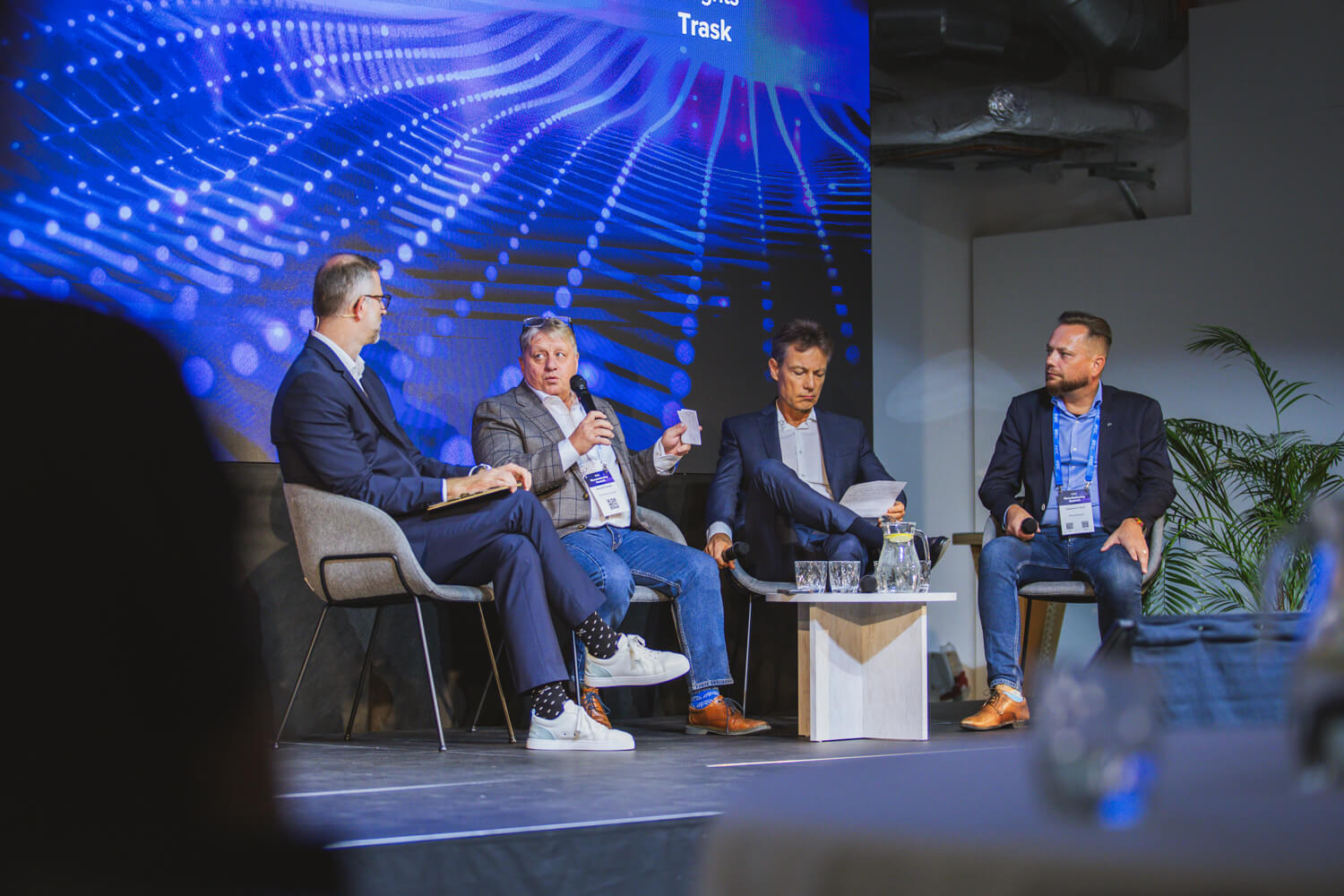
Panel Discussion: Scalable Application of Agentic AI – Managing Transformation and Innovation”
One Day Event 4:00 pm
Closing End User Keynote: Reisende verstehen mit künstlicher Intelligenz – und welche Rolle KI-Agenten dabei spielen
Im Fernverkehr werden jedes Jahr 8 Millionen Kundenfeedbacks aus verschiedensten Touch Points erfasst. Durch den Einsatz von KI-Modellen werden diese Informationen in Echtzeit verarbeitet und den relevanten Einheiten wie den Zugpersonalen zur Verfügung gestellt und somit die Kundenzufriedenheit und Customer Experience gesteigert.
Dr. Michael Schuhmacher
Dr Michael Schuhmacher is Head of Artificial Intelligence at the Südzucker Group (Digitalisation and IT), where he drives forward the strategic development and programme management of AI throughout the company.
His work focuses on identifying high-impact use cases based on fundamental AI enablement and building a scalable AI programme through structured project management, internal competence building and targeted innovation insourcing. Before joining Südzucker, he held various positions in the Data & AI division at BASF, where he developed data-driven products and built cross-functional teams. He holds a PhD in AI-driven search technologies and a degree in industrial engineering.
Event Sessions
One Day Event 1:30 pm
Panel Discussion: Scalable Application of Agentic AI – Managing Transformation and Innovation”
One Day Event 9:30 am
End User Keynote: From Zero to Impact? Reflections on Structuring AI Programs for Value
Der Vortrag präsentiert das 2025 gestartete KI-Transformationsprogramm der Südzucker Group und zeigt auf, wie sich eine gemeinsame, aber anpassungsfähige KI-Technologiestrategie gestalten lässt. Im Mittelpunkt steht das Ziel, Mitarbeitende im Umgang mit KI breit zu befähigen und zugleich die Effizienz in Produktion, Betrieb und Geschäftsprozessen gezielt zu steigern – mit unterschiedlichen Technologien (nicht nur GenAI) und Bereitstellungsmodellen, in einer sich schnell entwickelnden Technologiewelt.
Unsere Referenten

Neil Ward-Dutton
VP Global Enterprise AI and Agentic AI Strategies
IDC
Read Bio

Matthias Goetz
Director, Cloud Platform & Power DACH
IBM
Read Bio

Chris Newe
Principal Consultant
ROCHE
Read Bio
Daniel Steinlandt
Strategischer Leiter IT
Polizei Hamburg
Read Bio
Dr. Pankaj Kumar Mishra
Global Head of AI Product
Metro.digital
Read Bio

Nikola Aschoff
Head of Data Engineering, AI & Simulation
Porsche Engineering GmbH
Read Bio

Carlos Diaz
Head of Data Analytics & AI
Lufthansa Group Business Service
Read Bio

Leon Lukas
Leiter KI Competence Center
Landeshauptstadt München
Read Bio

Mike Abé
Head of Data Strategy and AI
Dussmann Group
Read Bio

Anja Lange
Moderator
Read Bio
Dr. Michael Schuhmacher
Head of Artificial Intelligence
Südzucker Group
Read Bio

Dr. Steffen Heidrich
Head of Core & AI Application Services
Commerz Real AG
Read Bio

Giovanni Cervellati
Research Manager, Data & AI
IDC Europe
Read Bio
Dr. Axel Schulz
Head of AI and Data Intelligence Center
DB Fernverkehr
Read Bio
Neil Ward-Dutton
Event Sessions
One Day Event 9:10 am
IDC Opening Keynote: Enterprise AI in 2026: Time to Show Value
IDC’s research shows that although implementation of AI is now widespread across Europe, most organizations have implemented “shallow AI”, and the results (if there are any) are limited to modest improvements in personal productivity for workers and managers. Many senior business leaders, though, expect that AI will enable real business transformation – and so they expect to see measurable business value that significantly affects one or more KPIs.
In this presentation Neil Ward-Dutton will share where organizations are today, what is holding them back, and what steps some organizations are taking to deliver the results that senior leaders are looking for.
Matthias Goetz
Event Sessions
One Day Event 9:50 am
Host Keynote: Client Zero – Wie IBM seine eigene KI Transformation skaliert
IBM nutzt sich selbst als „Client Zero“: Neue KI , Automations und Hybrid Cloud Fähigkeiten werden zuerst intern ausgerollt, gemessen und verbessert, bevor sie Kunden erreichen. In dieser Thought Leadership Keynote zeigen wir, wie aus einzelnen Use Cases ein unternehmensweiter Ansatz wurde – mit klarer Governance, Daten /Plattform Entscheidungen und einem konsequenten Fokus auf Produktivität. Ergebnis: messbarer Impact in Kernfunktionen wie HR, IT Support und operativen Prozessen – als Blueprint für skalierbare Enterprise AI.
One Day Event 2:00 pm
Host Keynote: Hybrid by Design – Effiziente Enterprise AI mit Small Language Models
IBM verfolgt einen bewusst anderen Ansatz für Enterprise AI: Hybrid Infrastructure statt reiner Cloud Skalierung und gezielter Einsatz von Small Language Models statt ausschließlich großer Foundation Models. In dieser Keynote zeigen wir, wie KI Workloads dort laufen, wo Daten entstehen – performant, sicher und kostenoptimiert. Der Fokus liegt auf Effizienz, Governance und Offenheit: von Hybrid Cloud Architekturen über modell agnostische Orchestrierung bis zur klaren Differenzierung gegenüber dem Hyperscaler Ansatz “one size fits all”.
One Day Event 4:20 pm
Zusammenfassung & Abschluss
Chris Newe
Chris arbeitet seit 2019 bei ROCHE, wo er zunächst als Platform Experience Lead tätig war. In dieser Funktion führte er die OutSystems Plattform auf Unternehmensebene ein und etablierte Governance-Modelle, skalierbare Architekturen und wiederverwendbare Komponenten, die die Entwicklungspraktiken standardisierten und die Lieferteams weltweit beschleunigten.
Im Jahr 2023 wechselte er in die Rolle des Principal OutSystems Engineer und leitete die Entwicklung einer internen, von ChatGPT inspirierten Lösung, die auf OutSystems basiert. Die Lösung wurde auf mehr als 12.000 tägliche Nutzer skaliert und erhielt 2025 den AI Achievement Award bei der OutSystems One Konferenz in Lissabon.
Als aktiver Fürsprecher von OutSystems wurde er kürzlich als OutSystems MVP ausgezeichnet und gilt als gefragter Experte, insbesondere in Deutschland und der DACH-Region.
Event Sessions
One Day Event 10:05 am
Strategic Session: After Code – The Enterprise in the age of autonomous Agents
Chris Newe (ROCHE) teilt mit uns seinen Blick auf KI und die Zukunft der App-Entwicklung.
Daniel Steinlandt
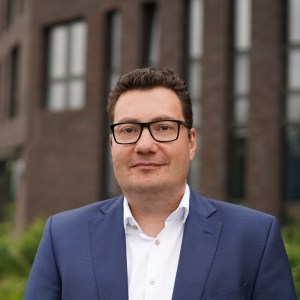
Daniel Steinlandt studierte Wirtschaftsinformatik an der Nordakademie Elmshorn. Nach Stationen u. a. bei SAP und q.beyond verantwortet er seit Oktober 2021 als Strategischer IT Leiter die Modernisierung der IT-Landschaft der Polizei Hamburg. Unter seiner Leitung wurden u. a. ITSM/ITIL-Prozesse eingeführt, Entwicklungskapazitäten in die Cloud verlagert und KI-Projekte für Video- und Gefahrenanalyse erfolgreich durchgeführt. Er war Finalist bei „CIO des Jahres 2024“ (Public Sector) und gilt als Treiber von Kultur-, Prozess- und Technologie¬wandel in der Polizei.
Event Sessions
One Day Event 10:20 am
End User Keynote: Künstliche Intelligenz im Spannungsfeld zwischen Innovation, Daten und Vertrauen
Künstliche Intelligenz und moderne Datenanalyse eröffnen neue Möglichkeiten für Polizei und Sicherheitsbehörden. Die Polizei Hamburg zeigt, wie technologische Innovation verantwortungsvoll eingesetzt werden kann – im Einklang mit Datenschutz, regulatorischen Vorgaben und dem Anspruch digitaler Souveränität. Ein konkretes Praxisbeispiel macht deutlich, wie moderne Technologien die Handlungsfähigkeit der Polizei auch in digitalen Räumen stärken und zugleich Vertrauen sichern.
Dr. Pankaj Kumar Mishra
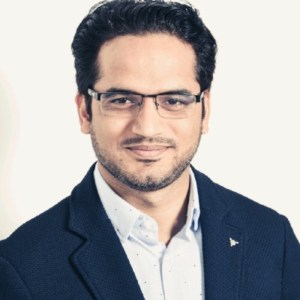
I am currently working as Head of Data Science at DISH Digital Solutions (A Metro Company), Duesseldorf, Germany. I have a PhD in Physics from Hamburg University, Germany. I bring several years of experience working with Schaeffler and Fujikura Technology in different data science and AI roles. In my journey from Data Scientist to leadership, I focused mainly on creating business impact by leveraging the potential of Data Science and AI.
Event Sessions
One Day Event 11:55 am
End User Keynote: Next-Gen AI Agents: Transforming the way we think, work and communicate
Artificial Intelligence agents are rapidly evolving from theoretical concepts into practical tools that drive innovation across industries. AI Agents are increasing work efficiency and productivity across the business units of a company. However, upskilling with AI Education is extremely important to achieve the true potential of AI Agents and achieve higher adaption rate. In this session, I will share firsthand experiences and insights on developing AI agent Hub within Dish to empower business units, automate workflows, and unlock new value for customers. I will share insights from Sales to customer support how business stream focussed AI Agents made Dish to be not just efficient but also cost-effective. We focussed on RoI driven AI transformation from day one, which is critical to gain the management trust. I will also address best practices for scaling AI agent solutions, challenges faced during implementation, and future trends that may shape the next generation of intelligent enterprise tools. Whether you are a developer, business leader, technologist or even a C-level management, you will come away with actionable knowledge and inspiration to leverage AI agents for transformative business outcomes
Nikola Aschoff
Nikola Aschoff verantwortet seit September 2024 bei der Porsche Engineering GmbH den Fachbereich Data Engineering und KI und steuert in dieser Rolle ein internationales Team von knapp 200 Mitarbeitern in Deutschland, Rumänien und Tschechien. Ihr Fokus liegt auf der Umsetzung Daten- und KI-gestützter Produkte sowie der Effizienzsteigerung entlang des gesamten Entwicklungsprozesses.
Als Führungspersönlichkeit mit über 25 Jahren Erfahrung in der IT- und Automobilindustrie war sie zuvor in verschiedenen Fach- und Führungsrollen bei Mercedes-Benz, Microsoft und HP tätig.
Dabei hat sie umfangreiche Expertise in den Bereichen Daten & KI, Digitalisierung sowie Produktmanagement gesammelt. Sie blickt auf eine fundierte Erfolgsbilanz in der gezielten Umsetzung technologischer Innovationen als Hebel für den Unternehmenserfolg und der digitalen Transformation von Organisationen zurück, wobei sie stets den Menschen in den Mittelpunkt ihrer Bemühungen stellt.
Event Sessions
One Day Event 3:40 pm
End User Keynote: KI jenseits des Hypes: Reale Prozesseffizienz entlang der Wertschöpfungskette
Daten und KI, insbesondere generative KI (GenAI), werden öffentlich als Game Changer für Effektivität und Effizienz propagiert. In der betrieblichen Realität vieler Unternehmen stellt sich jedoch zunehmend Ernüchterung ein: Die erhofften Effizienzgewinne bleiben aus – trotz erfolgreich durchlaufener Proof-of-Concepts.
Die Ursachen hierfür sind vielfältig. Dazu zählen unzureichende Datenqualität und -verfügbarkeit, hohe Prozessvarianz, komplexe und heterogene IT-Landschaften, restriktive oder überkomplexe IT-Governance-Strukturen sowie fehlendes Mindset und geringe Akzeptanz bei Mitarbeitenden.
Der Vortrag zeigt anhand konkreter Erfahrungen bei Porsche Engineering auf, wie ein unternehmensweites KI-Programm konzipiert und umgesetzt werden kann, welche Ergebnisse erreicht wurden und welche typischen Herausforderungen dabei auftreten. Ziel ist es, praxisnahe Erkenntnisse und Handlungsempfehlungen zu vermitteln, wie KI-Initiativen nachhaltig skaliert und entlang der Wertschöpfungskette wirksam eingesetzt werden können.
Carlos Diaz
Carlos Diaz is an experienced aviation expert with over 15 years of international experience in maintenance and engineering, airline operations and digital strategies. He has extensive expertise in optimising airline processes and applying modern data analytics and AI to improve various process landscapes and operational efficiency.
Event Sessions
One Day Event 2:35 pm
End User Keynote: Warum KI-Projekte im Unternehmen steckenbleiben: Was erfolgreiche Umsetzung wirklich verhindert
Die meisten KI-Projekte scheitern nicht an der Technik, sondern daran, dass das Unternehmen nicht bereit für die Umsetzung ist. Pilotprojekte lassen sich nicht ausrollen, wenn Fachbereiche keine Verantwortung übernehmen, Betriebsstrukturen fehlen, Daten verstreut sind und KI-Ergebnisse nicht in echte Arbeitsprozesse einfließen. Dieser Vortrag zeigt anhand der Erfahrung bei der Lufthansa Gruppe Business Services, wie Unternehmen von einzelnen Experimenten zu nutzbringenden KI-Fähigkeiten kommen – durch gezielte Arbeit an Organisation, Architektur und Verantwortlichkeiten.
Die wichtigsten Take Aways aus dem Vortrag sind:
- KI-Projekte scheitern meist nicht an der Technik, sondern an fehlender Vorbereitung im Unternehmen
- Häufige Probleme: Fachbereiche übernehmen keine Verantwortung, Betriebsstrukturen fehlen, Daten sind verstreut, keine Integration in Arbeitsprozesse
- Der Vortrag zeigt den Weg von Pilotprojekten zu skalierbaren KI-Fähigkeiten
- Fokus auf Organisation, Systemarchitektur und klare Verantwortlichkeiten
Leon Lukas
Leon Lukas has been team leader of the AI Competence Centre of the City of Munich for two years and has contributed significantly to the development and implementation of AI solutions within the city administration. Initially, he trained models and built systems himself, but now he is responsible for architecture and projects at it@m, the city’s IT service provider.
Event Sessions
One Day Event 11:35 am
End User Keynote: KI für smarte Bürgerdienste und Dokumentenverarbeitung
Der Vortrag bietet einen kurzen Überblick über die Anwendungsfälle von KI innerhalb der Stadtverwaltung München, wie die automatisierte Bearbeitung von Bürgeranfragen und die Optimierung von Verwaltungsprozessen – sowohl innerhalb der Verwaltung als auch im Bürgerkontakt. Zudem wird die Architektur der KI-Systeme und die zugrunde liegenden Technologien präsentiert.
Mike Abé
Mike Abé has been responsible for all AI-related matters at the internationally active Dussmann Group since 2024. Together with his team, he acts as an enabler, inspirer and implementer of AI solutions within the group, combining pragmatic approaches with visionary goals. Within a short period of time, the technical and professional foundations as well as an understanding and mindset for AI were established within the group, thus laying the groundwork for an AI-ready culture in the context of AI excellence.
Mike Abé also manages all AI-related activities as part of a company-wide change and transformation project for the planned introduction of a company-wide ERP solution. Mike Abé benefits from more than 25 years of experience as an IT generalist in senior IT positions at companies of various sizes and in various industries.
He has a personal passion for Agentic AI and its future applications, as well as the resulting opportunities and risks for companies, society and individuals.
Event Sessions
One Day Event 3:20 pm
End User Keynote: Kultur schlägt Technologie: Unser Weg zur KI-Reife
Technologie ist nur die halbe Miete – ohne die richtige Kultur bleibt jede KI-Initiative ein Pilotprojekt. Der Vortrag beleuchtet, wie wir in einem Dienstleistungsunternehmen ohne vorherige KI-Erfahrung den Wandel von „kein KI-Know-how“ zu einer AI-ready Organisation geschafft haben. Im Mittelpunkt stehen die menschlichen und organisatorischen Faktoren, die den Unterschied machen: Mindset und Akzeptanz: Wie wir Skepsis überwunden und Vertrauen aufgebaut haben. Kompetenzentwicklung: Reskilling-Programme und KI-Literacy für alle Ebenen. Governance und Strukturen: Die formellen Rahmenbedingungen für nachhaltige KI-Nutzung.
Anja Lange
Anja Lange is a moderator who lives in Hamburg and has been working successfully as a freelance moderator for several years. She completed a moderator training course at the Institute for Moderation at SWR/Hochschule der Medien and has been regularly on stage or in front of cameras since then. In addition to events, she also presents conferences, trade fairs and film festivals. Her focus topics are digitization, IT, media and marketing. Due to long term stays abroad, she also moderates in English. Her second mother tongue is Dutch. She holds a master degree in cooperate communications.
Event Sessions
One Day Event 4:20 pm
Zusammenfassung & Abschluss
One Day Event 9:00 am
Begrüßung & Einführung in das Thema
Dr. Michael Schuhmacher
Dr Michael Schuhmacher is Head of Artificial Intelligence at the Südzucker Group (Digitalisation and IT), where he drives forward the strategic development and programme management of AI throughout the company.
His work focuses on identifying high-impact use cases based on fundamental AI enablement and building a scalable AI programme through structured project management, internal competence building and targeted innovation insourcing. Before joining Südzucker, he held various positions in the Data & AI division at BASF, where he developed data-driven products and built cross-functional teams. He holds a PhD in AI-driven search technologies and a degree in industrial engineering.
Event Sessions
One Day Event 1:30 pm
Panel Discussion: Scalable Application of Agentic AI – Managing Transformation and Innovation”
One Day Event 9:30 am
End User Keynote: From Zero to Impact? Reflections on Structuring AI Programs for Value
Der Vortrag präsentiert das 2025 gestartete KI-Transformationsprogramm der Südzucker Group und zeigt auf, wie sich eine gemeinsame, aber anpassungsfähige KI-Technologiestrategie gestalten lässt. Im Mittelpunkt steht das Ziel, Mitarbeitende im Umgang mit KI breit zu befähigen und zugleich die Effizienz in Produktion, Betrieb und Geschäftsprozessen gezielt zu steigern – mit unterschiedlichen Technologien (nicht nur GenAI) und Bereitstellungsmodellen, in einer sich schnell entwickelnden Technologiewelt.
Dr. Steffen Heidrich
IT-Führungskraft mit ausgeprägter Kombination aus wissenschaftlicher Tiefe (Promotion in Physik) und Industrieerfahrung in reguliertem Umfeld (Finanzsektor). Verantwortet seit 2024 die konzernweite AI-Strategie der Commerz Real AG und führt nationale und internationale Teams über mehrere Standorte. Schwerpunkte: Skalierbare Softwareentwicklung, Cloud-Migration geschäftskritischer Systeme, DevOps- & Testautomatisierung sowie datengetriebene Produkte von der Idee bis in den Betrieb.
Event Sessions
One Day Event 2:15 pm
End User Keynote: AI added vs. AI native – Think Big or dAI out
Künstliche Intelligenz markiert keinen weiteren Technologietrend, sondern einen fundamentalen Architekturwechsel in Unternehmen. Diese Präsentation zeigt, warum sich Organisationen in zwei strategische Welten aufteilen: AI als Add-on (KI wird nachträglich an bestehende Systeme „angeflanscht“) versus AI als Fundament (AI-Native-Ansatz, bei dem KI das Betriebssystem des Unternehmens wird). Anhand einer direkten Gegenüberstellung wird deutlich, wie stark sich beide Modelle in Geschwindigkeit, Skalierbarkeit, Kostenstruktur, Time-to-Market und Innovationsfähigkeit unterscheiden.
Giovanni Cervellati
Giovanni Cervellati is a research manager in IDC Europe’s software group, supporting the European Intelligent Analytics and Data Strategies practice across both research and consulting projects. His core research coverage includes user practices and the cultural aspects of analytics software usage, as well as demand and supply trends in advanced analytics and business intelligence.
A native Italian, he is based in IDC’s Frankfurt office. He has a technical background and worked as an SPSS (IBM) employee as a data mining consultant, performing analysis and training for the Italian market using SPSS products and software. He then became a data scientist working as an independent consultant for some of the biggest corporates in Italy, with a strong focus on predictive analytics and machine learning.
He studied in Bologna, Italy, and has a bachelor’s degree in statistics.
Event Sessions
One Day Event 1:30 pm
Panel Discussion: Scalable Application of Agentic AI – Managing Transformation and Innovation”
Dr. Axel Schulz
Dr. Axel Schulz has been with DB Fernverkehr since 2015, where he has held various roles related to business intelligence, data and AI strategy. Since 2019, he has been responsible for the overall AI strategy and AI governance of long-distance transport and has established a competence centre for AI for this purpose. The competence centre deals with topics such as AI standardisation, portfolio management and the development of AI systems. In recent years, this has enabled AI systems to be put into operation that, for example, help to improve the customer experience, optimise revenue management and make operations more stable.
Event Sessions
One Day Event 4:00 pm
Closing End User Keynote: Reisende verstehen mit künstlicher Intelligenz – und welche Rolle KI-Agenten dabei spielen
Im Fernverkehr werden jedes Jahr 8 Millionen Kundenfeedbacks aus verschiedensten Touch Points erfasst. Durch den Einsatz von KI-Modellen werden diese Informationen in Echtzeit verarbeitet und den relevanten Einheiten wie den Zugpersonalen zur Verfügung gestellt und somit die Kundenzufriedenheit und Customer Experience gesteigert.
Knowledge Hub

5 wichtige Highlights zum europäischen Markt für Observability im Jahr 2025
Die Beobachtbarkeit entwickelt sich rasant weiter, da Unternehmen in ganz Europa die digitale Transformation, die Einführung der Cloud und KI vorantreiben. Da IT-Umgebungen immer komplexer werden, reichen herkömmliche Überwachungsansätze nicht mehr aus.

Die Zukunft des agentenbasierten Geschäftsmodells: Förderung von Resilienz, Souveränität und Innovation in EMEA
In einer Zeit, die von wirtschaftlicher Unsicherheit, geopolitischen Verschiebungen und unaufhaltsamem technologischen Wandel geprägt ist, wird eines deutlich: Die Zukunft gehört denen, die KI, Automatisierung und Souveränität nutzen können, um Widerstandsfähigkeit aufzubauen, Innovationen voranzutreiben und Wachstum zu ermöglichen.

Shadow AI: Wie heimliche Produktivität die Einführung von KI in Unternehmen behindert. Und einen Albtraum für die Sicherheit schafft…
Erinnern Sie sich noch an die guten alten Zeiten, als „Shadow IT“ nur aus illegalen Excel-Tabellen und nicht autorisierten Dropbox-Konten bestand? Aber die Zeiten ändern sich! Jetzt haben wir es mit etwas viel Heimtückischerem zu tun: Shadow AI.
Veranstaltungsort

Radisson Blu Hotel Frankfurt
Radisson Blu Hotel Frankfurt
Franklinstraße 65, 60486 Frankfurt am Main
https://www.radissonhotels.com/de-de/hotels/radisson-blu-frankfurt
Teilnahmebedingungen
Bitte VOR Ihrer Registrierung lesen:
Der IDC AI & Data Summit richtet sich an IT- und Fachpersonal aus IT-Anwenderunternehmen in Deutschland.
Im Sinne dieser Teilnahmebedingungen gelten als IT-Anwenderunternehmen alle Unternehmen, die selbst keine Beratungsdienstleistungen erbringen und/oder keine Produkte oder Dienstleistungen der Informations- und Kommunikationstechnologie (IKT) entwickeln, herstellen oder vertreiben.
Mitarbeiter von ausgelagerten IT-Unternehmen, die ausschließlich für die Muttergesellschaft tätig sind und keine Geschäfte mit Dritten tätigen, sind ebenfalls teilnahmeberechtigt. Mitarbeiter von IT-Dienstleistungsunternehmen haben in der Regel nur über Sponsoring Zugang zu unseren Veranstaltungen.
IT-Anbieterunternehmen im Sinne dieser Teilnahmebedingungen sind Hardware-, Software-, Dienstleistungs- und Telekommunikationsunternehmen sowie Beratungsfirmen und ICT-Dienstleister.
IDC behält sich ausdrücklich das Recht vor, Anmeldungen von Personen abzulehnen, die nicht zur oben genannten Zielgruppe gehören, auch wenn die Einladung von einem unserer Partner, versehentlich von IDC selbst oder durch die Teilnahme an einer Online-Umfrage ausgesprochen wurde.
Nach der Registrierung über das Online-Anmeldeformular und der erfolgreichen Überprüfung durch IDC erhalten Sie eine verbindliche Anmeldebestätigung per E-Mail.
Nicht die richtige Veranstaltung für Sie?
Keine Sorge! Wir organisieren eine Vielzahl von Veranstaltungen, die originelle Ideen anregen, die neuesten Branchenkenntnisse vermitteln und Fachleute wie Sie miteinander vernetzen sollen. Melden Sie sich einfach für Einladungen zu Veranstaltungen an, und wir benachrichtigen Sie, sobald eine neue Veranstaltung Ihren Interessen entspricht.
Sign up