Proceedings
Protected
To access this content, please enter the password you have received from IDC.
To access this content, please enter the password you have received from IDC.

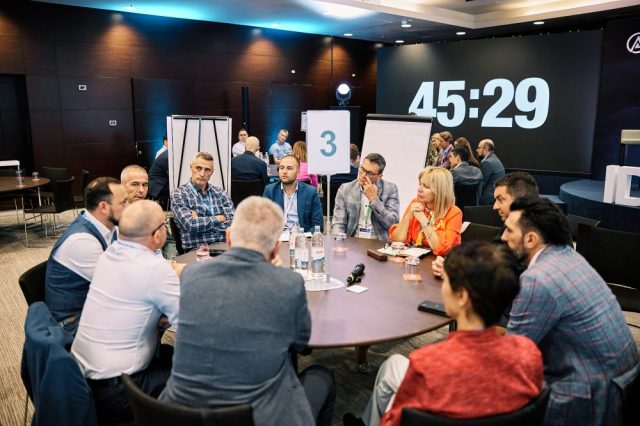
Nehmen Sie an dieser Veranstaltung teil, bei der CIOs, führende Köpfe im Bereich Cybersicherheit und Branchenexperten zusammenkommen, um die Schnittstelle zwischen digitaler Transformation und Sicherheit zu erkunden. Erhalten Sie Einblicke in die Stärkung von Sicherheitsmaßnahmen, den Schutz von Cloud- und Anwendungsumgebungen und die Nutzung KI-gestützter Sicherheitslösungen.
Erfahren Sie, wie CIOs ihre Rolle bei der strategischen Entscheidungsfindung stärken können, indem sie Sicherheit in die Geschäftsziele integrieren, Zero-Trust-Architekturen einführen und Risiken in der Lieferkette mindern.
Seien Sie der Zeit voraus – entdecken Sie bewährte Verfahren, innovative Technologien und innovative Ansätze, um die digitale Zukunft Ihres Unternehmens zu sichern.
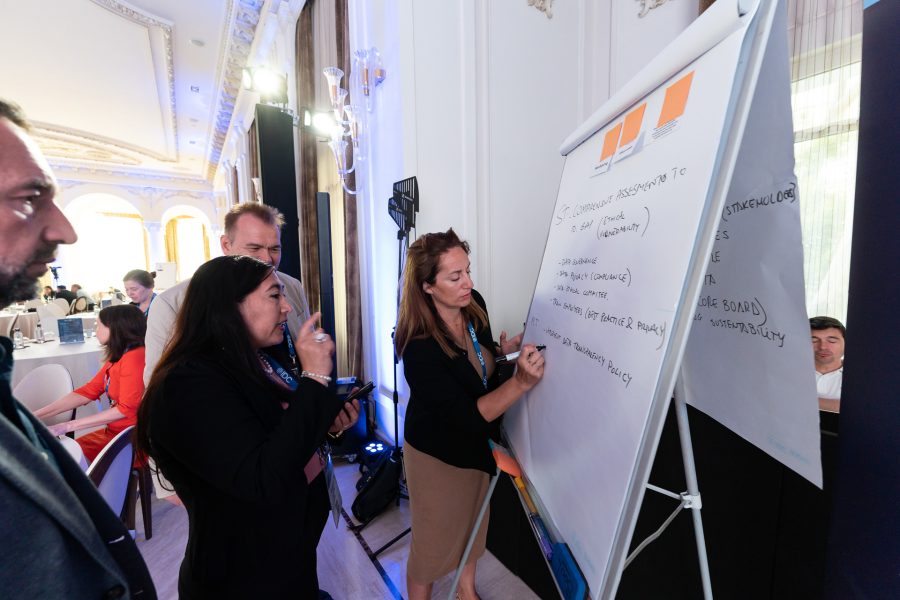
Dienstag 11.November 2025

Jacqueline Knollmayr
Moderatorin
Thomas Meyer | IDC
General Manager and Group Vice President, EMEA Research

Thomas Meyer joined IDC in January 1999 and is currently responsible for managing IDC’s IT Research in Europe. This includes coverage of software, services and hardware markets focused on topics such as datacenter transformation, cloud computing, virtualization, business continuity, sustainability and print services. Additionally Meyer also manages IDC Europe’s cross-domain Practices which provide insight and advisory on 3rd Platform industry transformation such Internet of Things, Cloud, Mobility, Big Data and Customer Experience IT to ICT vendors and end users.
Meyer frequently speaks at IDC, industry, customer and CIO events such as CeBIT, IDC’s EMEA CIO Summit Series, IDC’s Virtualization and Cloud Conferences and the Mobile Commerce Conference. He often contributes to articles in publications across Europe, including the Wall Street Journal, Die Zeit, Focus, Le Monde Informatique, and IT Week, and has also appeared on the BBC World Business Report and Breakfast Business Update.
Before joining IDC, Thomas Meyer worked as an IT media analyst. He holds degrees from the University of London in economics and German and an MA with a focus on European management concepts.
In einer immer stärker digitalisierten und vernetzten Welt bleibt der Mensch die größte Schwachstelle für Cyberangriffe. Herkömmliche Sicherheitsmaßnahmen stoßen zunehmend an ihre Grenzen. In diesem Vortrag erfahren Sie, wie Human Risk Management, Künstliche Intelligenz und adaptive Sicherheitsrichtlinien als ganzheitliches Konzept die Cybersicherheit signifikant verbessern können. Anhand praxisorientierter Beispiele wird gezeigt, wie menschliche Risiken gezielt erkannt und minimiert werden, wie KI Bedrohungen frühzeitig aufspürt und wie adaptive Security Policies Sicherheitsmaßnahmen dynamisch an das Nutzerverhalten und aktuelle Risikolagen anpassen. Sie erhalten konkrete Anregungen, wie diese Methoden Unternehmen dabei unterstützen, Compliance sicherzustellen, Angriffsflächen zu verringern und eine nachhaltige Sicherheitskultur zu etablieren.

Jakob Schuhmann
Account Executive Mid Market, Mimecast
In Krisen- und Katastrophenszenarien ist eine funktionierende Telekommunikation für Unternehmen essentiell um handlungsfähig zu bleiben. Beim Blackout auf der iberischen Halbinsel im April 2025 hat sich gezeigt, wie rasch und stark sich der Ausfall von Kommunikationsmittel auf Organisationen auswirkt. Umso wichtiger ist die angemessene Vorbereitung. Scheinbar einfache aber oftmals ineffektive Lösungen wiegen oftmals in trügerischer Sicherheit. Eine methodische Herangehensweise, entwickelt von Experten aus der Kommunikationsbranche, schafft Sicherheit.
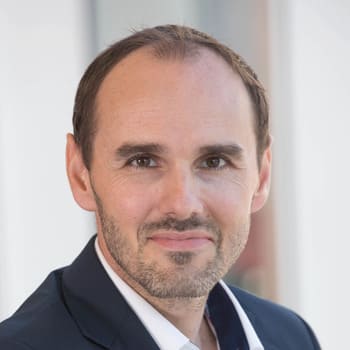
Christian Zeindlhofer
Head of Group Risk & Resilience, A1 Telekom Austria AG
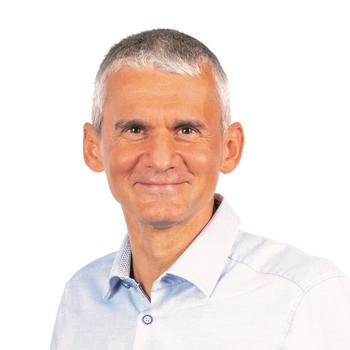
Gerald Schremser
Group CISO, Prinzhorn Gruppe

Andreas Scheurle
Enterprise Account Manager, Delinea
KI ist das neue Glanzstück, so wie es die Cloud vor einem Jahrzehnt war. Damals stürzten sich viele Unternehmen in die Einführung, ohne Rücksicht auf die Absicherung – und verbrachten Jahre damit, diesen Aspekt aufzuholen. Heute droht sich die Geschichte zu wiederholen. Während KI als Treiber für Automatisierung und Effizienz gefeiert wird, liegt das Risiko darin, die KI selbst ungeschützt zu lassen. In diesem Vortrag ziehen wir Lehren aus der Cloud-Ära und beleuchten, was auf dem Spiel steht, wenn wir die Sicherheit der KI zu spät angehen.

Stefan Schachinger
Cyber Security Sales Expert, T-Systems International
Ransomware bleibt die größte Cyberbedrohung für Unternehmen weltweit und erreicht ein beispielloses Ausmaß sowie enorme Auswirkungen. Trotz der Zerschlagung zweier bedeutender Ransomware-Gruppen – LockBit und ALPHV – bleibt das Gesamtvolumen der Angriffe weitgehend unverändert, und die Kosten werden bis 2031 auf jährlich 265 Milliarden US-Dollar geschätzt.
Entgegen der Statistiken muss Ransomware jedoch nicht zwangsläufig eine Frage des „Wann“ sein – Sicherheitsteams haben die Möglichkeit, daraus ein „Ob“ zu machen.
In dieser Session wird David Berger, Regional Director bei Pentera, umsetzbare Strategien vorstellen, mit denen Sie Ihre Abwehrmaßnahmen stärken und die Resilienz Ihrer Organisation erhöhen können.

David Berger
Regional Director, Pentera
Cyberangriffe, regulatorische Anforderungen und zunehmende Abhängigkeiten von IT-Services stellen Organisationen vor neue Herausforderungen. Der Vortrag zeigt, wie IT-Service Continuity Management (ITSCM) als verbindendes Element zwischen Informationssicherheitsmanagement (ISMS), Business Continuity Management (BCMS) und IT-Governance wirkt. Anhand aktueller Beispiele werden praxisnahe Ansätze aufgezeigt, wie Unternehmen durch integriertes ITSCM ihre digitale und operationelle Resilienz nachhaltig stärken können.
Inhalte:
Philipp Ladurner
Business Continuity Manager, Hypo Tirol Bank
Jacqueline Knollmayr
Moderatorin

Moderatorin
Read Bio

General Manager and Group Vice President, EMEA Research
IDC
Read Bio
Group CISO
Prinzhorn Gruppe
Read Bio
Business Continuity Manager
Hypo Tirol Bank
Read Bio
Head of Group Risk & Resilience
A1 Telekom Austria AG
Read Bio
Account Executive Mid Market
Mimecast
Read Bio

Enterprise Account Manager
Delinea
Read Bio

Cyber Security Sales Expert
T-Systems International
Read Bio

Regional Director
Pentera
Read Bio
“Positiv – Laut – Charmant – Echt : Anders” mit diesen Schlagworten macht die Moderatorin, Jungschauspielerin und Sprecherin Jacqueline Knollmayr auf sich aufmerksam. Nachdem sie 2010 die Schauspielschule Elfriede Ott mit dem Staatlichen Diplom abgeschlossen hat, war sie hauptsächlich in der kreativen Branche tätig. Der Kinofilm “Friday Night Horror”, ein Werbespot für Servus TV, ein selbst geschriebenes Kabarett, sowie diverse Theater- und Kurzfilmproduktionen entstanden damals.
Ehe sie dann 2013 die Moderation für sich entdeckte. Kurzerhand absolvierte sie neben ihrem Lehramtsstudium Französisch und Psychologie & Philosophie ein Moderationstraining bei Belinda Veber vom Moderatorenpool. Seitdem moderierte Jacqueline Knollmayr bereits für den Österreichischen Integrationsfond, den ÖAS-Kongress, die UEFA Champions League Trophy Tour, die Wiener Ärztekammer, den “Ich helfe laufend”-Charityrun, das Let’s CEE Film Festival, den Junge Kunst Parcour, uvm. ….
Thomas Meyer joined IDC in January 1999 and is currently responsible for managing IDC’s IT Research in Europe. This includes coverage of software, services and hardware markets focused on topics such as datacenter transformation, cloud computing, virtualization, business continuity, sustainability and print services. Additionally Meyer also manages IDC Europe’s cross-domain Practices which provide insight and advisory on 3rd Platform industry transformation such Internet of Things, Cloud, Mobility, Big Data and Customer Experience IT to ICT vendors and end users.
Meyer frequently speaks at IDC, industry, customer and CIO events such as CeBIT, IDC’s EMEA CIO Summit Series, IDC’s Virtualization and Cloud Conferences and the Mobile Commerce Conference. He often contributes to articles in publications across Europe, including the Wall Street Journal, Die Zeit, Focus, Le Monde Informatique, and IT Week, and has also appeared on the BBC World Business Report and Breakfast Business Update.
Before joining IDC, Thomas Meyer worked as an IT media analyst. He holds degrees from the University of London in economics and German and an MA with a focus on European management concepts.
Cyberangriffe, regulatorische Anforderungen und zunehmende Abhängigkeiten von IT-Services stellen Organisationen vor neue Herausforderungen. Der Vortrag zeigt, wie IT-Service Continuity Management (ITSCM) als verbindendes Element zwischen Informationssicherheitsmanagement (ISMS), Business Continuity Management (BCMS) und IT-Governance wirkt. Anhand aktueller Beispiele werden praxisnahe Ansätze aufgezeigt, wie Unternehmen durch integriertes ITSCM ihre digitale und operationelle Resilienz nachhaltig stärken können.
Inhalte:
In Krisen- und Katastrophenszenarien ist eine funktionierende Telekommunikation für Unternehmen essentiell um handlungsfähig zu bleiben. Beim Blackout auf der iberischen Halbinsel im April 2025 hat sich gezeigt, wie rasch und stark sich der Ausfall von Kommunikationsmittel auf Organisationen auswirkt. Umso wichtiger ist die angemessene Vorbereitung. Scheinbar einfache aber oftmals ineffektive Lösungen wiegen oftmals in trügerischer Sicherheit. Eine methodische Herangehensweise, entwickelt von Experten aus der Kommunikationsbranche, schafft Sicherheit.
In einer immer stärker digitalisierten und vernetzten Welt bleibt der Mensch die größte Schwachstelle für Cyberangriffe. Herkömmliche Sicherheitsmaßnahmen stoßen zunehmend an ihre Grenzen. In diesem Vortrag erfahren Sie, wie Human Risk Management, Künstliche Intelligenz und adaptive Sicherheitsrichtlinien als ganzheitliches Konzept die Cybersicherheit signifikant verbessern können. Anhand praxisorientierter Beispiele wird gezeigt, wie menschliche Risiken gezielt erkannt und minimiert werden, wie KI Bedrohungen frühzeitig aufspürt und wie adaptive Security Policies Sicherheitsmaßnahmen dynamisch an das Nutzerverhalten und aktuelle Risikolagen anpassen. Sie erhalten konkrete Anregungen, wie diese Methoden Unternehmen dabei unterstützen, Compliance sicherzustellen, Angriffsflächen zu verringern und eine nachhaltige Sicherheitskultur zu etablieren.
KI ist das neue Glanzstück, so wie es die Cloud vor einem Jahrzehnt war. Damals stürzten sich viele Unternehmen in die Einführung, ohne Rücksicht auf die Absicherung – und verbrachten Jahre damit, diesen Aspekt aufzuholen. Heute droht sich die Geschichte zu wiederholen. Während KI als Treiber für Automatisierung und Effizienz gefeiert wird, liegt das Risiko darin, die KI selbst ungeschützt zu lassen. In diesem Vortrag ziehen wir Lehren aus der Cloud-Ära und beleuchten, was auf dem Spiel steht, wenn wir die Sicherheit der KI zu spät angehen.
Ransomware bleibt die größte Cyberbedrohung für Unternehmen weltweit und erreicht ein beispielloses Ausmaß sowie enorme Auswirkungen. Trotz der Zerschlagung zweier bedeutender Ransomware-Gruppen – LockBit und ALPHV – bleibt das Gesamtvolumen der Angriffe weitgehend unverändert, und die Kosten werden bis 2031 auf jährlich 265 Milliarden US-Dollar geschätzt.
Entgegen der Statistiken muss Ransomware jedoch nicht zwangsläufig eine Frage des „Wann“ sein – Sicherheitsteams haben die Möglichkeit, daraus ein „Ob“ zu machen.
In dieser Session wird David Berger, Regional Director bei Pentera, umsetzbare Strategien vorstellen, mit denen Sie Ihre Abwehrmaßnahmen stärken und die Resilienz Ihrer Organisation erhöhen können.

Mimecast is an AI-powered, API-enabled and connected human risk management platform. It is designed to protect organizations from the full spectrum of cyber threats. It integrates modern, user-friendly technology with risk detection and security literacy strategies that always keep the user in focus. Designed to make invisible risks visible and process data insights in such a way that they can serve as a basis for decision-making, it opens up proactive options for companies to take action. It helps to protect communication and collaboration landscapes, secure critical data, actively involve employees in risk management and promote a security culture that is in line with corporate goals such as business continuity and increased productivity. Over 42,000 organizations worldwide trust Mimecast to stay ahead of the dynamically evolving threat landscape. From internal risks to external threats, Mimecast offers customers more. More visibility. More insight. More agility. More security.



Your partner for digitalization
As a strong digitalization and IT service provider, we offer you not only the best teams of experts, but also a powerful digital portfolio at competitive prices.
Local strength with global networking
As a subsidiary of T-Systems International, we shape the connected future of business and society with innovative ICT solutions. Our globally distributed “Global Delivery Network,” with development centers near and offshore, enables our customers to optimize project execution in terms of costs, skills, and capacity.
In the Austrian market, we shape the digital future with a forward-looking perspective, innovative solutions, and valuable industry expertise. We want to not only help you discover your digital potential, but also accompany you throughout your entire digital transformation with customized end-to-end IT services, holistic concepts, and expert consulting.

Red Sift is creating a fundamentally safer internet through proactive security across email, web and PKI. Together, we are equipping security leaders to keep not just their organizations, but their customers secure.
Working across EMEA, APAC and the US. Our regional expertise means every mailbox stays protected, regardless of time zone.

Robert-Stolz-Platz 1
1010 Vienna, Austria
https://www.marriott.com/de/hotels/viemd-le-meridien-vienna/overview/
Der IT Strategy & Cyber Security Summit richtet sich an IT- und Fachbereichsmitarbeitende aus IT-Anwenderunternehmen in Österreich.
IT-Anwenderunternehmen im Sinne dieser Teilnahmebedingungen sind alle Organisationen, die selbst keine Beratungsdienstleistungen erbringen und/oder ITK-Produkte oder -Dienstleistungen entwickeln, herstellen oder vertreiben. Mitarbeitende von ausgegründeten IT-Gesellschaften, die ausschliesslich für den Mutterkonzern arbeiten und kein Drittgeschäft machen, sind ebenfalls teilnahmeberechtigt.
Mitarbeitende von IT-Anbieterunternehmen haben grundsätzlich nur im Rahmen eines Sponsorships Zugang zu unseren Events.
IT-Anbieterunternehmen im Sinne dieser Teilnahmebedingungen sind Hardware-, Software-, Services- und Telekommunikationsunternehmen sowie Beratungsunternehmen und ITK-Dienstleister.
IDC behält sich ausdrücklich das Recht vor, Registrierungen von Personen, die nicht zur o.g. Zielgruppe gehören – auch wenn die Einladung durch einen unserer Partner, irrtümlich durch IDC selbst oder durch die Teilnahme an einer Online-Umfrage ausgesprochen wurde – nicht zu bestätigen.
Nach Ihrer Anmeldung über das Online-Registrierungsformular und erfolgreicher Prüfung durch IDC erhalten Sie eine verbindliche Anmeldebestätigung per E-Mail.
Hinweis: Aus Gründen der besseren Lesbarkeit wird bei Personenbezeichnungen und personenbezogenen Hauptwörtern auf dieser Website die geschlechts-neutrale Form verwendet. Entsprechende Begriffe gelten im Sinne der Gleichbehandlung grundsätzlich für alle Geschlechter. Die verkürzte Sprachform hat nur redaktionelle Gründe und beinhaltet keine Wertung.
Keine Sorge! Es gibt viele andere Veranstaltungen zur Auswahl. Melden Sie sich einfach für Veranstaltungseinladungen an und wir senden Ihnen eine E-Mail-Einladung, wenn wir eine neue Veranstaltung hinzufügen, die Ihren Interessen entspricht.


SoSafe permite a las organizaciones crear una cultura de ciberseguridad y convertir a sus empleados en sus mejores defensas contra las amenazas digitales.
La plataforma de concienciación de SoSafe está basada en la ciencia del comportamiento, utiliza algoritmos inteligentes y, además, es fácil de implementar, escalable y divertida de usar.
Somos el principal proveedor europeo de concienciación y formación en ciberseguridad y la empresa de concienciación sobre ciberseguridad de más rápido crecimiento en todo el mundo. Ponemos nuestro foco en las personas y nos basamos en la ciencia del comportamiento, lo que nos permite cambiar el statu quo de la concienciación sobre ciberseguridad. »

ManageEngine is a division of Zoho Corporation and a leading provider of IT management solutions for organizations across the world. With a powerful, flexible, and AI-powered digital enterprise management platform, we help businesses get their work done from anywhere and everywhere – better, safer, and faster. To learn more, visit www.manageengine.com

Sophos is a cybersecurity leader defending 600,000 organizations globally with an AI-driven platform and expert-led services. Sophos meets organizations wherever they are in their security maturity and grows with them to defeat cyberattacks. Its solutions combine machine learning, automation, and real-time threat intelligence with frontline human expertise from Sophos X-Ops to deliver advanced, 24/7 threat monitoring, detection, and response. Sophos offers industry-leading managed detection and response (MDR) alongside a comprehensive portfolio of cybersecurity technologies — including endpoint, network, email, and cloud security, extended detection and response (XDR), identity threat detection and response (ITDR), and next-gen SIEM.


Thales es un líder global en ciberseguridad y tecnologías digitales críticas, que ayuda a grandes organizaciones a proteger sus datos, identidades y aplicaciones en entornos cada vez más híbridos y cloud.
Acompañamos a CIOs y CISOs en sus principales retos: seguridad de la información, cumplimiento regulatorio, soberanía del dato y protección de aplicaciones, ofreciendo soluciones de Data Security, Encryption, Key Management, Digital Identity y Application Security.
Nuestras tecnologías están diseñadas para integrarse en ecosistemas complejos y soportar operaciones críticas a gran escala, permitiendo a las empresas innovar con confianza y acelerar su transformación digital de forma segura.

Como partner líder de Microsoft y proveedor de Cloud Managed Services, glueckkanja ofrece soluciones cloud estandarizadas y escalables con un enfoque basado en blueprints y el uso coherente de Infrastructure as Code. El objetivo principal es migrar y operar la infraestructura del cliente apra aprovechar al máximo las capacidades de su licenciamiento y ecosistema Microsoft de forma segura en la nube.
glueckkanja gestiona más de 1 millón de endpoints en clientes de diferentes industrias. Nuestro propio Cloud Security Operations Center supervisa los sistemas de manera continua y los equipos de Incident Response y Advanced Threat Protection actúan 24/7 para detectar y contener ciberataques, garantizando plataformas siempre actualizadas y alineadas con los estándares de seguridad actuales.
Como uno de los primeros partners a nivel mundial, glueckkanja tiene el estatus de solución MXDR verificada por Microsoft y ha sido nueve veces finalista o ganador del premio Microsoft Partner of the Year.

Con presencia en 202 países y más de 110 millones de usuarios protegidos, ESET es la mayor compañía de soluciones de seguridad con sede en la UE. Su amplia cartera de productos abarca todas las plataformas y ofrece a empresas y usuarios finales de todo el mundo el equilibro perfecto entre velocidad, detección y facilidad de uso.
En España, Ontinet.com, con una red de más de 6.000 distribuidores, es el representante y distribuidor oficial de los productos ESET y sus alianzas tecnológicas.

Saviynt is a global leader in identity security and access governance.
Saviynt’s AI-powered identity platform manages and governs human and non-human access across an organization’s entire ecosystem of applications, data, and business processes. Customers trust Saviynt to protect their digital assets, improve operational efficiency, and reduce compliance costs.
Designed for the AI era, Saviynt helps organizations securely accelerate the deployment and adoption of AI today.
Saviynt solutions support and secure large multinational enterprises, Fortune 500 companies, and public sector organizations.
For more information, please visit www.saviynt.com.

BeyondTrust is the global identity security leader protecting Paths to Privilege™. Our identity-centric approach goes beyond securing privileges and access, empowering organizations with the most effective solution to manage the entire identity attack surface and neutralize threats, whether from external attacks or insiders.
BeyondTrust is leading the charge in transforming identity security to prevent breaches and limit the blast radius of attacks, while creating a superior customer experience and operational efficiencies. We are trusted by 20,000 customers, including 75 of the Fortune 100, and our global ecosystem of partners.
Learn more at www.beyondtrust.com.

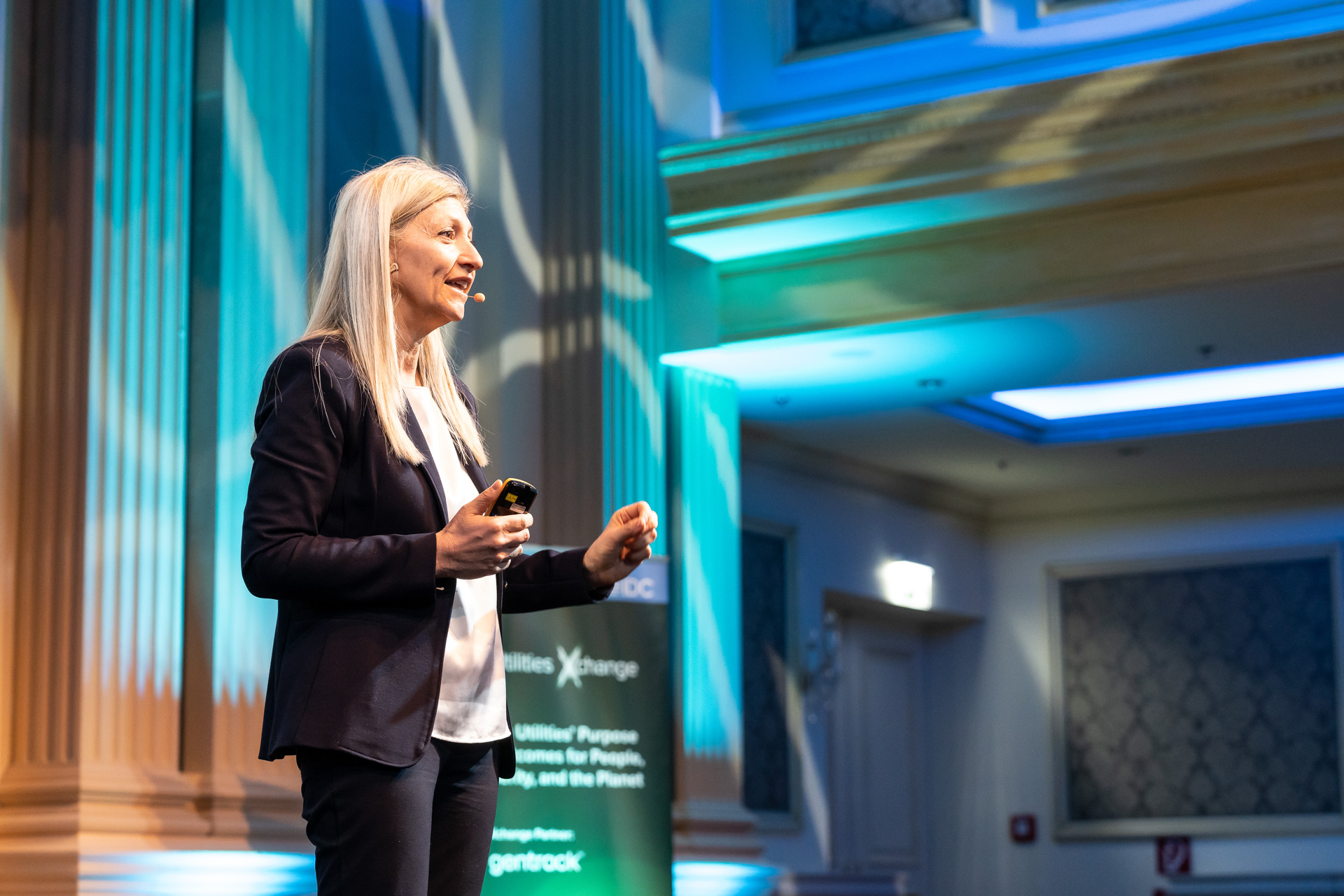

Research Director, European Security
IDC
Read bio
As research director for IDC’s European Security practice, Joel Stradling leads the content and analyst team for tracking the European security segment. His main focus area is the integration of network plus security and evolution of network architectures towards software-defined secure access.
Stradling has 20 years of experience as an analyst of international managed enterprise network and IT services. He is a regular speaker at major industry conferences talking about emerging technologies in B2B enterprise network and IT and wholesale carrier-to-carrier services. Joel is a well-known and highly regarded expert in the industry, offering insight and advice to C-level executives on technology competitive landscapes and emerging technologies, such as SD-WAN, 5G, SDN/NFV, and cyber-security.

Global CISO
Iberdrola
Read bio
La tecnología no garantiza la seguridad sin liderazgo, cultura y talento. Este panel exclusivo para usuarios reunirá a CISOs, CIOs y líderes empresariales para debatir cómo integrar la seguridad en la cultura organizativa, comunicar el riesgo al consejo y atraer talento especializado. Se abordará la gestión del riesgo humano, la concienciación y el papel del liderazgo como motor de la confianza digital.
Global CISO
Grupo Abertis
Read bio
La seguridad ya no se mide solo por la prevención de incidentes, sino por la capacidad de las organizaciones para mantener el control, adaptarse y recuperarse.
Este panel analizará cómo modernizar infraestructuras y consolidar plataformas para operacionalizar la resiliencia, integrando capacidades como MDR/XDR, observabilidad y protección nativa en la nube.
Se abordarán modelos de confianza, Zero Trust y soberanía digital para equilibrar el control sobre datos, infraestructuras y proveedores sin perder agilidad ni interoperabilidad.
El debate incluirá métricas y marcos de referencia para evaluar la madurez y eficacia de la seguridad en el contexto europeo y en sectores críticos.
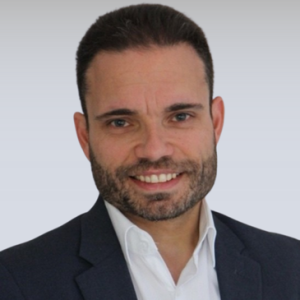
Global CISO at Ferrovial Energy and Global Head of OT Cybersecurity for Ferrovial Group
Ferrovial
Read bio
La tecnología no garantiza la seguridad sin liderazgo, cultura y talento. Este panel exclusivo para usuarios reunirá a CISOs, CIOs y líderes empresariales para debatir cómo integrar la seguridad en la cultura organizativa, comunicar el riesgo al consejo y atraer talento especializado. Se abordará la gestión del riesgo humano, la concienciación y el papel del liderazgo como motor de la confianza digital.
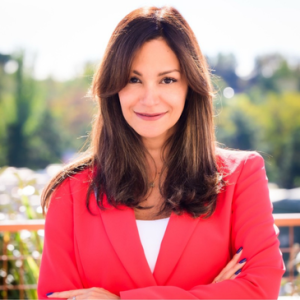
Global CISO
Codere
Read bio
La Inteligencia Artificial y la automatización inteligente están redefiniendo la ciberseguridad — desde la detección hasta la toma de decisiones. Sin embargo, su uso responsable es clave. Este panel analizará cómo desplegar la IA de forma segura, con transparencia y gobernanza, transformando la innovación en confianza. Se debatirá sobre analítica impulsada por IA, orquestación, automatización y marcos éticos que garanticen la responsabilidad en todo el ecosistema digital.
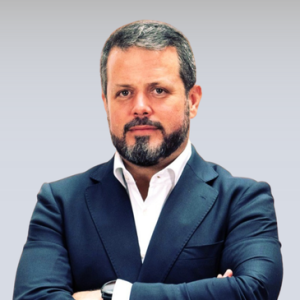
CISO Sabadell Digital Director Operaciones Seguridad.
Banco Sabadell
Read bio

Global CISO
Interpol
Read bio

CISO
Barceló Hotel Group
Read bio
La Inteligencia Artificial y la automatización inteligente están redefiniendo la ciberseguridad — desde la detección hasta la toma de decisiones. Sin embargo, su uso responsable es clave. Este panel analizará cómo desplegar la IA de forma segura, con transparencia y gobernanza, transformando la innovación en confianza. Se debatirá sobre analítica impulsada por IA, orquestación, automatización y marcos éticos que garanticen la responsabilidad en todo el ecosistema digital.
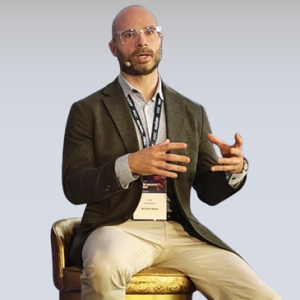
CISO
WiZink
Read bio

Senior Corporate Account Executive
SoSafe
Read bio
CISO
Asociación Española contra el Cáncer
Read bio

Country Manager
Saviynt Iberia
Read bio
La Inteligencia Artificial y la automatización inteligente están redefiniendo la ciberseguridad — desde la detección hasta la toma de decisiones. Sin embargo, su uso responsable es clave. Este panel analizará cómo desplegar la IA de forma segura, con transparencia y gobernanza, transformando la innovación en confianza. Se debatirá sobre analítica impulsada por IA, orquestación, automatización y marcos éticos que garanticen la responsabilidad en todo el ecosistema digital.
Enterprise Account Manager
BeyondTrust
Read bio
La seguridad ya no se mide solo por la prevención de incidentes, sino por la capacidad de las organizaciones para mantener el control, adaptarse y recuperarse.
Este panel analizará cómo modernizar infraestructuras y consolidar plataformas para operacionalizar la resiliencia, integrando capacidades como MDR/XDR, observabilidad y protección nativa en la nube.
Se abordarán modelos de confianza, Zero Trust y soberanía digital para equilibrar el control sobre datos, infraestructuras y proveedores sin perder agilidad ni interoperabilidad.
El debate incluirá métricas y marcos de referencia para evaluar la madurez y eficacia de la seguridad en el contexto europeo y en sectores críticos.
Senior Account Executive – Spain
RIOT
Read bio
Las ciber-amenazas evolucionan cada vez más rápido impulsadas por la IA, y los CISOs saben que los programas tradicionales de concienciación ya no bastan para preparar a los empleados frente a ataques cada vez más sofisticados y personalizados.
En este boardroom, debatiremos cómo llevar la concienciación al siguiente nivel, generando un cambio real de comportamiento en los empleados. Abordaremos también cuáles son los KPIs individuales de ciberseguridad más relevantes, cómo utilizarlos para medir la evolución en el tiempo y cómo presentar indicadores claros y cuantificables a los organismos reguladores y a la dirección.
Director Corporativo de Seguridad [CSO y DPO]
MAPFRE
Read bio

Security Evangelist
glueckkanja
Read bio
Gestionar la seguridad de más de 100 clientes y más de 1 millón de puestos nos ha enseñado una lección vital: la IA es potente, pero no infalible. Acompáñanos para explorar los límites de la inteligencia artificial en la gestión de seguridad. Compartiremos nuestra metodología para identificar el “sweet spot” de la automatización, mostrando dónde la IA brilla y dónde las reglas tradicionales siguen siendo la opción superior para una defensa robusta.
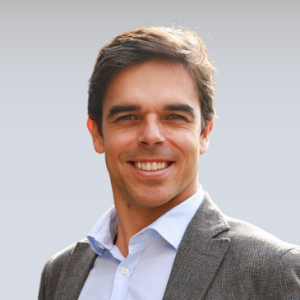
Director de Ventas
Sophos Iberia
Read bio
En un contexto actual marcado por amenazas digitales cada vez más complejas y un mercado en constante evolución, el papel del CISO se ha vuelto esencial para las empresas. Más allá de la protección tecnológica, su función conecta estrategia, negocio y confianza. Uno de los mayores retos del sector de la ciberseguridad es lograr trasladar este pensamiento estratégico y crítico al conjunto de las organizaciones de manera escalable, eficiente y verdaderamente optimizada.

CTO
ESET España
Read bio
Algunos de los temas a tratar:
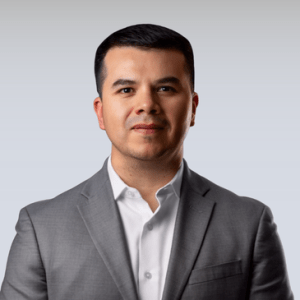
Technical Director Southern Europe & LATAM
ManageEngine
Read bio
En un panorama digital donde la Inteligencia Artificial se ha convertido en el arma predilecta de los ciberdelincuentes, las defensas tradicionales ya no son suficientes. Esta sesión explora la evolución de las amenazas modernas, centrándose en cómo la IA generativa permite crear campañas de phishing hiper-personalizadas y ataques a la cadena de suministro automatizados y difíciles de detectar.
Data & Analytics Manager
IDC
Read bio
Algunos de los temas a tratar:
La tecnología no garantiza la seguridad sin liderazgo, cultura y talento. Este panel exclusivo para usuarios reunirá a CISOs, CIOs y líderes empresariales para debatir cómo integrar la seguridad en la cultura organizativa, comunicar el riesgo al consejo y atraer talento especializado. Se abordará la gestión del riesgo humano, la concienciación y el papel del liderazgo como motor de la confianza digital.
La seguridad ya no se mide solo por la prevención de incidentes, sino por la capacidad de las organizaciones para mantener el control, adaptarse y recuperarse.
Este panel analizará cómo modernizar infraestructuras y consolidar plataformas para operacionalizar la resiliencia, integrando capacidades como MDR/XDR, observabilidad y protección nativa en la nube.
Se abordarán modelos de confianza, Zero Trust y soberanía digital para equilibrar el control sobre datos, infraestructuras y proveedores sin perder agilidad ni interoperabilidad.
El debate incluirá métricas y marcos de referencia para evaluar la madurez y eficacia de la seguridad en el contexto europeo y en sectores críticos.
La Inteligencia Artificial y la automatización inteligente están redefiniendo la ciberseguridad — desde la detección hasta la toma de decisiones. Sin embargo, su uso responsable es clave. Este panel analizará cómo desplegar la IA de forma segura, con transparencia y gobernanza, transformando la innovación en confianza. Se debatirá sobre analítica impulsada por IA, orquestación, automatización y marcos éticos que garanticen la responsabilidad en todo el ecosistema digital.
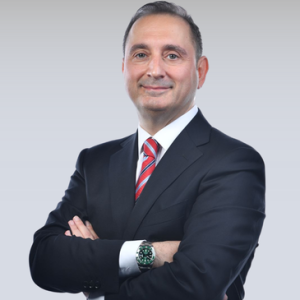
CGO (Chief Growth Officer) & Co-Founder
Brandefense
Read bio

CISO
Carrefour Servicios Financieros
Read bio
La seguridad ya no se mide solo por la prevención de incidentes, sino por la capacidad de las organizaciones para mantener el control, adaptarse y recuperarse.
Este panel analizará cómo modernizar infraestructuras y consolidar plataformas para operacionalizar la resiliencia, integrando capacidades como MDR/XDR, observabilidad y protección nativa en la nube.
Se abordarán modelos de confianza, Zero Trust y soberanía digital para equilibrar el control sobre datos, infraestructuras y proveedores sin perder agilidad ni interoperabilidad.
El debate incluirá métricas y marcos de referencia para evaluar la madurez y eficacia de la seguridad en el contexto europeo y en sectores críticos.

BISO & Head of Security Governance
WiZink
Read bio
La tecnología no garantiza la seguridad sin liderazgo, cultura y talento. Este panel exclusivo para usuarios reunirá a CISOs, CIOs y líderes empresariales para debatir cómo integrar la seguridad en la cultura organizativa, comunicar el riesgo al consejo y atraer talento especializado. Se abordará la gestión del riesgo humano, la concienciación y el papel del liderazgo como motor de la confianza digital.

Joel Stradling | IDC
Research Director, European Security
As research director for IDC’s European Security practice, Joel Stradling leads the content and analyst team for tracking the European security segment. His main focus area is the integration of network plus security and evolution of network architectures towards software-defined secure access.
Stradling has 20 years of experience as an analyst of international managed enterprise network and IT services. He is a regular speaker at major industry conferences talking about emerging technologies in B2B enterprise network and IT and wholesale carrier-to-carrier services. Joel is a well-known and highly regarded expert in the industry, offering insight and advice to C-level executives on technology competitive landscapes and emerging technologies, such as SD-WAN, 5G, SDN/NFV, and cyber-security.

Vicente Gea
Senior Corporate Account Executive, SoSafe
Alfonso Delgado
CISO, Asociación Española contra el Cáncer
La Inteligencia Artificial y la automatización inteligente están redefiniendo la ciberseguridad — desde la detección hasta la toma de decisiones. Sin embargo, su uso responsable es clave. Este panel analizará cómo desplegar la IA de forma segura, con transparencia y gobernanza, transformando la innovación en confianza. Se debatirá sobre analítica impulsada por IA, orquestación, automatización y marcos éticos que garanticen la responsabilidad en todo el ecosistema digital.
Ignacio Martínez De Lizarrondo
Data & Analytics Manager, IDC

Fanny Y. Pérez Santiago
Global CISO, Codere

Esther Álvarez Salazar
CISO, Barceló Hotel Group

Jorge Sendra Mas
Country Manager, Saviynt Iberia
En un panorama digital donde la Inteligencia Artificial se ha convertido en el arma predilecta de los ciberdelincuentes, las defensas tradicionales ya no son suficientes. Esta sesión explora la evolución de las amenazas modernas, centrándose en cómo la IA generativa permite crear campañas de phishing hiper-personalizadas y ataques a la cadena de suministro automatizados y difíciles de detectar.
Andrés Mendoza
Technical Director Southern Europe & LATAM, ManageEngine
En un contexto actual marcado por amenazas digitales cada vez más complejas y un mercado en constante evolución, el papel del CISO se ha vuelto esencial para las empresas. Más allá de la protección tecnológica, su función conecta estrategia, negocio y confianza. Uno de los mayores retos del sector de la ciberseguridad es lograr trasladar este pensamiento estratégico y crítico al conjunto de las organizaciones de manera escalable, eficiente y verdaderamente optimizada.
Álvaro Fernández
Director de Ventas, Sophos Iberia
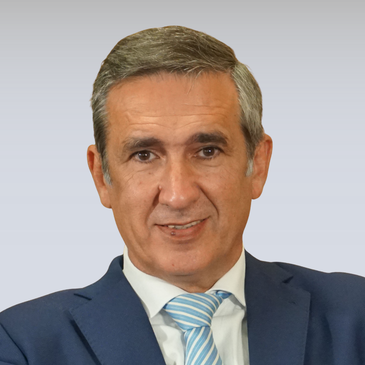
Guillermo Llorente
Director Corporativo de Seguridad [CSO y DPO], MAPFRE
La migración a la nube ha aportado agilidad y escalabilidad, pero también ha desplazado el control del activo más crítico de la empresa: la información. En un entorno marcado por tensiones geopolíticas, regulaciones cambiantes, dependencia de hyperscalares y atacantes cada vez más sofisticados, confiar ya no es una estrategia.
Esta sesión aborda cómo proteger el dato más allá de la infraestructura, aplicando modelos de soberanía, cifrado, aislamiento y control real de accesos para minimizar la exposición y el riesgo legal y operativo. Un enfoque práctico para CISOs y CIOs que necesitan garantizar que, incluso en la nube pública, las llaves sigan estando en casa. Aborda una pregunta crítica para cualquier líder: si tus datos están en la nube pública, ¿quién manda realmente sobre ellos?

Eutimio Fernández
Regional Sales Manager- Data Security – Iberia, Thales
Gestionar la seguridad de más de 100 clientes y más de 1 millón de puestos nos ha enseñado una lección vital: la IA es potente, pero no infalible. Acompáñanos para explorar los límites de la inteligencia artificial en la gestión de seguridad. Compartiremos nuestra metodología para identificar el “sweet spot” de la automatización, mostrando dónde la IA brilla y dónde las reglas tradicionales siguen siendo la opción superior para una defensa robusta.

Álvaro Lancho González
Security Evangelist, glueckkanja
Las ciber-amenazas evolucionan cada vez más rápido impulsadas por la IA, y los CISOs saben que los programas tradicionales de concienciación ya no bastan para preparar a los empleados frente a ataques cada vez más sofisticados y personalizados.
En este boardroom, debatiremos cómo llevar la concienciación al siguiente nivel, generando un cambio real de comportamiento en los empleados. Abordaremos también cuáles son los KPIs individuales de ciberseguridad más relevantes, cómo utilizarlos para medir la evolución en el tiempo y cómo presentar indicadores claros y cuantificables a los organismos reguladores y a la dirección.
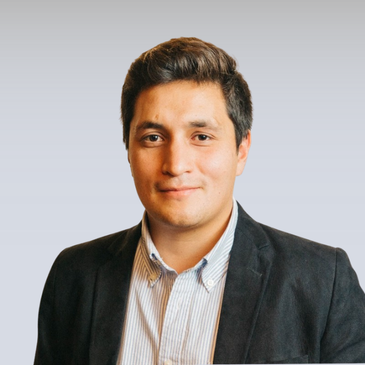
Samuel Alanis Rojas
Senior Account Executive – Spain, RIOT
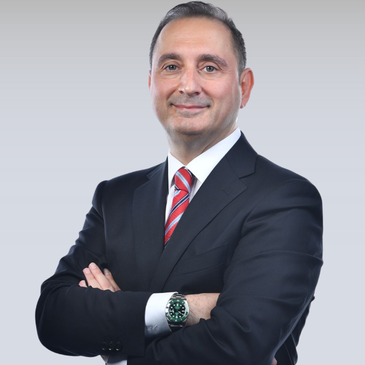
Hakan Uzun
CGO (Chief Growth Officer) & Co-Founder, Brandefense
La seguridad ya no se mide solo por la prevención de incidentes, sino por la capacidad de las organizaciones para mantener el control, adaptarse y recuperarse.
Este panel analizará cómo modernizar infraestructuras y consolidar plataformas para operacionalizar la resiliencia, integrando capacidades como MDR/XDR, observabilidad y protección nativa en la nube.
Se abordarán modelos de confianza, Zero Trust y soberanía digital para equilibrar el control sobre datos, infraestructuras y proveedores sin perder agilidad ni interoperabilidad.
El debate incluirá métricas y marcos de referencia para evaluar la madurez y eficacia de la seguridad en el contexto europeo y en sectores críticos.
Ignacio Martínez De Lizarrondo
Data & Analytics Manager, IDC
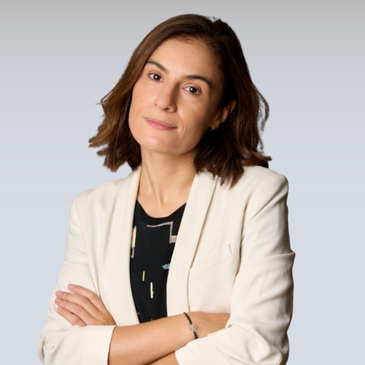
Olga Forné
Global CISO, Grupo Abertis

Daniel Sierra Saavedra
Director of Advanced Cyber Defence, Banco Sabadell

Javier Bello Pérez
CISO, Carrefour Servicios Financieros
Ricardo Hernández
Enterprise Account Manager, BeyondTrust
La tecnología no garantiza la seguridad sin liderazgo, cultura y talento. Este panel exclusivo para usuarios reunirá a CISOs, CIOs y líderes empresariales para debatir cómo integrar la seguridad en la cultura organizativa, comunicar el riesgo al consejo y atraer talento especializado. Se abordará la gestión del riesgo humano, la concienciación y el papel del liderazgo como motor de la confianza digital.
Ignacio Martínez De Lizarrondo
Data & Analytics Manager, IDC

Rafael Ceres
Global CISO, Iberdrola
Enrique Miranda
Global CISO at Ferrovial Energy and Global Head of OT Cybersecurity for Ferrovial Group, Ferrovial

Juan Acosta
BISO & Head of Security Governance, WiZink

Bjørn R. Watne
Global CISO, Interpol

Joel Stradling
Research Director, European Security, IDC
Algunos de los temas a tratar:
Ignacio Martínez De Lizarrondo
Data & Analytics Manager, IDC
Alejandro Aliaga
CTO, ESET España

Sponsored by

Overview
We are all aware of the rising prevalence of cyber attacks, both in terms of volume and also in the impact they can have on organisations and society in general. The pressures on the Security Operations Centre are immense and growing, as alerts and incidents need to be identified, assessed, prioritised and remediated efficiently and at scale.
Most people are familiar with emergent AI threats, such as perfect phishing campaigns and deep fake examples. But there are numerous other AI-based threats that are now also apparent: data and model poisoning, prompt injection and deep network reconnaissance are just a few of the identified threats.
Security leaders now rely on AI defensively, knowing that without it the advantage shifts to attackers. Basic AI is long proven for analytics and automation, while GenAI can compile incident reports and even drive incident response. The emergence of agentic AI creates the promise of autonomous SecOps, upskilling SOC analysts and alleviating talent shortages.
CISOs need better coordination and integration across the tools they already have, and ideally a reduction in complexity and the overall number of tools. The key question is: can I reduce the overall cost of my security estate while increasing efficiency and effectiveness? That’s the promise of integrated security platforms, but can they deliver?
To address these issues – and more – join Palo Alto Networks and IDC for an exclusive discussion on how leading organisations are addressing SecOps challenges in the era of AI everywhere. At this event we’ll explore:
We’ll connect strategy to execution, and discuss how organisations can enable, augment and optimise AI-enabled security, to drive new productivity and better security outcomes in today’s uncertain world.

Timezone: GMT

Group Vice President, IDC Europe
IDC
Read bio
Duncan Brown is associate vice president, European Security Practice, at IDC EMEA and leads the firm’s security research program in Europe. He specializes in providing strategic advice to his clients, informing and validating their corporate, product, and marketing plans. Brown is an expert in analyzing the security market globally, and his list of security-related clients includes enterprises, central banks, government organizations, and security product suppliers and services providers. Brown’s expertise spans the gamut of security topics including incident response, threat intelligence, and global privacy issues. He established and leads IDC’s coverage of the global impact of the GDPR, the RPEC (ePrivacy Directive update) and NIS Directive on technology companies and their customers. His analysis and opinions are widely sought by industry leaders and investors, while his comments on industry trends and developments frequently appear in the leading business and trade publications.
You can find Duncan on Twitter here.
Manager Domain Consultants, Security Operations Transformation
PaloAlto Networks
Read bio
Palo Alto Networks, the global cybersecurity leader, is shaping the cloud-centric future with technology that is transforming the way people and organizations operate. Our mission is to be the cybersecurity partner of choice, protecting our digital way of life. We help address the world’s greatest security challenges with continuous innovation that seizes the latest breakthroughs in artificial intelligence, analytics, automation, and orchestration. By delivering an integrated platform and empowering a growing ecosystem of partners, we are at the forefront of protecting tens of thousands of organizations across clouds, networks, and mobile devices. Our vision is a world where each day is safer and more secure than the one before.

Sponsored by

Independent analysts IDC estimate that over 50% of the SAP install base is still being run on physical infrastructure owned directly or indirectly by the SAP end license owner. This despite the trend in the non-SAP install base towards some form of cloud deployment, as well as SAP’s own long-standing direction for moving to cloud-based solutions and the end of life of some of its older platforms.
Why is it that, despite a significant portion of the SAP install base having moved to the cloud—a transition many strongly advocate—the majority still remain on-premises?
We hear the following reasons:
– We’re happy with what we have so why change?
– SAP is not suited to the cloud.
– The financials simply do not stack up.
– I want to move to cloud but can’t build a business case.
– What about security and data sovereignty?

Time
10:00 – 11:00 CET

Date
4 December 2025

Location
Virtual

Research Manager
IDC
Read bio
Ashok Patel is a research manager in IDC’s European enterprise applications team. Prior to joining IDC, he led the Market Trends programme at Source Global Research, providing insights into the latest trends and developments across the professional services market, and has previous experience exploring clients’ perceptions of consulting firms. Prior to working in professional services, Ashok was an editor and consultant in the commodities market, as well as working in the automotive industry.
Based in London, he examines the developments and trends in the European enterprise applications market, bringing the enterprise buyer perspective to IDC’s analysis and reporting. He has a BA honors degree in history from University of Essex as well as a master’s degree from the same university.
EVP EMEA – SAP Practice lead
Kyndryl
Read bio
Mark is Kyndryl’s EMEA SAP practice lead. He has been focused on the Large Enterprise SAP Services market-place for over 30-years, both as a consultant and predominantly in practice management – initially with Accenture, then with Axon and more recently Lemongrass.
Mark has developed an enviable track-record in solutioning and delivering high complexity technology and business led transformation throughout EMEA and beyond for clients such as Ericsson, Teva, and Philips and in both public and private sectors.
For the last 7-years Mark has helped some of the most demanding users of SAP complete their journey to the cloud, either native cloud hyper-scale cloud such as Azure or with SAP Rise. As a result, he’s developed major experience in developing the business case for such migrations as well as identifying and living through the challenges and issues this projects can pose – either in the migration or operational phases.

Director, Global Alliance Technical Evangelist, Microsoft
Kyndryl
Read bio
Jaisson is a dynamic public speaker with an enthusiasm for Microsoft cloud technologies and has spent over 25 years in the Microsoft industry with 13 of those years working directly at Microsoft.
He started his career as an escalation engineer on the Windows Server team, then he assisted Original Equipment Manufacturers and System Builders in evolving their practices by securing their adoption, and readiness, of Microsoft’s bleeding edge technologies. At a leading Global Services Integrator, he was an industry expert in Microsoft Licensing and Cloud Services, owning multiple business units and developed the Direction & Strategy for North America.
At Kyndryl, Jaisson seizes every opportunity to utilize his passion and enthusiasm for technology to help develop and shift our customer’s mindset towards continuous development and transformation with a heavy focus on FinOps. In addition to his role as a Kyndryl Director on the Microsoft Global Alliance team, he also served on the FinOps.Org Board of Governors for 2 years and is heavily involved in both the FinOps.org Technical Advisory Committee and the Sustainability working groups.
Jaisson is also currently active on the Microsoft Marketplace Customer Advisory Board (CAB). Adding to his bachelor’s degree from University of North Texas in Applied Technology and Performance Improvement, and his recent MBA with a concentration in Data Analytics from Texas A&M Corpus Christi, he attended MIT where he received his certification in Cloud & DevOps: Continuous Transformation.

Strategic SAP Partnership Lead, Europe North Region
Microsoft
Read bio
I am an entrepreneurial sales and marketing leader engaged in pushing the AI SaaSification of both customers and partners, focused on generating recurring revenue streams with our local/global SaaS software development partners. I have a proven ability to deliver positive impact, leading teams working in highly complex environments with multiple KPIs and business stakeholders.
As the ISV Partner Sales Lead, I lead a team of partner development managers focusing on growing revenue for our ISV partners thru joint GTM and continuous technical AI collaboration! Together with our ISV partners we aim to drive AI innovation and AI adoption/usage at our customers by offering ”ready to use” AI SaaS solutions!
Nearly 60% of European companies acknowledge that their legacy core business applications are no longer fit for purpose—yet only half of SAP users have migrated to S/4HANA. With vendor support for ECC ending in 2027, extended support incurring additional costs and risks, and AI innovation being focused first and foremost on cloud-based S/4HANA, the pressure to modernize has never been greater. Despite this modernization imperative, IDC data shows that only 14% of SAP customers plan to migrate to S/4HANA through RISE with SAP—the vendor’s preferred route for all SAP Cloud ERP Private customers—raising serious questions about what the best modernization route really is and how to deliver on it successfully.
In this webinar, IDC joins Kyndryl and Microsoft to explore the modernization imperative facing SAP customers—especially those still on legacy on-premises systems or in the early stages of their S/4HANA journey. We’ll unpack the key drivers behind ERP modernization, from high-risk legacy implementation to a modern AI-enabled ERP on Azure.
You’ll hear expert insights on building a compelling business case, navigating the different pathways (from lift-and-shift to greenfield), and overcoming common challenges, including hyperscaler contracts and uncertainty around RISE with SAP.
From IDC’s market trends and data to expert guidance from Kyndryl and Microsoft, this session will challenge you to rethink your ERP strategy and ask where your organization is really ready for what’s next.

Kyndryl is the world’s largest IT infrastructure services provider, combining deep consulting expertise with capabilities to design, build, manage, and modernize mission-critical systems. With Kyndryl Bridge and its Kyndryl Agentic AI Framework, alongside world-class cybersecurity, it helps CIOs accelerate transformation while ensuring resilience, security, and trust across hybrid IT environments.

Microsoft technology is fundamental to business success today. It boosts productivity, fuels innovation, and secures your critical data. With thousands of new capabilities released each year, Microsoft continuously advances what is possible — helping organisations modernise, optimise, and stay ahead in a rapidly evolving digital landscape
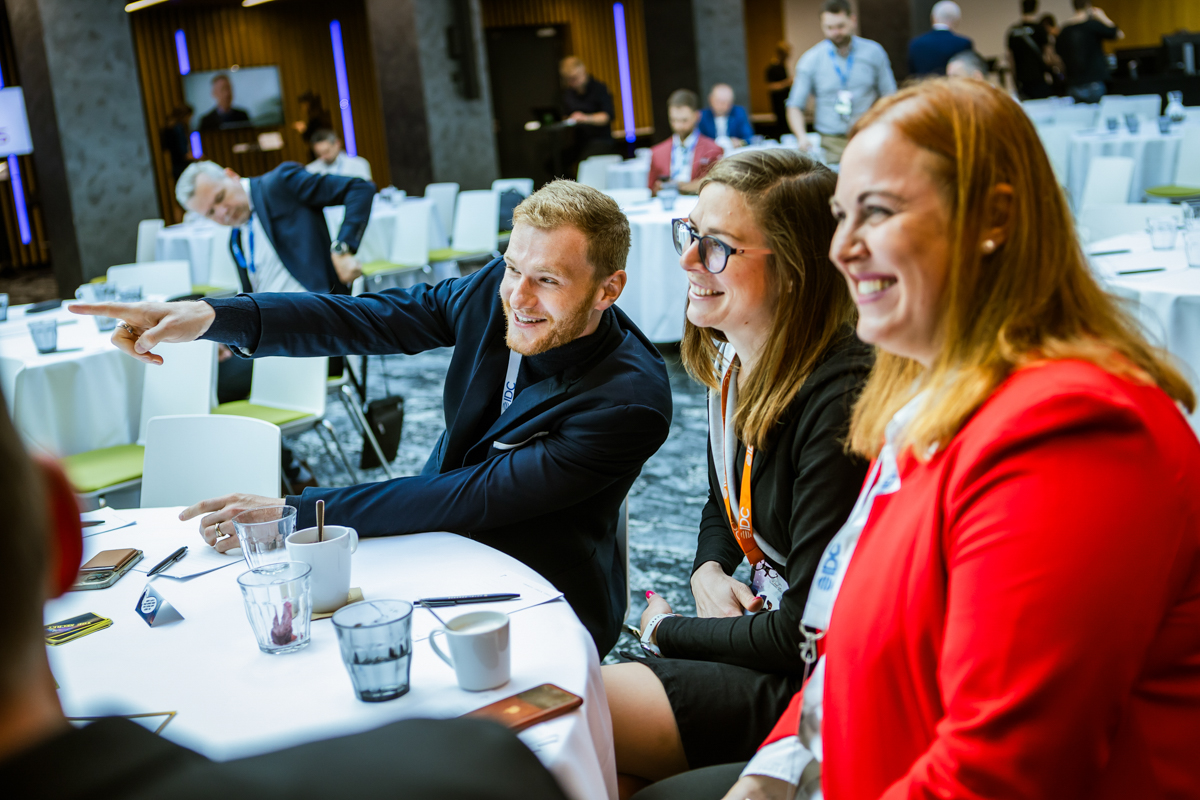
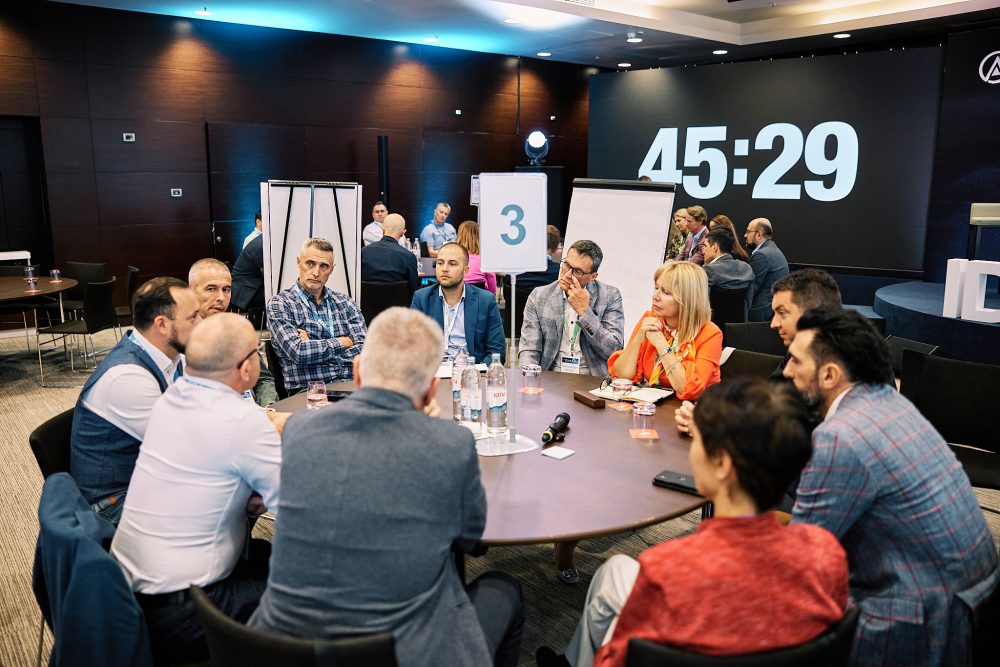

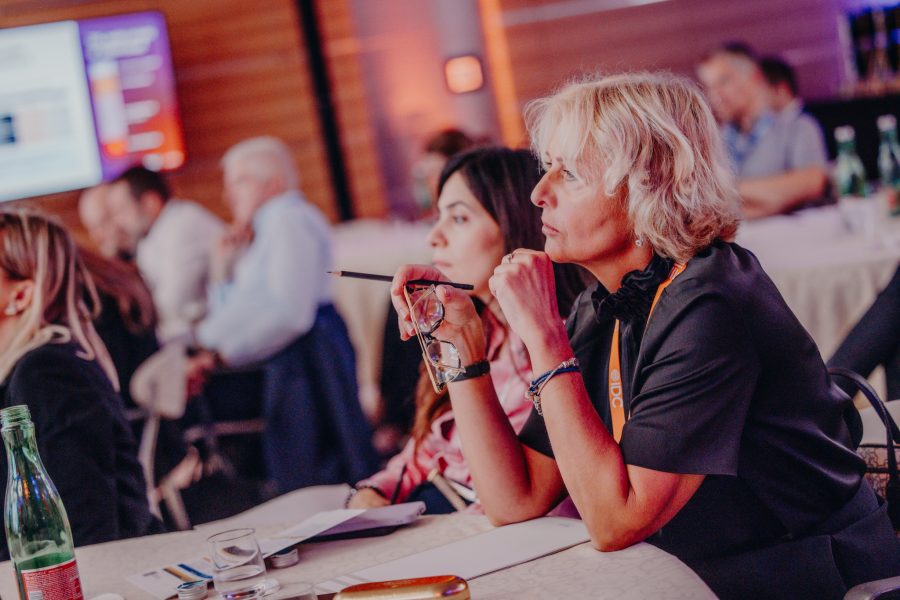
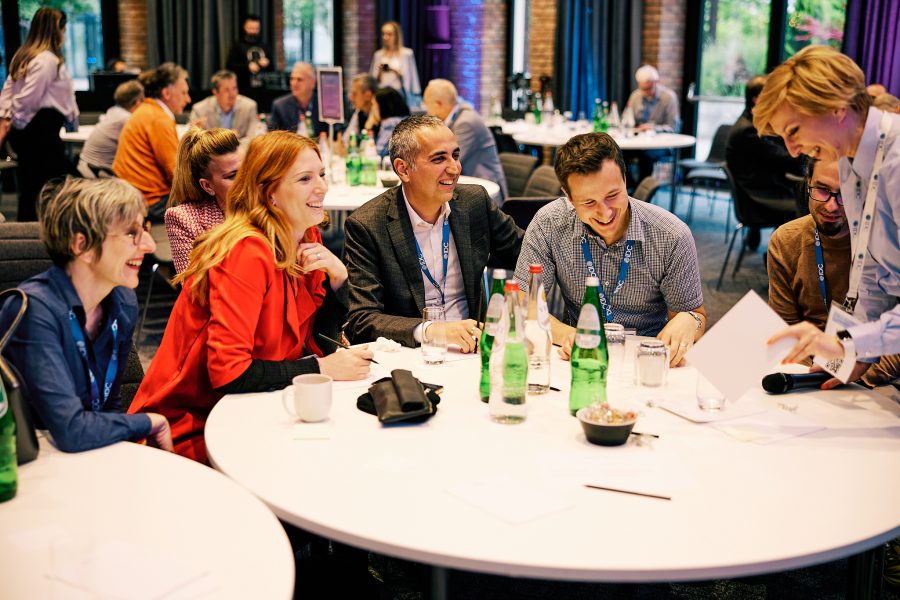
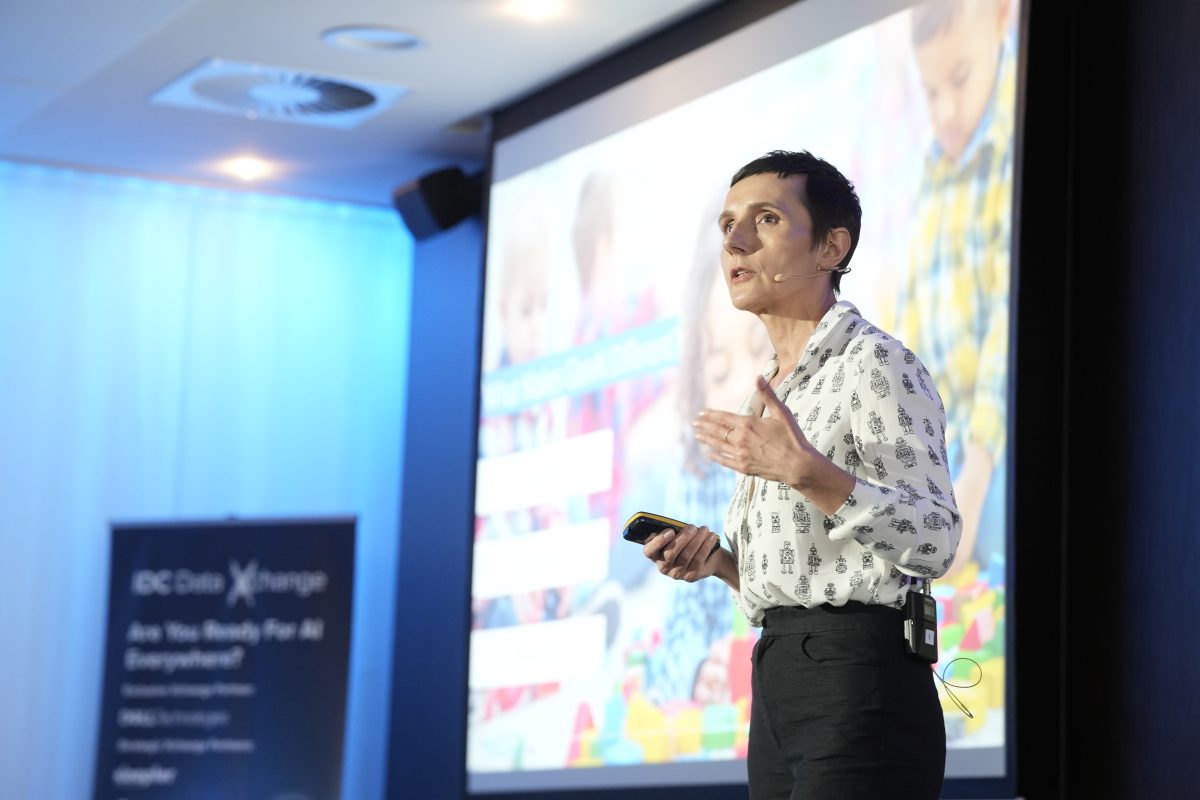
Las organizaciones europeas están navegando por un panorama de amenazas en rápida evolución, presión regulatoria y una creciente demanda de las partes interesadas (clientes, socios, reguladores) de mayor transparencia, resiliencia y confianza. La seguridad ya no se trata solo de prevenir infracciones; es un facilitador estratégico. Este evento ayudará a los líderes empresariales a comprender las palancas para construir “operaciones digitales confiables” en Europa.
Únase a los CISO, arquitectos de seguridad y líderes de regulación/cumplimiento junto con los analistas de IDC en un día de sesiones de alto nivel diseñadas para líderes empresariales y de TI de toda Europa para obtener previsión estratégica (lo que viene) y hojas de ruta prácticas (qué hacer ahora) para asegurar el futuro digital de Europa:
Explore cómo las organizaciones están alineando las inversiones en seguridad con la estrategia empresarial, bajo una creciente presión regulatoria, de amenazas y geopolítica.
Identificar qué capacidades tecnológicas definirán la ventaja competitiva en confianza y resiliencia.
Compare las variaciones regionales y de la industria: mercados de rápido crecimiento, verticales de alto riesgo, desafíos de PYMES frente a empresas.
Construir liderazgo, gobernanza y cultura en torno a la confianza, no solo al cumplimiento.
#IDCITSECURITYSUMMIT26
El IDC IT Security Summit Spain es el punto de encuentro definitivo para los líderes empresariales, de seguridad y tecnológicos que buscan integrar confianza, gobernanza y resiliencia en el corazón de su transformación digital.
Europa se encuentra en un momento estratégico decisivo. Según el último estudio de IDC, se estima que el gasto en seguridad en Europa alcanzará cerca de 60 mil millones de dólares en 2028, con una tasa de crecimiento anual compuesta aproximada del 9,4 % entre 2025 y 2029. Las organizaciones están intensificando sus esfuerzos para hacer frente al aumento de las ciberamenazas, la ampliación de marcos regulatorios como la Ley de IA de la UE, NIS2, GDPR y DORA, así como a la creciente demanda de confianza digital y soberanía por parte de los grupos de interés.
Asimismo, IDC señala que el software y las soluciones de seguridad nativas en la nube representarán la mayor parte del gasto global en seguridad para 2028, impulsadas por la aceleración en la adopción de modelos integrados y basados en análisis avanzados.
Mientras tanto, la Inteligencia Artificial está transformando profundamente el panorama de la ciberseguridad europea. Los datos de IDC muestran que el 38% de las organizaciones ya invierten en IA o IA Agentic, y otro 43% se encuentra en fase de prueba o ejecución de pilotos. Casi siete de cada diez prevén una disrupción significativa impulsada por la IA en los próximos 18 meses.
Para los responsables de seguridad, esta evolución supone una oportunidad estratégica y un nuevo frente de riesgo. La IA impulsa la detección avanzada de amenazas, la automatización y la toma de decisiones, pero también está siendo aprovechada por los adversarios para ampliar ataques y manipular datos. En respuesta, las organizaciones europeas están priorizando inversiones en análisis de seguridad basados en IA, gestión de identidades (IAM) y servicios gestionados de detección y respuesta (MDR) para mantener la resiliencia, la transparencia y la gobernanza ética.
Únase a los analistas de IDC y a líderes del sector en este evento imprescindible para descubrir cómo construir ecosistemas digitales de confianza que impulsen la innovación y garanticen la seguridad. Obtenga insights exclusivos sobre los mercados y verticales de seguridad más dinámicos de Europa, y salga con estrategias accionables para convertir la seguridad en un diferenciador competitivo, no solo en un coste operativo.
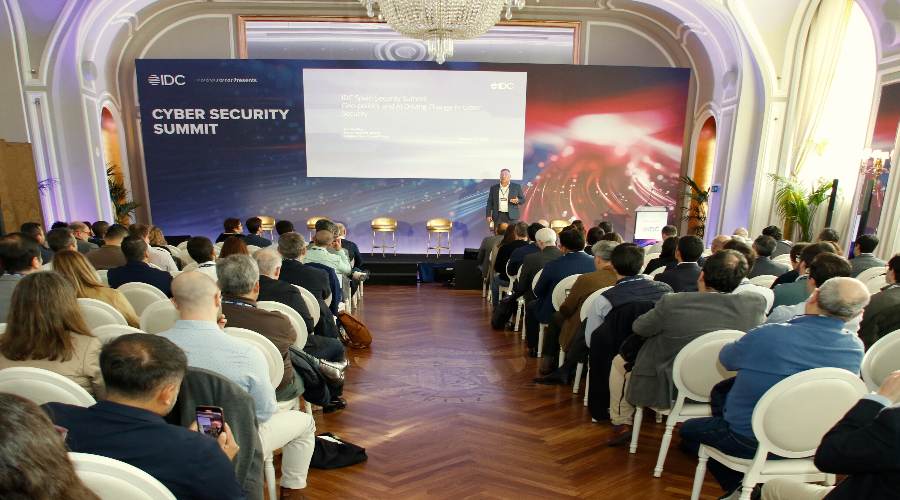
El IDC IT Security Summit España es el punto de encuentro definitivo para los líderes empresariales, de seguridad y tecnológicos que buscan integrar confianza, gobernanza y resiliencia en el corazón de su transformación digital.
By 2028, 40% of enterprises will use autonomous agent–powered cyber-risk quantification platforms to turn security metrics into financial exposure, guiding budgets, controls, and M&A risk assessments.
La inteligencia artificial y los agentes inteligentes están redefiniendo la manera en que se gestiona la seguridad, aunque este avance conlleva riesgos significativos. Abordaremos la implementación pragmática de la IA mediante modelos de gobernanza sólidos, mecanismos para prevenir el uso indebido, la priorización de casos de uso de alto impacto y la alineación de los sistemas de IA con principios de confianza, transparencia y responsabilidad.
La detección, la respuesta y la recuperación han dejado de ser eventos aislados para convertirse en ciclos continuos. Profundizaremos en analítica avanzada, servicios gestionados de detección y respuesta, orquestación, visibilidad de amenazas externas (como cadena de suministro y terceros) y métricas de resiliencia, con el objetivo de convertir la seguridad en una práctica operativa eficaz.
La tecnología por sí sola no garantiza la seguridad. Es clave que liderazgo, cultura y desarrollo de talento trabajen alineados. Nos enfocaremos en cómo transformar equipos, integrar la responsabilidad de la seguridad en todas las áreas y preparar a los líderes para comunicar riesgo y confianza de manera efectiva ante el consejo, la alta dirección y las unidades de negocio.
Las brechas de seguridad son inevitables; lo determinante es la capacidad de respuesta de la organización. Trataremos aspectos clave como la comunicación en situaciones de crisis, la respuesta forense, la gestión regulatoria, la cobertura aseguradora, la restauración de la confianza de los grupos de interés y la conversión de la adversidad en credibilidad.
Cada industria y entorno plantea exigencias únicas en materia de seguridad. Nos centraremos en la protección de infraestructuras críticas (energía, servicios públicos), dispositivos conectados e IoT, salud, sector financiero y entornos emergentes como ciudades inteligentes o sistemas industriales.
By 2028, AI agents will be triaging 80% of SOC alerts in the majority of SOCs worldwide.

Plaza de la Lealtad, 5, 28014, Madrid
Este lujoso palacio de la “belle époque” situado en el conocido Triángulo del Arte madrileño, con más de un siglo de historia, es símbolo de estilo y elegancia.

The deadline for the transposition of the EU’s second Network and Information Systems Security directive (NIS 2) came and went in October 2024 with only a handful of member states having completed the task.

At the 2025 NATO Summit in The Hague a few weeks ago, member states pledged to allocate 5% of their annual GDP to core defense requirements and defense- and security-related expenditures by 2035.

Identity and access management (IAM), and by extension, identity security, is one of the most pervasive and impactful challenges facing all European organizations today, from an operational and risk management perspective.
Don’t worry! We organize a variety of events designed to inspire original ideas, share the latest industry insights, and connect professionals like you. Simply sign up for event invitations, and we’ll notify you whenever a new event matches your interests.
Sign up



C-suites across verticals and company sizes are looking to architect a digital infrastructure foundation to meet their three core goals: innovation with AI, cost optimization, and ensuring resilience and control.
A well-architected hybrid cloud infrastructure is the backbone of organizations enabling them to meet these business objectives.
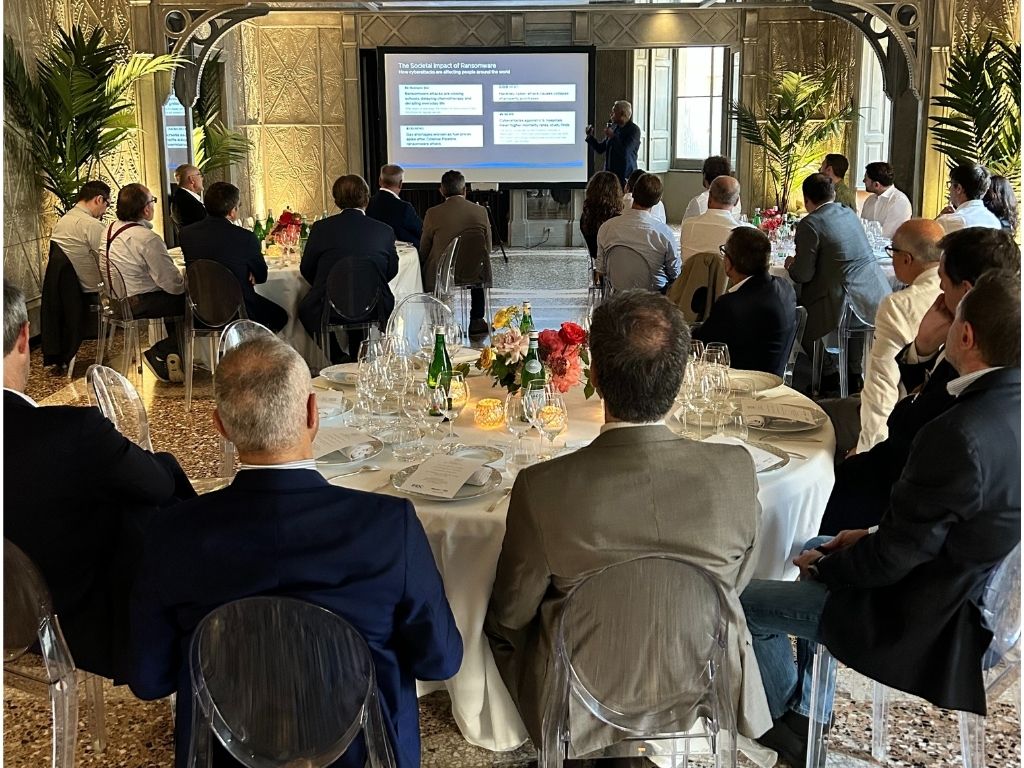
About 8 in every 10 organizations are running hybrid cloud environments combining primarily an on-premises estate and public cloud. But only 12% of organizations IDC surveyed in September 2025 (IDC Multicloud Strategies Survey, EMEA) identified themselves as having an infrastructure that is mature, optimized and tightly aligned to business value or innovation.
It is no surprise that IT modernization is consistently among top three areas where organizations are increasing IT budgets despite economic and geopolitical uncertainties, according to IDC research.
This is driven by how current hybrid cloud equation is changing with tectonic shifts in the landscape. The biggest shift includes how on-premises estates are becoming more expensive to maintain – a trend that is unlikely to change. This makes status quo a risky strategy. A combination of c-suite’s laser focus on value, pressure on application modernization and, tightening regulations around resilience requires future-ready action from IT and business leaders.
This executive dinner roundtable will focus on how customers are evaluating their on-premises estate and how the landscape shift is influencing their IT modernization strategies.
Hosted and moderated by IDC at Kimpton Fitzroy London on 9th December, this roundtable will bring together an exclusive group of IT, business and cloud decisionmakers alongside infrastructure and public cloud industry experts to discuss the imperatives, challenges and best practices in IT modernization.
The questions and discussions explored in this Chatham House style conversation will explore the topic holistically for actionable insights on addressing cost, risks and disruption-related challenges in on-premises transformation.
The event offers a unique opportunity to engage with industry experts, exchange perspectives, and, most importantly, share your own experiences and challenges for a confident way forward to meeting business objectives.
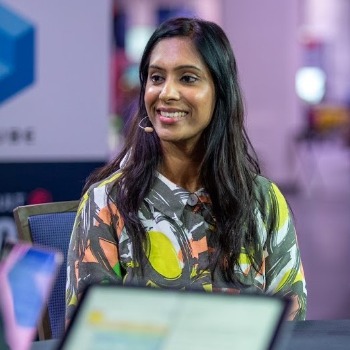
Archana Venkatraman
Senior Director Research, Cloud Data Management, IDC

Nic O’Brien
AWS Senior Migration Manager, AWS

Martin Blackburn
Senior Director – Cloud and Security, NTT DATA
Archana Venkatraman
Senior Director Research, Cloud Data Management, IDC
Nic O’Brien
AWS Senior Migration Manager, AWS
Martin Blackburn
Senior Director – Cloud and Security, NTT DATA
Senior Director Research, Cloud Data Management
IDC
Read bio
Archana Venkatraman is a Senior Director for IDC’s European Datacenter Research. She covers datacenter technologies including software-defined infrastructures, storage and data management, virtualization, containers, hyperconverged infrastructure, infrastructure performance monitoring, systems management, application development, and cloud services.
Archana also leads IDC’s European thought leadership program on open source technologies. She also contributes to European Digital Transformation, DevOps, Blockchain and IoT research practices.
Before joining IDC, Venkatraman was the datacenter editor at Computer Weekly, the digital magazine and website for IT professionals based in London, where she focused on datacenters, server virtualization, storage, open source technologies, software-defined infrastructures, and cloud computing, liaising with enterprise CIOs and technology vendors to develop deeper insight into the enterprise IT industry. Venkatraman has a master’s degree in journalism from Mumbai University.

AWS Senior Migration Manager
AWS
Read bio
Nic O’Brien is the Global Delivery Lead for the AWS Migration Acceleration Program (MAP). He has been with AWS for 7 years, working exclusively on the MAP program since it started in 2017. Before joining AWS, his career began with a focus on economics, from University of London. He has extensive experience in the IT industry, having worked for various organizations including General Electric and a software business. He spent a significant part of his career in sales roles for large global systems integrators, concentrating on IT outsourcing. He also worked at Avanade, a joint venture between Microsoft and Accenture, where he helped companies with their digital transformation. This experience led him to join AWS to launch the MAP program to partners in EMEA before moving into his current worldwide position.

Senior Director – Cloud and Security
NTT DATA
Read bio
For over 15 years, Amazon Web Services has been the world’s most comprehensive and broadly adopted cloud platform. AWS offers more than 398 fully featured services spanning compute, storage, databases, networking, analytics, machine learning and artificial intelligence (AI), Internet of Things (IoT), security, and application development. With 123 Availability Zones across 39 geographic regions globally, and announced plans for 7 additional Availability Zones and 2 more AWS Regions in the Kingdom of Saudi Arabia and Chile, AWS provides the infrastructure to support virtually any cloud workload.
Millions of customers—including the fastest-growing startups, largest enterprises, and leading government agencies—trust AWS to power their infrastructure, accelerate innovation, and reduce costs. AWS continues to invest in expanding its global footprint and service capabilities to help organizations of all sizes transform their businesses and achieve their goals.
NTT DATA – a part of NTT Group – is a trusted global innovator of IT and business services headquartered in Tokyo. We help clients transform through consulting, industry solutions, business process services, IT modernization and managed services. NTT DATA enables clients, as well as society, to move confidently into the digital future. We are committed to our clients’ long-term success and combine global reach with local client attention to serve them in over 50 countries.

Patrocinado por

IDC y Cohesity le invitan al almuerzo exclusivo: “Ciber-resiliencia y seguridad de datos en una era de disrupción constante”, que tendrá lugar el próximo 11 de febrero en el prestigioso Restaurante Atempo, con una Estrella Michelín (Carrer de Còrsega, 200, L’Eixample, 08036 Barcelona).
En 2026, las empresas españolas se enfrentan a un entorno de amenaza constante: el cibercrimen no solo persiste, sino que se ha consolidado como una industria imparable —altamente rentable, estructurada y fácil de escalar—. La mayor digitalización, el uso ofensivo de la IA y la complejidad de las cadenas de suministro han llevado la ciberseguridad del área técnica al comité de dirección. La pregunta clave hoy es: ¿somos realmente ciber-resilientes? En IDC entendemos la ciber-resiliencia como la capacidad de minimizar el impacto de un ataque y recuperar rápidamente la operativa esencial, apoyándose en procesos y tecnologías que permitan anticipar, resistir, responder y recuperarse.
El estudio IDC EMEA Security Tech and Strategies 2025 aporta datos que ilustran esta realidad. La prioridad operativa número uno en España es crear una cultura de seguridad (35%), reflejando que sin un cambio humano y organizativo no hay progreso real. Al mismo tiempo, casi la mitad de las organizaciones señala que su principal desafío es equilibrar las prioridades de seguridad con los objetivos del negocio. En este contexto, la protección del dato se consolida como un eje crítico, y contar con soluciones avanzadas de backup moderno, recuperación instantánea y defensa frente a ataques de ransomware se ha convertido en un componente imprescindible para garantizar la continuidad del negocio y reforzar la resiliencia frente a incidentes.
Le invitamos a este almuerzo donde abordaremos qué significa ser ciber-resiliente en 2026, cómo reconciliar negocio y riesgo, y el papel decisivo que juegan las soluciones de protección y recuperación del dato —incluyendo backup, restauración rápida y arquitecturas zero-trust para el dato— para sostener una estrategia integral de resiliencia y seguridad.
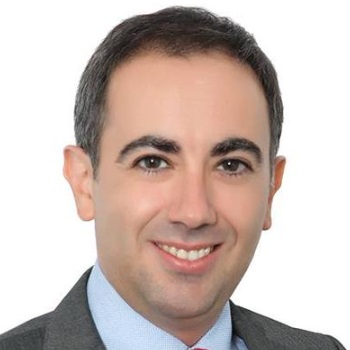
Daniel-Zoe Jimenez
Vice President Research, IDC
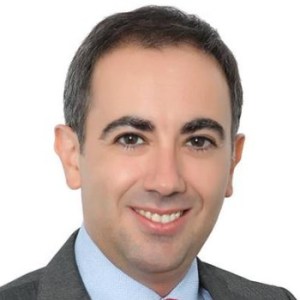
Vice President Research
IDC
Read bio
Daniel-Zoe Jimenez is Associate Vice President for IDC’s Asia/Pacific region, based in Singapore. He leads the regional Digital Transformation (DX), Future Enterprise and SMB research practices.
Daniel provides strategic advisory services to the C-Suite (CIOs, CDOs, CMOs, CHROs and CFOs) on how to develop and leverage new business, technology (e.g. AI and Analytics, Cloud, Mobility, IoT) and operating models to become more competitive. He delivers workshops and strategic engagements for customers across Asia/Pacific such as assessing maturity, identifying gaps, crafting strategies and technology roadmaps, determining ecosystem readiness, metrics (KPIs), and skills required to drive growth and profitability.
Daniel leads a team of analysts across Asia/Pacific who provide thought leadership research and insights to technology buyers, suppliers and government institutions on the impact that the evolving market changes, and the new and established technologies have on their businesses.
Earlier in IDC, Daniel was the co-lead for the Big Data/Analytics research practice. Today, he also has a leading role in the Asia/Pacific customer experience (CX), marketing, commerce and broader enterprise applications (e.g. ERP, HCM and CRM) research.
Daniel is a frequent speaker at IDC and client events, as well as in seminars in the region; and is often quoted in business and IT publications.
Daniel has more than 20 years of international experience with large organizations worldwide, from consulting to ICT and market research. Prior to joining IDC, Daniel worked for four years with Fujitsu Services handling presales and marketing roles. He also held a global role with Accenture for almost four years in the marketing and presales groups within the Financial Services Group. At Datamonitor’s London office, Daniel held the positions of research manager and business analyst, covering the internet, telco and mobility markets.
Daniel holds a Bachelor in Philosophy degree with focused on Science, Mind, and Language — courses in Psychology and Anthropology from the Autonomous University of Barcelona, Spain.

Cohesity is the leader in AI-powered data security. Over 13,600 enterprise customers, including nearly 70% of the Global 500, rely on Cohesity to strengthen their resilience while providing Gen AI insights into their vast amounts of data. Formed from the combination of Cohesity with Veritas’ enterprise data protection business, the company’s solutions secure and protect data on-premises, in the cloud, and at the edge. Backed by NVIDIA, IBM, HPE, Cisco, AWS, Google Cloud, and others, Cohesity is headquartered in Santa Clara, CA, with offices around the globe. To learn more, follow Cohesity on LinkedIn, X, and Facebook.

Una experiencia gastronómica de estrella Michelin cercana y dinámica con el sello de Jordi Cruz y con Iñaki Aldrey al mando.