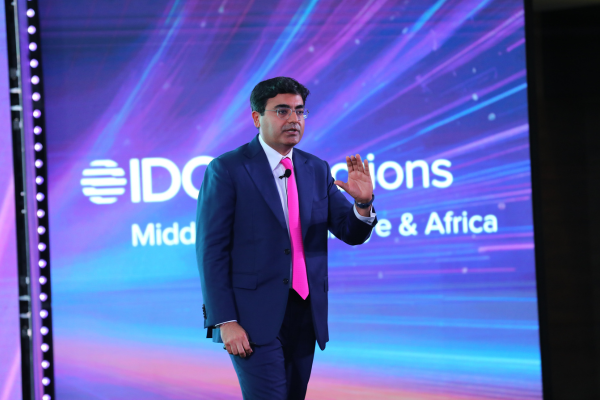
Exploring best practices and innovative strategies for managing security operations.
Application and Cloud Security
Focusing on methods and technologies for securing applications and cloud environments.
AI in Cybersecurity
Discussing advancements and applications of artificial intelligence in cybersecurity.
Network Security
Covering the latest trends and technologies in securing networks.
Supply Chain Vulnerabilities
Addressing the identification and mitigation of risks related to third-party vendors and suppliers.
Key Themes
The Summit will spotlight how innovation, intelligence, and resilience are reshaping enterprises through AI, cloud modernization, agentic architectures, and cybersecurity.
Regulatory compliance is no longer a back-office burden, it’s a strategic enabler. We will explore how organizations can embed regulatory mandates (data privacy, cybersecurity laws, emerging AI/tech rules) into core operations, turning requirements into levers for resilience, stakeholder trust, and business value. Key topics include cyber-by-design, auditability, vendor accountability, and continuity in the face of disruption.
Digital Sovereignty and Trust Architecture
In Saudi Arabia’s rapidly expanding digital ecosystem, maintaining control over data, infrastructure, and vendor relationships is fundamental to national priorities. We will explore how organizations can align with sovereignty requirements — including data residency, local hosting, and reduced vendor dependency
Future-Ready Technology and Modernization
Many enterprises struggle with fragmented IT portfolios, technical debt, and legacy constraints. This theme addresses how to modernize intelligently — consolidating platforms, improving observability, and building future-ready architectures that scale, adapt, and support secure innovation.
AI, Automation and Responsible Innovation
AI and intelligent agents are transforming how security is delivered, but with great power comes risk. We will explore pragmatically deploying AI: governance models, guardrails for misuse, prioritization of high-impact use cases, and aligning AI systems with trust, transparency, and accountability.
Operations, Analytics and Resilience Engineering
Detection, response, and recovery are now continuous cycles rather than discrete events. We’ll delve into advanced analytics, managed detection & response, orchestration, external threat visibility (supply chain, third parties), and resilience metrics to operationalize security effectiveness.
The Human Factor: Leadership and Culture
Technology alone doesn’t guarantee security. Leadership, culture, and skill development must align. We will focus on transforming teams, embedding security ownership across functions, and equipping leaders to speak the language of risk and trust to the board, CEOs, and business lines.
Incident and Trust Recovery
Security incidents will happen, but what matters is how an organization responds. We will cover crisis communication, forensic response, regulatory handling, insurance, stakeholder trust restoration, and turning adversity into credibility.
Sector-Focused Security Insights
Different industries and environments in Saudi Arabia pose unique security demands. We will focus on securing critical infrastructure (energy, utilities), connected devices and IoT, healthcare, finance, and rapidly evolving environments such as smart cities, industrial systems, and large-scale national development projects.
Exploring best practices and innovative strategies for managing security operations.
Application and Cloud Security
Focusing on methods and technologies for securing applications and cloud environments.
AI in Cybersecurity
Discussing advancements and applications of artificial intelligence in cybersecurity.
Network Security
Covering the latest trends and technologies in securing networks.
Supply Chain Vulnerabilities
Addressing the identification and mitigation of risks related to third-party vendors and suppliers.
Key Themes
The Security Xchange will spotlight how innovation, intelligence, and resilience are reshaping enterprises through AI, cloud modernization, agentic architectures, and cybersecurity.
Regulatory compliance is no longer a back-office burden, it’s a strategic enabler. We will explore how organizations can embed regulatory mandates (data privacy, cybersecurity laws, emerging AI/tech rules) into core operations, turning requirements into levers for resilience, stakeholder trust, and business value. Key topics include cyber-by-design, auditability, vendor accountability, and continuity in the face of disruption.
Digital Sovereignty and Trust Architecture
In Qatar’s rapidly expanding digital ecosystem, maintaining control over data, infrastructure, and vendor relationships is fundamental to national priorities. We will explore how organizations can align with sovereignty requirements — including data residency, local hosting, and reduced vendor dependency.
Future-Ready Technology and Modernization
Many enterprises struggle with fragmented IT portfolios, technical debt, and legacy constraints. This theme addresses how to modernize intelligently — consolidating platforms, improving observability, and building future-ready architectures that scale, adapt, and support secure innovation.
AI, Automation and Responsible Innovation
AI and intelligent agents are transforming how security is delivered, but with great power comes risk. We will explore pragmatically deploying AI: governance models, guardrails for misuse, prioritization of high-impact use cases, and aligning AI systems with trust, transparency, and accountability.
Operations, Analytics and Resilience Engineering
Detection, response, and recovery are now continuous cycles rather than discrete events. We’ll delve into advanced analytics, managed detection & response, orchestration, external threat visibility (supply chain, third parties), and resilience metrics to operationalize security effectiveness.
The Human Factor: Leadership and Culture
Technology alone doesn’t guarantee security. Leadership, culture, and skill development must align. We will focus on transforming teams, embedding security ownership across functions, and equipping leaders to speak the language of risk and trust to the board, CEOs, and business lines.
Incident and Trust Recovery
Breaches will happen, but what matters is how an organization responds. We will cover crisis communication, forensic response, regulatory handling, insurance, stakeholder trust restoration, and turning adversity into credibility.
Sector-Focused Security Insights
Different industries and environments in Qatar pose unique security demands. We will focus on securing critical infrastructure (energy, utilities), connected devices and IoT, healthcare, finance, and rapidly evolving environments such as smart cities, industrial systems, and large-scale national development projects.
From Strategy to Execution: An Accelerated Path to Measurable Business Value
The Middle East and Africa (MEA) region is at a critical inflection point in its AI and automation journey. While organizations have made progress deploying AI and automation across business and IT functions, many efforts remain fragmented, underutilized, and lacking clear ROI, with limited strategic cohesion needed to scale.
As national digital transformation agendas intensify—with defined timelines, ambitious targets, and mounting competitive pressure—technology leaders face increasing urgency to drive tangible, bottom-line outcomes from automation and AI investments.
Being aware of these challenges, organizations in MEA are now demanding automation that goes beyond task execution to deliver AI-augmented, integrated, and outcome-driven business and IT operations with clear value realization.
Achieving this requires orchestrating AI and automation consistently across processes, systems, and teams—underpinned by measurable outcomes, strong governance, and alignment to commercial priorities—through a business automation platform-led approach.
By converging Agentic AI with Business Automation in a single, unified platform, leaders can remove structural silos, drive adoption at scale, and unlock measurable business value.
Why Attend
This webinar delivers a practical, ROI-focused blueprint for scaling automation and Agentic AI across the enterprise. It equips technology and business leaders with actionable insights to:
Shift from opportunistic pilots to scalable, value-led automation initiatives
Overcome fragmented efforts by adopting a unified platform strategy
Operationalize governance and performance metrics to track business impact
Demonstrate cost savings, productivity gains, and time-to-value acceleration
Join us to learn how MEA’s forward-looking business and technology leaders can drive a cohesive, revenue-impacting automation strategy, specifically designed for the Agentic AI era.
Agenda
The ROI Blueprint for Business Automation in the Agentic AI Era
Associate Research Director, IT Services & Software (META), IDC
11:10 am
Capitalizing on the Business Automation Opportunity in an Agentic AI Era
This session examines how organizations across the Middle East and Africa can capitalize on business automation as AI transitions from experimentation to enterprise-scale execution. It explores AI-augmented automation use cases, scaling challenges, and the path toward agentic AI through business automation, offering practical guidance on prioritization and actionable recommendations for technology buyers.
Melih Murat
Associate Research Director, IT Services & Software (META), IDC
11:30 am
Agentic Orchestration: From Hype to Operating Model
The conversation has shifted from “AI can do anything” to the real question: how do we operationalize AI that takes action—safely and at scale? This session reframes agentic automation as an operating model transformation, not a tooling upgrade.
We’ll break down the core pillars required for enterprise adoption: orchestration, agents, and a governance layer that ensures control, auditability, and resilience. You’ll explore practical options to implement agentic orchestration—from platform-led approaches to agent-first tooling and custom builds—and learn how to choose the right path based on your organization’s maturity, readiness, and risk tolerance.
The session closes with how Nintex helps enterprises industrialize agentic automation by enabling governed orchestration across people, systems, workflows, and AI—regardless of the implementation model you adopt.
Amr Fouad
Director Solutions Engineering, Nintex
11:50 am
Open Discussion: Architecting Enterprise Value: Scaling AI and Automation in the Agentic Era
As organizations accelerate their journey toward AI and automation, the convergence of these technologies is redefining the blueprint for sustainable business value. This panel brings together subject matter experts and leaders who are architecting the next wave of digital business in the agentic AI era, leveraging emerging AI and automation technologies cohesively.
Panelists will share how organizations are moving beyond isolated deployments to enterprise-scale initiatives, embedding AI agents into workflows to drive operational resilience, innovation, and measurable outcomes. They will also highlight how agentic AI transforms business processes, decision-making, workforce roles, and value creation.
Melih Murat
Associate Research Director, IT Services & Software (META), IDC
Amr Fouad
Director Solutions Engineering, Nintex
12:20 pm
Summary
12:30 pm
Close of Webinar
Speakers
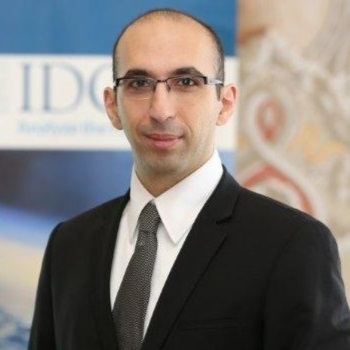
Melih Murat
Associate Research Director, IT Services & Software (META)
IDC
Read Bio
Melih Murat
IDC
Associate Research Director, IT Services & Software (META)
In his role as associate research director for IT services and software across the Middle East, Turkey, and Africa (META), Melih drives IDC’s regional research and consulting engagements in the areas of IT services, Cloud, artificial intelligence (AI), and intelligent automation.
He first joined IDC in 2012 as a senior research analyst located out of IDC’s Istanbul office, with various responsibilities for the firm’s IT services, cloud computing, software, and telecom domains — both in Turkey and across the wider META region. Between 2016 and 2021, Melih headed the international marketing and investor relations practice at P.I. Works, a global automation and AI software vendor that serves telecom operators.
Now back at IDC, Melih is leveraging his vast experience in the IT services, cloud, software, and telecommunications domains to advise clients on go-to-market strategies, technology marketing and promotion activities, and market trends analysis. He is also driving a wide variety of research and consulting projects across the META region.
Melih has also previously served as enterprise channel and marketing manager at Nortel Turkey and as business development and strategy manager at Netaş, one of the leading systems integrators in Turkey and a former Nortel subsidiary. He possesses a bachelor’s degree in electrical engineering and received his MBA from Esslingen University of Applied Sciences in Germany. He has worked as a business development specialist at HP and wrote his MBA thesis for the company, covering European retail channel trends and winning strategies for channel businesses.
Event Sessions
Tuesday, January 27 2026 11:50 am | Location:
Open Discussion: Architecting Enterprise Value: Scaling AI and Automation in the Agentic Era
As organizations accelerate their journey toward AI and automation, the convergence of these technologies is redefining the blueprint for sustainable business value. This panel brings together subject matter experts and leaders who are architecting the next wave of digital business in the agentic AI era, leveraging emerging AI and automation technologies cohesively.
Panelists will share how organizations are moving beyond isolated deployments to enterprise-scale initiatives, embedding AI agents into workflows to drive operational resilience, innovation, and measurable outcomes. They will also highlight how agentic AI transforms business processes, decision-making, workforce roles, and value creation.
Tuesday, January 27 2026 11:10 am | Location:
Capitalizing on the Business Automation Opportunity in an Agentic AI Era
This session examines how organizations across the Middle East and Africa can capitalize on business automation as AI transitions from experimentation to enterprise-scale execution. It explores AI-augmented automation use cases, scaling challenges, and the path toward agentic AI through business automation, offering practical guidance on prioritization and actionable recommendations for technology buyers.
Open Discussion: Architecting Enterprise Value: Scaling AI and Automation in the Agentic Era
As organizations accelerate their journey toward AI and automation, the convergence of these technologies is redefining the blueprint for sustainable business value. This panel brings together subject matter experts and leaders who are architecting the next wave of digital business in the agentic AI era, leveraging emerging AI and automation technologies cohesively.
Panelists will share how organizations are moving beyond isolated deployments to enterprise-scale initiatives, embedding AI agents into workflows to drive operational resilience, innovation, and measurable outcomes. They will also highlight how agentic AI transforms business processes, decision-making, workforce roles, and value creation.
Tuesday, January 27 2026 11:30 am | Location:
Agentic Orchestration: From Hype to Operating Model
The conversation has shifted from “AI can do anything” to the real question: how do we operationalize AI that takes action—safely and at scale? This session reframes agentic automation as an operating model transformation, not a tooling upgrade.
We’ll break down the core pillars required for enterprise adoption: orchestration, agents, and a governance layer that ensures control, auditability, and resilience. You’ll explore practical options to implement agentic orchestration—from platform-led approaches to agent-first tooling and custom builds—and learn how to choose the right path based on your organization’s maturity, readiness, and risk tolerance.
The session closes with how Nintex helps enterprises industrialize agentic automation by enabling governed orchestration across people, systems, workflows, and AI—regardless of the implementation model you adopt.
Nintex is the global standard for process intelligence and automation. Today more than 8,000 public and private sector organizations across 90 countries turn to the Nintex Process Platform to accelerate progress on their digital transformation journeys by quickly and easily managing, automating and optimizing business processes.
For more information, please visit www.nintex.com and experience how Nintex and its global partner network are shaping the future of intelligent process automation.
Gungor Bingul studied Mathematical Engineering at Yıldız Teknik University and MBA at Yeditepe University. In 1997 he started his career as System Network Pecialist at BIM A.S., between 1998 and 2000 worked at Uzel Makina as SAP System Manager. Since 2004 Mr. Birgul is working at Korozo A.Ş. as CIO.
He received his bachelor’s degree in Management Information Systems from Boğaziçi University. He worked as Business Analyst & Project Manager in Turkcell and Türk Telekom (Avea). In 2010, he worked as a Business Development Manager and Miles & Smiles Loyalty Program & CRM Department Manager roles at Turkish Airlines. In 2012, he joined Teradata as Senior Industry Lead and managed Telecommunications and Media sector in Turkey as well as within EMEA region. In particular, he served in the area of large data and analytics solutions for more than 3 years, and was appointed as the Vice President of Digital Services at Turkish Airlines in 2016 January. He managed digital channels & services of Turkish Airlines and Anadolujet brands and the airport passenger systems. On November 1, 2018, he joined Vakıf Katılım Bankası as Chief Information Officer, responsible for information technology and digital banking.
Metin Demirel, with over 30 years of experience in both Turkish and international business, graduated from the Computer Engineering Department of Boğaziçi University in 1992. He began his career at Aknet, the information technology subsidiary of Akbank, and later transitioned to Sulzer Medica Intermedics in the United States in 1995. After serving in various information technology departments of Fortune 500 companies across different sectors in the USA, he founded his own company, Midsoft, in 2004.
In 2006, he returned to Turkey and held management and C-level executive positions at companies such as Aksigorta, Zürich Sigorta, and Tofaş. Since July 2023, he has been serving as the Director of Digital at Sabancı Holding. Additionally, Metin Demirel is a graduate of the Koç University Executive MBA program.
Gökhan Gökçay is Senior Vice President responsible for Digital, Payments and Data Technology in Akbank. He considers ‘information’ as a shared corporate asset and aims to produce solutions generating value and actionable insight. Prior to Akbank, Gökhan was SVP responsible for Information, Customer and Workflow Management solutions in Yapi Kredi, and the head of Financial Services industry in NTT Data Turkey where he delivered transformation programs for leading banks and telcos. He also worked for other technology consulting companies such as CSC and Siemens Nixdorf, and served large corporates such as Lloyds Bank, Barclays Capital and Legal & General. Gökhan has Bachelor and Master’s degrees in Computer Science from Boğazici University.
Born in 1967 in İstanbul, Kemal Kaplan graduated from Akdeniz University Electronic Engineering department. He worked in Sony, Netaş, Pimaş and Yapı Kredi Bank as a specialists and in Esbank, Etibank, ZB and HSBC Bank as an administrative. He has participated in various projects about reconstruction, integration of financial organizations, call-centers, credit-cards, ATM and banking applications/technologies and health application/technologies. Besides his studies on mobile technologies, wearable technologies and Research and Development projects, during various seminars he has been sharing his experiences on health technologies with the industry. He works as a technological consultant in some public organizations on behalf of Acıbadem Sağlık Grubu. He’s a member of the Board of Management of Life Sciences and Information Technologies in Health Organization. He currently works as an Information Technologies Director in charge of technological management in Acıbadem Sağlık Grubu hospitals, university and all subsidiaries.
Position your brand at the forefront of the region’s premier CIO community. This results-driven platform is designed to maximize engagement and ROI for solution providers.
KoçSistem, one of the leading players in information technology sector, summarizes its corporate mission by the motto “Your imagination is our strength”, and helps its customers to attain their goal of sustainable growth rate with its strategy “creating a difference” by providing them unique technology solutions and outsourcing services. KoçSistem has been one of the leading companies in the field of information technology solutions in Turkish Information Technologies Sector since 1945. In accordance with the approach “end to end services”, KoçSistem has adopted the principle of providing service beyond expectations of the customers with its customized special technological solutions.With its service centers throughout Turkey, KoçSistem provides unconditional customer satisfaction by managing information effectively and appropriately, taking position against global competition, targeting to turn its customer’s imaginations into reality, using its rapid and solution-based system and gaining confidence from its experience of 65 years. In order to perpetuate its unique position in Turkey, KoçSistem combines its corporate capabilities and creativity with the power of the world’s largest technology producers and providers by establishing strategic joint ventures. In the 2009 report of IDC, KoçSistem ranked 2nd in the Turkish Information Technologies Services Market. KoçSistem grew by 30% (on the basis of Turkish Lira) at the end of 2009 in comparison with the previous year.
With our company, Turkcell DBS (Turkcell Digital Business Services), established in 2019, we assume the role of “Digital Transformation Consultant,” leveraging our superior technological infrastructure and 30 years of Turkcell experience. We accompany organizations on their digitalization journeys, offering end-to-end digital business solutions. We offer a wide range of services across various domains, including access services, cybersecurity, data centers, cloud technologies, system integration and managed services, business applications, and next-generation technologies, all built upon a robust infrastructure. Since our inception, we have embarked on over 7,000 projects, thanks to our investments and strong performance. In line with our goal of making our country a leading hub for data and cloud technologies globally, we are heavily investing in local data. With over 2,500 corporate customers served in our data centers and more than 150 expert employees dedicated to cybersecurity, we ensure their security round the clock.Through our team of industry experts, we provide projects that will set our customers in key sectors such as healthcare, education, manufacturing, retail, finance, logistics, energy, tourism, SMEs, and central and local governments apart in competition. Our successful performance has led us to be recognized as the leader in the IT service market in the year 2020, according to the annual sector evaluation report by IDC, a renowned market research company. In the forthcoming periods, we will continue to stand by our corporate customers in their journey towards digitalization.
Softtech is one of Turkey’s leading technology companies, operating with more than 1,600 employees since 2006. Through its subsidiary company Maxitech in Silicon Valley, it follows the technology trends in the world and develops customer-oriented solutions by digitalizing its business partners operating in different fields with its experience in the banking and finance sector. Adopting a maximum automation approach based on artificial intelligence, Softtech, in addition to these studies, produces creative and sustainable solutions by including innovation and in-house entrepreneurship in its main strategy.
OBSS, Turkey’s largest software development and consultancy company, has a team of over 850 experts and 30 architects. We offer data analytics, AI solutions, and technology consulting to drive innovation across industries. With 19 years of experience, we specialize in banking, insurance, and e-commerce, designing systems for up to 20 million users and 150 million daily transactions. Partnering with 6 of Turkey’s top 10 banks, our services include tech consultancy, product development, agile development, microservices, DevOps, and cloud computing. Collaborating with Amazon, Microsoft, and others, we have offices in Istanbul, Ankara, Amsterdam, London, and Azerbaijan.
MechSoft is one of the well known software solution provider/digitizing companies in Turkey. MechSoft has completed hundreds of national and international projects very successfully and shown as one of the fastest growing IT companies. MechSoft is partnering with international software companies that are leader in their areas and make his customers work more efficiently, cost effectively and competitively in their business.
MechSoft is supporting his customers in their digitalization journey. Our solutions include, document management, business process management, quality management, CRM, marketing automation, social collaboration and IT performance management. In these areas, MechSoft is serving hundreds of customers in various sectors such as finance, insurance, telecom, e-commerce, education, government, municipality, construction, etc.
MechSoft is awarded with the certificate of “Best Workplaces 2024” by the Great Place to Work Institute in Turkey. It’s one of the most valuable international certificate that honor the companies who create an outstanding employee experience. Additionally, MechSoft also obtained the “Best Workplaces in Technology 2023” Certification.
MechSoft continues his growth with the trust and energy getting from his customers and aims to be the “Trusted IT Advisor” for his customers during their digitalization journey.
Trend Micro, a global cybersecurity leader, helps make the world safe for exchanging digital information. Fueled by decades of security expertise, global threat research, and continuous innovation, Trend Micro’s cybersecurity platform protects hundreds of thousands of organizations and millions of individuals across clouds, networks, devices, and endpoints. As a leader in cloud and enterprise cybersecurity, the platform delivers a powerful range of advanced threat defense techniques optimized for environments like AWS, Microsoft, and Google, and central visibility for better, faster detection and response. With 7,000 employees across 65 countries, Trend Micro enables organizations to simplify and secure their connected world.
Eteration has been guiding companies on their digital transformation journeys for over 20 years, leveraging its expertise in software development, cloud technologies, DevOps, and microservices architecture. From mobile and web projects to integration processes and e-commerce solutions, Eteration delivers tailored, scalable, and sustainable software solutions at every stage to meet the unique needs of companies.
HCLTech is a global technology company, home to more than 223,000 people across 60 countries, delivering industry-leading capabilities centered around digital, engineering, cloud and AI, powered by a broad portfolio of technology services and products. We work with clients across all major verticals, providing industry solutions for Financial Services, Manufacturing, Life Sciences and Healthcare, High Tech, Semiconductor, Telecom and Media, Retail and CPG, and Public Services. Consolidated revenues as of 12 months ending June 2025 totaled $14 billion. To learn how we can supercharge progress for you, visit hcltech.com.
Mendix, a Siemens business and the global leader in enterprise low-code, is reinventing how applications are built in the digital enterprise. With Mendix, enterprises can broaden development capability; make intelligent, proactive, and contextual apps; and modernize core systems, while maintaining security, quality, and governance. Globally, 5,000 companies use Mendix.
Oredata is a leading provider of advanced cloud technologies, data analytics, and AI solutions, with a strong focus on driving digital transformation and innovation. As a Google Cloud Managed Service Provider (MSP) Partner and a two-time recipient of Google Cloud’s ‘Partner of the Year’ award in the MENAT region, Oredata enables organizations to harness the full potential of cloud, data, and AI to achieve their strategic objectives. With deep expertise in cloud infrastructure, business intelligence, analytics, and Generative AI, Oredata consistently delivers innovative solutions, actionable insights, and transformative outcomes that empower businesses to grow and compete in the digital era.
At Eclit, we offer managed IT solutions with the help of more than 20 years of experience as a holistic business partner.
We provide managed IT services to companies of all sizes by using our own technology platforms and the largest and most reliable cloud infrastructure of Turkey.
We manage the IT services of 56% of e-invoice archives, 45% of insurance policies and 40% of retail e-commerce businesses in Turkey.
With a vision of setting the Managed Services industry standards in Turkey, we simplify complex IT processes thanks to our expert human resources and technological structure.
Company: Detaysoft, the largest SAP solution partner with 100 percent Turkish capital, follows its vision of constant innovation since its founding in 1999, and elevates the business processes of clients to world standards while offering solutions for organizations that aim for growth through digital transformation. As a top-level SAP Platinum | Global Partner, Detaysoft offers innovative solutions developed in its R&D Center as well as end-to-end SAP solutions for customer needs through consultants specialized in all SAP modules. Detaysoft carries out projects that improve business efficiency of organizations, leading digital transformation in all industries.
DStation is a data governance and maturity orchestration partner serving organisations across Saudi Arabia and the GCC.
As AI, automation, and advanced analytics accelerate, many organisations face a growing challenge: technology adoption is moving faster than governance maturity. This creates what we call the Governance Gap.
DStation works with enterprises, regulated organisations, and digital transformation leaders to strengthen data governance frameworks, align technology infrastructure with regulatory expectations, and embed governance directly into operational systems rather than policy documents.
Our focus is helping organisations move from periodic compliance exercises to continuous operational readiness, improving data maturity, accountability, and trust.
In an AI-driven economy, data is no longer just an asset. It is capital, currency, and the foundation of digital sovereignty.
DStation’s product is launching summer of 2026 with a mission to help organisations turn regulatory intent into operational certainty.
SOTI is a proven innovator and industry leader for simplifying business mobility solutions by making them smarter, faster and more reliable. With SOTI’s innovative portfolio of solutions, organizations can trust SOTI to elevate and streamline their mobile operations, maximize their ROI and reduce device downtime. Globally, with over 17,000 customers, SOTI has proven itself to be the go-to mobile platform provider to manage, secure and support business-critical devices. With SOTI’s world-class support, enterprises can take mobility to endless possibilities. For more information, visit soti.net.
For 22 years, we have been developing strong strategic partnerships with the world’s largest technology manufacturers, combining the needs of our domestic and international customers in their digital transformation journeys with the right products and solutions, and creating an effective “digital ecosystem.” With numerous proactive products and solutions in areas such as the Internet of Things (IoT), Robotics, OT/VT, Renewable Energy, RFID, Enterprise Mobility, and Micro Mobility, we digitize the entire value chain, from supply chain to customer experience, for our customers in manufacturing, retail, energy, warehousing, logistics, healthcare, public sector, hospitality services, and many other sectors. At Mobisis Technology, while maintaining our leadership in the sector thanks to our vision, operational competence, and the value we provide to our stakeholders, we continue to move sectors into the future with our value-adding, forward-looking, strategic sectoral perspective, our efficiency and sustainability-focused product management approach, our pre- and post-sales support management, our accumulated knowledge, and our innovative strength.
Being a member of the software industry since it’s foundation in 1988, 32bit uses its domain and technology know-how to provide high quality solutions to its clients. The young & dynamic team of 32bit operates at Turkish National Research Center Technology Free Zone since 2009. With its quality consciousness and creative mind set, 32bit continues in moving on the road to become a global R&D organization. We have consistently and successfully helped our clients by providing effective IT solutions tailored to a wide range of industries. Over the years, we have crafted strong relationships with leading technology providers. 32bit is Platinum Business Partner of IBM in Turkey and Software Solution Partner of Refinitiv (Thomson Reuters) in MEA. Partnering with the top providers in their respective industries allows us to offer our customers a range of products, services and customized solutions they demand. 32bit’s mission is to provide customers solutions tailored to meet their specific challenges and enable them to profit from the advanced use of technology. 32bit has a solid track record of enterprise-wide digital transformation projects at Turkey’s Top 200 companies on several sectors of activity, giving us a solid technical and functional expertise in this area. Our comprehensive suite of integrated software solutions, including real time data acquisition, BPM, RPA, Enterprise Content Management and Cognitive Data Capture provide scalability, flexibility and efficiency to support long-term growth.
Kron Technologies is a globally recognized leader in the field of cybersecurity, offering a comprehensive range of products focused on Privileged Access Management (PAM) and Data Security. Since its founding in 2007, Kron has served a broad portfolio of clients across 30+ countries on six continents.
Kron’s Identity Security solution, KronPAM, and its Data Security products, KronDAM and KronDDM, work seamlessly on a single platform, helping organizations build a stronger defense against cyber threats. Kron’s innovative cybersecurity solutions not only provide effective protection against security threats but also play a crucial role in enhancing business continuity and operational efficiency.
Listed on Borsa Istanbul since 2012 (BIST: KRONT), Kron Technologies operates offices in Istanbul, Ankara, and Izmir in Turkey, along with locations in the U.S. and UAE, and sales and support operations in Pakistan, Malaysia, and Indonesia.
Wguard, with its extensive support and sales team, offers enterprise software solutions in line with today’s rising trends, especially to upper segment institutions in the Finance and Energy sectors. Our solution set includes Monitoring, Inventory Management, Server Dependency Map, Automation, PDPA, Hybrid Cloud Management and Corporate Data Protection and Management solutions.
Medianova provides global CDN and Cloud security solutions. The Gartner-mentioned company has deep experience in Dynamic Site Caching, Static Content Delivery, Image Optimization, API Caching, Streaming, Hybrid CDN, Cloud Object Storage, Web Application Firewall, DDoS Protection, and Bot Protection.
DEYTEK has been producing customer-focused software solutions since 2008. Our company continues to develop its innovation-oriented solutions with the same enthusiasm as on day one, leveraging its R&D culture, experience, and strong engineering team.
The Agentic AI-Fueled Business Future of the Middle East, Türkiye, and Africa
Capturing Market Opportunities Through AI-Led Innovation
Organizations across the Middle East, Türkiye, and Africa (META) are rapidly advancing along their AI journeys as they aim to unlock greater value from generative AI and prepare for an agentic AI future. Both public and private sector entities are shifting from isolated experimentation to widespread adoption and integration of AI technologies. As we look toward 2026 and beyond, the central theme will be the need to realize tangible business value from AI investments.
IDC META Directions 2026 in Dubai will unveil the key trends, predictions, and outlooks set to shape technology markets in 2026 and beyond. The event will explore how technology vendors, service providers, and partners can harness the transformative impact of AI on data, automation, sovereignty, and security.
Join us to unlock regional market opportunities, understand evolving tech buyer trends, reimagine digital value, and define AI readiness, as leading global and regional IDC analysts share essential guidance that will help your business thrive in markets across the META region.
Head of WW Events & MD – META, Central Asia, India, IDC
9:35 am
IDC Keynote: Preparing for the Agent Economy
IDC’s latest global insights, predictions, and emerging opportunities for 2026 and beyond.
Meredith Whalen
Chief Product, Research & Delivery Officer, IDC
10:05 am
Fireside Chat
Jyoti Lalchandani
Head of WW Events & MD – META, Central Asia, India, IDC
Meredith Whalen
Chief Product, Research & Delivery Officer, IDC
10:20 am
Strategic Market Outlook and Trend Insights for the Middle East, Türkiye, and Africa: 2026 and Beyond
IDC’s Outlook for the Middle East, Turkiye and Africa Technology Markets, Buyer Priorities, and Growth Opportunities to 2026 and Beyond.
Ranjit Rajan
Vice President, Research (META), IDC
10:45 am
Driving Customer Value Through Innovation: IDC’s Solutions for Navigating Disruptive Change
Discover IDC’s latest research, tools, and solutions designed to help technology vendors, service providers, and partners stay ahead in the META region
Prateek Shah
Head of Sales (META), IDC
11:10 am
Networking & Coffee Break
11:40 am
AI Evolution and the Emergence of Agentic AI in the Middle East, Türkiye, and Africa
Melih Murat
Associate Research Director, IT Services & Software (META), IDC
12:00 pm
Defining the CISO Agenda for the Age of Agentic AI
Shilpi Handa
Associate Research Director (META), IDC
12:20 pm
Cloud-Powered Transformation: Hybridity and Digital Sovereignty as Strategic Pillars
Harish Dunakhe
Senior Research Director, Software & Cloud (META), IDC
Manish Ranjan
Director, Software & Cloud (D&A) (EMEA), IDC
12:40 pm
Cloud Operating Model in Private Datacentres: Opportunities and Execution Realities
Shahin Hashim
Associate Research Director (META), IDC
1:00 pm
Smart Devices: Market Outlook and Emerging Trends
Roberto Alunni
Senior Director, Data & Analytics (META), IDC
1:20 pm
Strategic Transformation of IT Services: Reimagining Service Provider Approaches
Eric Samuel
Associate Research Director, IDC
1:40 pm
Closing Remarks
Jyoti Lalchandani
Head of WW Events & MD – META, Central Asia, India, IDC
1:45 pm
Lunch with the Analysts
Speakers
Jyoti Lalchandani
Head of WW Events & MD – META, Central Asia, India
IDC
Read Bio
Jyoti Lalchandani
IDC
Head of WW Events & MD – META, Central Asia, India
Jyoti Lalchandani is a seasoned business executive with more than 25 years of experience in emerging markets across Europe, the Middle East, and Africa (EMEA). In his role as IDC’s Group Vice President and Regional Managing Director for the Middle East, Turkey, and Africa (META), he has been instrumental in establishing IDC’s presence in the region – first, through the initial expansion of the Dubai headquarters and then by spearheading the development of IDC offices in Johannesburg, Istanbul, Riyadh, Casablanca, Lagos, Nairobi, and Cairo.
Jyoti is responsible for the planning, development, implementation, and coordination of IDC’s market intelligence and advisory services, sales, conferences and events, go-to-market services, and office development activities across the META region. As a respected authority on emerging market tech trends, he is also regularly invited to speak at major industry events throughout the region and is frequently quoted by both the national and international media.
His field of expertise includes key tech areas such as cloud, analytics, artificial intelligence, and the Internet of Things, and he is well known for providing guidance on digital transformation strategies for the entire C-suite. He is a trusted advisor to senior executives in the supplier/enabler space across the ICT ecosystem, as well as to tech buyers from the CIO and line-of-business communities.
Starting at IDC’s CEMA (Central and Eastern Europe, the Middle East, and Africa) headquarters in 1995 in Prague, the Czech Republic, Jyoti served as IDC’s regional consulting manager. In this role, he headed several country-based project teams that advised local and multinational IT vendors on issues relating to entry strategy, competitor analysis, ROI analysis, distribution and partner evaluation, and market segmentation. He later took on the additional responsibility of overseeing the CEMA software practice, in which he was responsible for overseeing all related research (applications, system infrastructure, and tools) and advisory work across emerging EMEA countries.
Before joining IDC, Jyoti served on the national board of international non-profit organization AIESEC, where he managed the association’s partnership agreements with leading Indian conglomerates. He graduated from Loyola College, India, where his studies focused on strategy management and business policy. He later attended a corporate-sponsored program at MIT’s Sloan School of Management, Massachusetts.
Driving Customer Value Through Innovation: IDC’s Solutions for Navigating Disruptive Change
Discover IDC’s latest research, tools, and solutions designed to help technology vendors, service providers, and partners stay ahead in the META region
Associate Research Director, IT Services & Software (META)
IDC
Read Bio
Melih Murat
IDC
Associate Research Director, IT Services & Software (META)
In his role as associate research director for IT services and software across the Middle East, Turkey, and Africa (META), Melih drives IDC’s regional research and consulting engagements in the areas of IT services, Cloud, artificial intelligence (AI), and intelligent automation.
He first joined IDC in 2012 as a senior research analyst located out of IDC’s Istanbul office, with various responsibilities for the firm’s IT services, cloud computing, software, and telecom domains — both in Turkey and across the wider META region. Between 2016 and 2021, Melih headed the international marketing and investor relations practice at P.I. Works, a global automation and AI software vendor that serves telecom operators.
Now back at IDC, Melih is leveraging his vast experience in the IT services, cloud, software, and telecommunications domains to advise clients on go-to-market strategies, technology marketing and promotion activities, and market trends analysis. He is also driving a wide variety of research and consulting projects across the META region.
Melih has also previously served as enterprise channel and marketing manager at Nortel Turkey and as business development and strategy manager at Netaş, one of the leading systems integrators in Turkey and a former Nortel subsidiary. He possesses a bachelor’s degree in electrical engineering and received his MBA from Esslingen University of Applied Sciences in Germany. He has worked as a business development specialist at HP and wrote his MBA thesis for the company, covering European retail channel trends and winning strategies for channel businesses.
Event Sessions
Tuesday, February 10 2026 11:40 am | Location:
AI Evolution and the Emergence of Agentic AI in the Middle East, Türkiye, and Africa
Harish Dunakhe leads IDC’s research & advisory practice for the software program in the Middle East, Africa, and Turkey (META) region.
He is responsible for a team of research analysts and manages the delivery of insights in IDC’s software program and syndicated research. Harish and his team have expertise in studying technology trends to provide our clients with thought leadership and actionable insights. He is based in Dubai.
Harish has a strong understanding of leveraging technologies to solve business problems in the public sector, travel & transportation, hospitality, IT, and retail. He has significant knowledge of emerging technologies such as blockchain, RPA, artificial intelligence, and cloud. He works with clients to understand the intricacies, opportunities, and challenges involved in their technology transformation journeys.
Harish brings more than 17 years of experience working with leading system integrators and other technology companies across the Middle East, South Asia, and India. Prior to joining IDC, he held senior roles spanning technology sales strategy, program governance, and large account business planning at Global MNCs such as Wipro, DXC Technology, and Sonata Software.
Event Sessions
Tuesday, February 10 2026 12:20 pm | Location:
Cloud-Powered Transformation: Hybridity and Digital Sovereignty as Strategic Pillars
Discover a setting unlike any other. From intimate gatherings to grand, awe-inspiring celebrations, this venue offers spaces designed to create unforgettable experiences. Guests can enjoy an elegant cocktail reception set against the mesmerizing backdrop of a 65,000-marine-animal aquarium or indulge in an exquisite dinner in Dubai’s most exclusive hotel suite. Every detail, from the world-class catering to the impeccable service, ensures each moment is elevated into something truly extraordinary.
Siber güvenlik dünyası, ajanlı yapay zeka, veri egemenliği ve kuantum devrimi ile köklü bir dönüşüm yaşıyor. IDC’ye göre 2028’e kadar yapay zeka ajanları SOC alarmlarının %80’ini otomatik önceliklendirecek, tehdit tespiti ve yanıt süreçlerinde hız ve doğruluk sağlayacak. Büyük dil modelleri ve davranışsal analitikler, gerçek zamanlı tehdit avı ve proaktif savunma için kritik hale gelirken, kimlik odaklı güvenlik (IAM) birincil savunma hattı olarak öne çıkıyor.
Bu dönemde işletmelerin mimarilerini egemenlik gereklilikleriyle uyumlu hale getirmesi, kuantum devrimine hazırlanması ve tedarik zinciri şeffaflığını sağlaması kaçınılmaz. İnovasyon ve regülasyonların kesiştiği bu yeni çağda, “güvenlik dayanıklılığı, uyumluluk ve operasyonel şeffaflık” şirketler için stratejik öncelik olacak.
Yeşim Öztürk
IDC
Senior Research Manager
Advisory Board Spotlight
Bugünün siber güvenlik dünyasında bizim için iki başlık özellikle öne çıkıyor: kimlik odaklı güvenlik ile mobil ve uygulama güvenliği. Artık hedefe ulaşan saldırıların önemli bir kısmı ağ katmanını zorlamaktan ziyade doğrudan kimliği hedef alıyor; MFA atlatma, oturum ele geçirme, OAuth kötüye kullanımı ve ayrıcalıklı hesap suiistimalleri bunun en net örnekleri. Öte yandan mobil ve uygulama tarafında hızla değişen ürün ihtiyaçları, yoğun API kullanımı ve tedarik zinciri bağımlılıkları nedeniyle risk yüzeyi her yıl büyüyor; bu da “sonradan test” yaklaşımını yetersiz kılıyor. Bu nedenle Zero Trust ve modern IAM pratiklerini sahaya indirmek, PAM/JIT erişim ile kritik yetkileri sıkılaştırmak ve Secure SDLC/DevSecOps ile güvenliği geliştirme sürecinin doğal bir parçası haline getirmek artık standart hale geldi.
Hasan Reyhanoğlu
Softtech
Information Security & Risk Management Director
Advisory Board Spotlight
Yapay zeka, kurumların güvenlik mimarisinde stratejik bir unsur olarak öne çıkıyor. AI, yalnızca operasyonel verimliliği artırmakla kalmayıp, gelişmiş tehdit algılama, öngörücü risk analizi ve otomatik müdahale yetenekleri sayesinde siber saldırılara karşı proaktif savunma stratejileri oluşturmayı mümkün kılıyor.
Emre Erkıran
QNB Invest
CISO
Advisory Board Spotlight
Entegre sistem servisleri ve erişim isterleri nedeniyle multi-tenant mimariler öne çıkacaktır. Bu dönüşüm, yalnızca kaynak verimliliği sağlamakla kalmayıp, aynı zamanda kurumların güvenlik sınırlarının yeniden tanımlamasını ile sonuçlanacaktır. Zira tekil kullanımda olan ve fakat yüksek maliyet yaratan sistemler yerine, ilgili düzenleyici kuralları da gözetilerek paylaşımlı yapılar üzerinde artan yetki katmanları ile bu yapıların sağlanması için dönüşümlerin yapılması gerekecektir. Bu minvalde “Zero Trust” mimarileri, değişken erişim yönetimi ve davranış temelli güvenlik yaklaşımları artık tercihten öteye geçerek bir zorunluluğu ifade etmektedir. Doğru konumlandırılmamış/kurgulanmamış bir multi-tenant mimari, zafiyetlerin hizmet verilen tüm bileşenlere yayılmasına neden olabileceğinden, işletmelerin bu yapıları detaylı güvenlik perspektifiyle yeniden ele alması kritik bir önem taşıyacaktır.
Mert Çakar
Erciyes Anadolu Holding
Information Technologies Operations Director
Advisory Board Spotlight
Siber güvenlik iş gücü açığı devam ederken, yapay zeka potansiyel bir destek sistemi olarak ortaya çıkıyor. Tekrarlayan görevleri otomatikleştiren veya alt düzey karar alma süreçlerini destekleyen araçlar, bu açığı geçici de olsa durdurma potansiyeline sahip olabilir. Deneyimli güvenlik uzmanlarını işe almak veya elde tutmakta zorlanan kuruluşlar için yapay zeka geçici bir çözüm sunabilir.
2026’da asıl zorluk, güvenlik kararlarının kalitesini ve bağlamsal anlayışını korumak olacaktır. Yapay zeka hız sağlayabilir, ancak insan rehberliği olmadan stratejik kararlar için gereken incelikli anlayıştan yoksundur. Bu nedenle, güvenlik liderleri yapay zekayı bir yedek pilot olarak değil, bir yardımcı pilot olarak görmelidir.
İbrahim Aslanbakan
Medipol Eğitim ve Sağlık Grubu
CISO
Advisory Board Spotlight
Önümüzdeki dönemin siber güvenlik gerçeği, yapay zeka destekli saldırıların sıradanlaşacağı, veriden çok güveni koruyabilen kurumların öne çıkacağı ve teknolojiden önce yönetişim, farkındalık ve dayanıklılığın belirleyici olacağıdır.
Öner Ziya Baş
İhlas Holding
CISO
Advisory Board & Speaker Spotlight
Günümüzde hedef odaklı siber saldırılar kurumun teknik zafiyetlerini aramaktan çok mevcut erişim yollarını ele geçirmeye odaklanıyor. Bu nedenle özellikle bilgi sistemleri üzerinde tanımlı yetkili kullanıcı hesaplarının ve servis hesaplarının rutindışı hareketlerinin takip edilmesi SOC ekiplerine önemli sinyaller veriyor.
SOC ekipleri içeriye girmeyi başarmış ve sistemler üzerinde geniş zamana yayılan şekilde gerçekleştirilen “yanal hareketleri” yapay zeka ile daha hızlı tespit edebiliyor. Sonuç olarak güvenlik ekipleri yapay zekanın yardımı ile kurumun normalini çıkarıp, anormal erişimlere odaklanarak SOC operasyonlarında hız ve daha doğru karar alma kabiliyetine sahip olabiliyor.
Turgay Çelik
Hayat Finans
CISO
Advisory Board Spotlight
Siber güvenlik; vizyonu, inovasyonu veya veriyi yavaşlatan bir fren değildir. Kontrolsüz hızla ilerleyen teknoloji ve veri odaklı inovasyonun hava yastığıdır. Hava yastığına nadiren ihtiyaç duyarsınız; ama ihtiyaç duyduğunuz anda çalışmazsa, sonucu telafi edemezsiniz.
Gökay Düzay
Doğan Şirketler Grubu Holding
Cyber Security Senior Manager
Advisory Board Spotlight
Yapay zekâ güvenliği çoğu kurumda model, veri ve altyapı koruması üzerinden ele alınıyor; bu gerekli ancak tek başına yeterli değil. Asıl risk, model güvenliği ihlal edildiğinde ortaya çıkan yanlış kararların ve bu kararların iş üzerindeki olumsuz etkilerinin ne kadar erken fark edilebildiğidir. Yapay zekâ, konu uzmanlığı olmayan bir yönetim yapısına bırakıldığında bu tespit gecikir; çünkü model sapması, veri zehirlenmesi veya manipüle edilmiş çıktılar iş kararına dönüşene kadar görünmez kalır. Oysa güvenlik, doğası gereği reaktif değil; erken sinyalleri yakalamayı ve karar etkisini daha sonuç doğmadan durdurmayı hedeflemelidir. Güçlü organizasyonlar yalnızca modeli koruyan değil; AI çıktılarının karar üzerindeki etkisini sürekli izleyen, anomaliyi erken yakalayan ve müdahale edebilen yapılara sahiptir. AI güvenliği, modeli korumakla değil; karar etkisini proaktif biçimde yönetmekle başlar.
Cem Dursun
Enerjisa
Cyber Security Director
Advisory Board Spotlight
Yapay zekâ destekli iş modellerinin hızla yaygınlaşması, siber güvenliği yalnızca teknik bir konu olmaktan çıkarıp stratejik bir yönetişim alanına dönüştürmektedir. Kurumlar için temel öncelik; saldırılara karşı dayanıklılığı artırırken, veri şeffaflığını ve güvenilirliği sürdürülebilir biçimde yönetebilmektir. Bu noktada sıfır güven yaklaşımı, yapay zekâ destekli tehdit algılama ve regülasyonlarla uyumlu güvenlik mimarileri, dijital çağın güvenli büyümesinin anahtar unsurları haline gelmektedir.
Özer Gülce
Information Security Management Director
Alternatif Bank
Advisory Board Spotlight
Dijitalleşmenin ivme kazanması ve Yapay Zeka teknolojilerinin operasyonel süreçlere entegre olmasıyla birlikte, veri güvenliği kavramı çok katmanlı bir yapıya dönüşmüştür. Günümüzde kurumsal altyapıların ve stratejik verilerin siber tehditlere karşı korunması hayati bir öncelik olmaya devam ederken, bu süreçlerin ayrılmaz bir parçası olan kişisel verilerin güvenliği de aynı derecede kritik bir önem arz etmektedir. Çünkü günümüzün hibrit çalışma ve entegre sistem modellerinde, kurumsal ağların güvenliği ancak bireysel veri noktalarının korunmasıyla tam anlamıyla sağlanabilmektedir. Dolayısıyla, dijital dünyanın sınırlarının belirsizleştiği günümüzde, hem organizasyonel yapıyı hem de bireysel gizliliği kapsayan bütüncül bir koruma kalkanı oluşturmak, dijital güvenliğin sürdürülebilirliği için temel bir zorunluluktur.
Murat Çelebi
Merkezi Kayıt Kuruluşu
Information Security & Risk Management Director
Advisory Board Spotlight
Veri artık her yerde ve her zamankinden daha erişilebilir. Bu demokratikleşme, kurumlara hız ve çeviklik kazandırıyor; ama siber risklerin yönetimini de giderek daha karmaşık hâle getiriyor. Bulut ve yapay zekâ ile dağıtık ortamlara yayılan kritik veriler, sürdürülebilir güvenlik yaklaşımları ve iş sürekliliğini merkeze alan bir risk yönetimi olmadan kurumlar için ciddi bir kırılganlık yaratıyor. Bu yeni dönemde fark yaratanlar, veriyi özgürleştirirken güveni ve iş sürekliliğini birlikte yöneten kurumlar olacak.
Alper Şulan
TÜPRAŞ
CISO
Advisory Board Spotlight
Bugün bilgi güvenliği artık her gün aynı düzeni korumayı gerektiren bir istikrar işi. Sistemler büyüdükçe, dış bağlantılar arttıkça ve veri hareketleri karmaşıklaştıkça riskin nereden gelebileceğini kestirmek zorlaşıyor. Bu nedenle odak noktamız görünürlüğü artıran basit ama etkili kontrolleri çalışır halde tutmak, yamaları geciktirmemek, erişimi gerçekten ihtiyacı olana vermek ve dış ortaklarla yürüyen süreçleri düzenli gözden geçirmek. Ayrıca ISMS kapsamındaki öncelikleri netleştirip kritik süreçlerde olgunluk seviyesini yukarı çekmek, savunmayı günlük işlerin doğal bir parçası hâline getiriyor. Bence artık güvenlik; alarm ya da kriz yönetmekle değil, işini sessizce ama eksiksiz yapan, temeli sağlam bir düzen kurabilmekle anlam kazanıyor.
Sezgin Durmaz
Metro Cash & Carry
IT Manager & IT Security Officer
Partner Spotlight
Shadow AI ve Kontrolsüz AI Kullanımı Gerçeği
Çalışanlar genellikle iyi niyetle, üretkenliği artırmak için yapay zeka araçlarını kullanıyor. Ancak bireysel verimlilik motivasyonu, kurumsal veri güvenliği açısından ciddi riskler yaratabiliyor.
DefensX, AI Data Protection yaklaşımının ilk adımında bu görünmez alanı görünür hale getirir. Hangi AI araçlarının kullanıldığı, kullanıcıların bu araçlarda ne kadar zaman geçirdiği ve genel AI benimseme (AI adoption) eğilimleri productivity log’ları üzerinden analiz edilebilir. Böylece kurumlar, yapay zekanın gerçekten nerede ve nasıl kullanıldığını ilk kez net biçimde görebilir.
Kontrol edilemeyen bir alan, güvenli hale getirilemez. Bu nedenle görünürlük, tüm sürecin başlangıç noktasıdır.
Mete Şansal
DefensX
Country Manager
Partner Spotlight
Reaktif Güvenlikten Sürekli Dayanıklılığa
Dijital ekosistemin genişlemesiyle birlikte siber güvenlik yaklaşımı, daha güçlü, esnek ve bütüncül bir çerçevede yeniden şekilleniyor. Geleneksel olarak olaylara müdahale etmeye odaklanan reaktif güvenlik modelleri, günümüzün sürekli ve çok katmanlı tehdit ortamında yetersiz kalıyor. Bu yeni gerçeklikte kurumlar için asıl öncelik; hem tehditleri engellemek hem de siber olaylara ve iş kesintilerine karşı hazır, dirençli ve hızla toparlanabilir kalabilmektir.
AI-powered saldırılar, siber güvenliği yalnızca teknik bir operasyon alanı olmaktan çıkarıp doğrudan kurumsal risk yönetiminin merkezine taşıyor. Bu yeni tehdit dalgası; hız, ölçek ve öngörülemezlik açısından geleneksel savunma yaklaşımlarını yetersiz bırakıyor. Kurumlar için kritik olan, güvenliği sadece olaylara tepki veren bir yapı olarak değil iş sürekliliğini, marka güvenini ve rekabet avantajını koruyan stratejik bir yetkinlik olarak ele almak. Bu bağlamda yapay zekâ destekli, sürekli öğrenen ve karar mekanizmalarına entegre edilmiş güvenlik mimarileri, önümüzdeki dönemin en belirleyici yatırım alanlarından biri olacak.
Hakan Türköner
Boyner Büyük Mağazacılık
IT Security & Governance Director
Speaker Spotlight
Yapay zekânın iş süreçlerine hızla entegre olduğu bu dönemde, güvenlik gündeminin merkezine AI güvenliği ve yönetişimi yerleşmiş durumda. Kurumlar yalnızca yapay zekâdan değer üretmeye değil; aynı zamanda bu teknolojilerin güvenilir, şeffaf ve mevzuatlara uyumlu şekilde kullanılmasını sağlamaya odaklanıyor. Veri sızıntısı riski, model halüsinasyonları, üçüncü parti AI servisleri üzerinden oluşan kontrol kaybı ve fikri mülkiyet ihlalleri, bugün siber risk başlıklarının en üst sıralarında yer alıyor. Bu kapsamda AI kullanımına yönelik risk bazlı sınıflandırma, yaşam döngüsü boyunca güvenlik kontrolleri, model ve veri yönetişimi ile AI TRiSM benzeri çerçeveler, kurumların sürdürülebilir ve güvenli yapay zekâ stratejilerinin temel yapı taşları haline geliyor.
Ersin Uslu
Eczacıbaşı Holding
Senior Information Security & Risk Manager
Speaker Spotlight
Son dönemde siber güvenlik dünyasında en belirgin kırılımın yapay zekâ ekseninde yaşandığını görebiliriz. Saldırganlar “generative AI” ile çok daha hedefli ve ikna edici phishing kampanyaları yürütürken ve Yapay Zeka destekli saldırılarını geliştirirken bizim de savunma tarafında AI destekli tehdit tespiti, anomali analizi ve otomasyon kabiliyetlerini güçlendirmemiz kaçınılmaz hale geldi. Ayrıca, LAMs (Large Action Models) kullanılmaya başlandıkça, siber güvenlik ekiplerinin artık sadece sistemleri değil, yapay zekanın kararlarını ve aksiyonlarını da güvence altına almaları gerekiyor. “Zero Trust” yaklaşımını artık bir proje değil, temel mimari prensip olarak konumlandırmalıyız.
Emre Ay
BEKO
Global Head of Cyber Security
Advisory Board Spotlight
Dünyada siber güvenlik, Bilgi Teknolojilerinin teknik gündeminden çıkıp “dijital güven”i yöneten bir iş kabiliyetine dönüştü. Büyüme, kurumsal marka itibarı ve operasyon sürekliliği artık güvenliğin kalitesine doğrudan bağlı. Saldırganlar yapay zekâyla ölçeklenirken kurumlar da güvenliği kimlik merkezli yaklaşımlar, Zero Trust işletimi ve otomasyonla yeniden kurguluyor. Bulut ve tedarik zinciriyle genişleyen siber saldırı yüzeyleri ise görünürlük ve ölçülebilir risk yönetimini kritik hale getiriyor. Bu dönemde kurumların siber dayanılılıkları, daha fazla ürün satın almaktan değil; telemetriyi, kimliği ve süreçleri birleştirip riski erken gören, hızlı yanıt veren bir siber güvenlik işletim modeli kurmaktan geçiyor. Kısacası yeni trend, siber güvenliği operayonu yavaşlatan bir faktör olarak değil; kurum operasyonlarını güvenle hızlandıran stratejik bir altyapı olarak konumlandırmak.
Mustafa Dağ
Tekfen Holding
Head of Information Security
Partner Spotlight
Türkiye’de Zero Trust Yaklaşımı Neden Benimseniyor?
Zero Trust (Sıfır Güven) yaklaşımı, “asla güvenme, her zaman doğrula” prensibi üzerine kurulu modern bir siber güvenlik modelidir. Bulut bilişim, uzaktan çalışma ve mobil erişimin yaygınlaştığı günümüzde geleneksel çevre (perimeter) güvenliği artık yeterli görülmemektedir. Buna rağmen Türkiye’de Zero Trust mimarisinin yaygın ve olgun biçimde uygulanmadığ
Siber Güvenlik artık teknik bir savunma alanı değil; yapay zeka, jeopolitik gerilimler ve giderek karmaşıklaşan dijital ekosistemlerin şekillendirdiği stratejik bir risk yönetimi disiplinine dönüşmüş durumda. Yapay zeka saldırıların yoğunluğunu, hızını ve sofistikasyonunu arttırırken, savunma kabiliyetlerini de arttıran çift taraflı bir güç olarak yeni bir “siber silahlanma yarışı” yaratıyor. Bu yeni dönemde güvenliğin odağı tekil olarak sistemleri ya da veriyi korumanın ötesinde değişen tehditlere hızla uyum sağlayabilen bütünsel bir siber rezilyans kültürü oluşturabilmeye kayıyor.
Nejla Seyhan Susam
Cyber Defense Technologies Manager
Garanti BBVA Teknoloji
Speaker Spotlight
Günümüzde siber güvenliğin yeni savaş alanı artık ağlar ya da sistemler değil; kimliklerdir. Yapay zekâ destekli saldırıların sofistike hâle gelmesi, uzaktan ve hibrit çalışma modellerinin kalıcılaşması ve dijital ekosistemlerin genişlemesiyle birlikte, insan, makine ve uygulama kimlikleri kurumların en kritik varlığı konumuna taşınmıştır. Avrupa Birliği Yapay Zekâ Regülasyonu (AI Act), operasyonel dayanıklılık çerçeveleri ve üçüncü taraf risk yönetimi gereklilikleri, kimlik güvenliğini yalnızca bir IT konusu olmaktan çıkararak doğrudan yönetim kurulu seviyesinde ele alınması gereken bir liderlik başlığına dönüştürmektedir. Önümüzdeki dönemde başarılı kurumlar, erişimi sadece yetkilendiren değil; bağlama, riske ve davranışa göre sürekli değerlendiren adaptif kimlik yönetimi modellerini benimseyen, güvenliği iş stratejisiyle bütünleştiren ve dijital güveni, kurumsal kültürün merkezine yerleştiren organizasyonlar olacaktır.
Deniz Akay Turpçu
Head of Information Security
Fuzul Holding
Partner Spotlight
Veri Keşfini Önceliklendirmek: Modern Veri Yönetimi Neden DSPM’e İhtiyaç Duyuyor?
Kurumsal bilgi teknolojilerinin neredeyse her alanı yeni nesil çalışma modeli DSPM’i buldu; ancak birçok kurumda veri yönetiminden hâlâ daha yavaş ve daha basit bir veri dünyası için tasarlanmış varsayımlarla ilerlemesi bekleniyor.
Proven information security specialist/architect and manager with over 10 years in guiding implementation of leading-edge technology solutions that drive business growth in network & systems architecture, risk management and systems & network administration with extensive experience in Turkey’s biggest companies in ensuring security without compromising availability or performance.
He began his professional career in network security administration and systems engineering. Had key roles in several critical projects with companies primarily operating in the field of finance and ISPs. He continued working in the area of Information Security as a Security Infrastructure Architect and later as CISO. He is currently working as Head of IT Security.
Guzelis began his career as a software developer in Finansbank, before moving to Alcatel Lucent as an international network support engineer. He joined Ziraat Bankası IT audit team in 2007 and respectively worked as IT Auditor, VP of board of auditors and Head of IT service management department and is now head of security governance at Allianz Türkiye and has CISA, CRISC and ITIL v3 Fnd. certificates.
Murat Halidi has started his career in 1996. He carried out both technical and administrative roles in leading integrator companies such as Pargem, Probil and Teknoser. He has been actively involved in many public and private sector projects in the past, but recently he focused on Scada and IOT Security issues. Halidi deserved to have Cisco CCIE which is a globally recognized and prestigious certificate. He is continuing his career as Network and Security Manager at Zorlu Holding Information Technology Group Presidency since 2014. Murat Halidi is responsible for the Energy, Electronics, Textile, Real Estate, Finance and Mining sectors within the company and manages Network and Security operations directly.
1978 yılında Ankara’da doğdu. Ortadoğu Teknik Üniversitesi İnşaat Mühendisliği Bölümü’nden 2000 yılında mezun oldu. 2002 yılında ODTÜ’de MBA derecesi aldı. 2004 – 2008 yılları arasında Teftiş Kurulu Başkanlığı’nda müfettiş olarak görev yaptıktan sonra 2008 yılından beri bilgi güvenliği alanında çalışmaktadır.
Network, System & Security Infrastructure Director, Migros
Read Bio
Ömer Lütfü Karagöz
Network, System & Security Infrastructure Director, Migros
Ömer Lütfi Karagöz, 1999 yılından beri Migros’ta Bilgi Teknoloji altyapıları konularında Türkiye’de ve Avrupa’da ilk olan birçok projenin hayata geçirilmesinde aktif rol almıştır. Son yıllarda oldukça karmaşıklaşan BT altyapılarını minimum güvenlik riskleri, maksimum verimlilik ve basitlik ilkeleri ile yönetebilmek adına Migros’ta birçok yatırımın yapılmasına ve yeni iş modellerinin oluşturulmasına ön ayak olmuştur. Özellikle Türkiye’de en yaygın ve verimli hibrit “Bulut Teknolojileri” kullanan ve bu konuda ödüllere sahip, Türkiye’de ilk kez ìki servis sağlayıcı ve iki uydu operatörü entegrasyonuyla network altyapısını maksimum erişebilirliğe kavuşturan ağ mimarisi kuran, Türkiye’nin en geniş kapsamlı PCI DSS (Payment Card Industry Data Security Standart) regulasyonuna uyumluluğu bulunan, perakendenin öncüsü Migros’ta gerçekleştirilen altyapı dönüşüm projeleri birçok kurum tarafından örnek alınmaktadır.
Event Sessions
Thursday, March 26 2026 9:20 am | Location:
CISO Panel Discussion: Secure AI in Action: Lessons from CISOs
End users share real-world experiences implementing secure AI frameworks, focusing on compliance, identity, and network segmentation.
He has been working in the field of cyber security in various companies and especially in the field of telecommunications for nearly 20 years. He continues his management role in Turk Telekom Group as Cyber Security Director. He is a member of SSB Cyber Security Cluster Technology Monitoring Group.
Hakan Tokay, İTÜ Elektronik ve Haberleşme Mühendisliği’nden 1990 senesinde lisans ve 1993’te yüksek lisans mezunu olarak iş hayatına atıldı. Koç Holding’e bağlı Garanti-Koza inşaat ve Eczacıbaşı topluluğuna bağlı EBİ firmalarında network uzmanı olarak görev aldı. 1997 senesinde Turkcell’de Data Network kıdemli uzmanı olarak çalışmaya başladı. 2000 yılından itibaren data network, network güvenliği ve data center konularında çeşitli yöneticilik görevlerinde yer aldı . 2014 yılından beri Siber Güvenlik Operasyon yöneticisi olarak Turkcell’de çalışmaya devam etmektedir. Yöneticiliğini yaptığı birimler, Identity Access Management, Security Log Management, Managed Security Services, Network Security Platforms ve Cyber Defence Center (SOC) konularında çalışmaktadır.
1994 yılında üniversite eğitimine başlayan Kadir Yıldız, öğrencilik yıllarında BELBİM A.Ş.’de çalışma hayatına başlamıştır. İGDAŞ’ta Kalite ve Bilgi Güvenliği Yöneticiliğinin ardından, Türk Hava Yolları’nda görev almıştır. TÜBİTAK BİLGEM’de “Risk ve Uyumluluk Yönetimi” konusunda görev yapmış, Türk Hava Yolları’nda Bilgi Güvenliği Müdürü olarak tekrar göreve başlamıştır. Halen Türk Hava Yolları Bilgi Teknolojileri Strateji ve Yönetişim Başkanı olarak görevine devam etmektedir.
Currently working as the CISO of Türk Ekonomi Bankası, Gülden Yüncüoğlu graduated from İstanbul Technical University Control and Computer Engineering Department and has been working in the Information Security industry since 1991. After working in the information security field of Pamukbank and İnnova Bilişim Çözümleri, she started working in Dışbank in 2002. Since 2011, she has been managing the TEB Information Security, IT Quality and Rapport, IT Sustainability and Process functions.
Türkiye is prioritizing digital sovereignty by localizing talent, infrastructure, and AI systems. Sovereign security platforms ensure sensitive data is stored and governed within national borders, reducing exposure to foreign jurisdiction and geopolitical risks. This approach is central to national security, public sector modernization, and technological independence while balancing its ambitions to be a regional digital hub.
Cloud Security: Compliance, Visibility, and Resilience Cloud security strategies in Türkiye focus on regulatory compliance, data sovereignty, and operational resilience. Organizations are prioritizing hybrid architectures and sovereign controls to meet data residency requirements, reduce latency, and ensure visibility across distributed environments.
Data Privacy and Protection: Navigating New Regulations (regional) Regulatory compliance (70%) is among the top operational security priorities for CISOs in Türkiye. Türkiye’s data protection landscape has been steadily evolving with tighter enforcement of the Personal Data Protection Law (KVKK). With closer alignment with global privacy standards like the EU’s GDPR, organizations must navigate a more complex regulatory environment with agility and proactive compliance strategies.
Managed Detection and Response (MDR): The Digital Control Plane MDR is evolving into the digital control plane for enterprise resilience, combining AI-powered threat detection, automated response, and compliance expertise. New licensing frameworks and sovereign technology requirements are reshaping service delivery in Türkiye.