Region: Europe
Agenda
Agenda
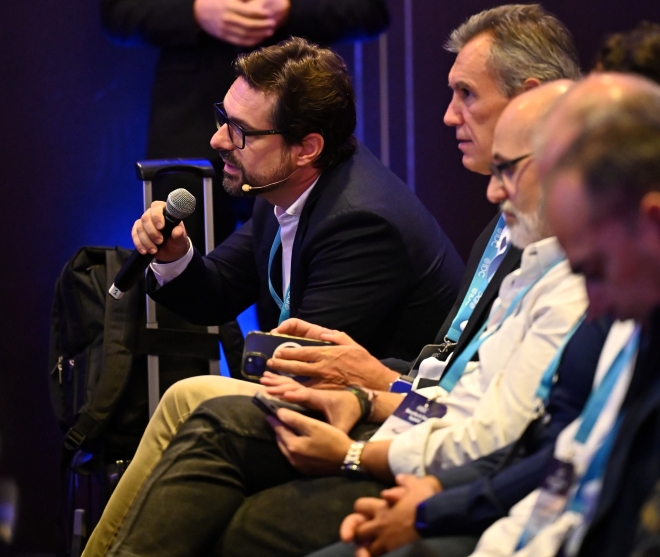
The IDC CIO Summit Switzerland 2026 is designed for CIOs, CTOs, and transformation leaders. This one-day summit delivers actionable insights on Switzerland’s top priorities for 2026: secure digital modernization, AI and Agentic AI adoption, cybersecurity resilience, and aligning IT with business value in an increasingly regulated and sustainability-focused environment.
CIO Summit
Day 1
8:30 am
Event Opening & Welcome
9:10 am
IDC Opening Keynote

Thomas Meyer
General Manager and Group Vice President, EMEA Research, IDC
9:30 am
Enduser Keynote
9:50 am
Host Keynote
10:05 am
Enduser Panel
10:30 am
Coffee Break & Networking
11:00 am
Strategic Partner Keynote
11:15 am
Strategic Partner Keynote
11:30 am
Enduser Keynote
11:50 am
Pitches for Connect Roundtable Sessions
12:00 pm
Connect Roundtable Sessions
12:45 pm
Lunch & Networking Break
2:00 pm
Enduser Keynote
2:20 pm
Tech Talk Session
3:00 pm
Enduser Keynote
3:20 pm
Coffee Break & Networking
3:50 pm
Enduser Panel
4:20 pm
Enduser Keynote
4:40 pm
IDC Closing Keynote
4:55 pm
Summary & Wrap-up
5:00 pm
Apéro & Networking
CIO Summit

Modernisieren. Absichern. Gestalten. IT-Leadership im Zeitalter von AI neu definieren
Die Schweiz stärkt ihre Position als europäische Vorreiterin für sichere, verantwortungsvolle und innovationsgetriebene digitale Transformation. Mit einem starken Finanzdienstleistungssektor, einer hochentwickelten industriellen Basis und einem ausgeprägten Engagement für Datenschutz beschleunigt das Land seine Investitionen in Cloud-Modernisierung, Automatisierung und Künstliche Intelligenz – einschließlich der nächsten Evolutionsstufe: Agentic AI.
Für Schweizer CIOs bringt das Jahr 2026 neue Herausforderungen und Chancen: die Steuerung des Zusammenspiels von Innovation und Regulierung, die Modernisierung von Legacy-Systemen unter Einhaltung strenger Datenschutzanforderungen sowie die Integration intelligenter Automatisierung, ohne Sicherheit oder ethische Verantwortlichkeit zu gefährden. Mit der zunehmenden Verbreitung von KI und Agentic AI übernehmen CIOs eine zentrale Rolle bei der Definition von Governance-Modellen, die Transparenz, Vertrauen und messbaren geschäftlichen Mehrwert gewährleisten.

Agenda
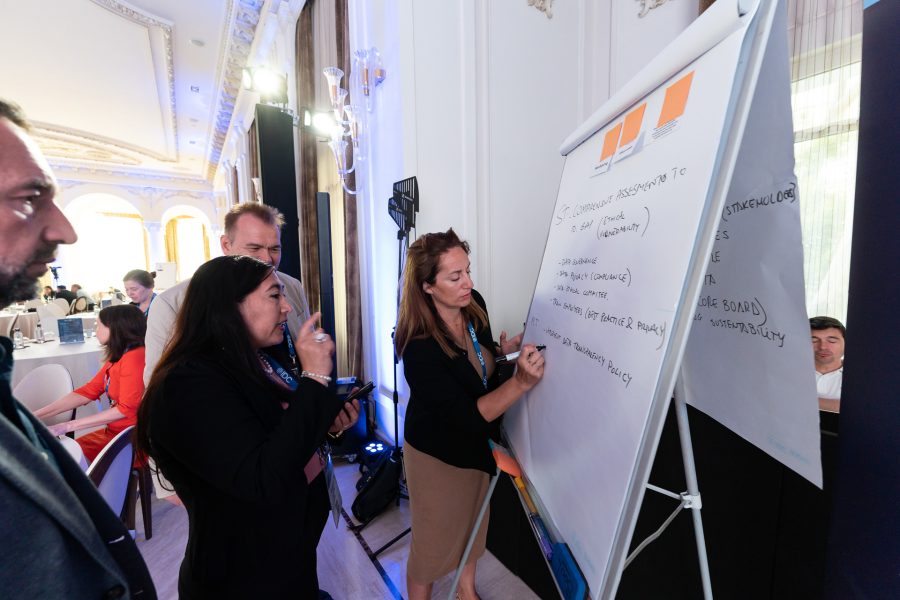
Unsere CIO Summit Agenda ist darauf ausgerichtet, zu inspirieren, herauszufordern und zu vernetzen. Von Keynote-Vorträgen mit Branchenführern über interaktive Roundtable bis hin zu Networking-Möglichkeiten – jeder Programmpunkt soll neue Ideen anstoßen und praxisnahe Einblicke bieten. Entdecken Sie das Programm und planen Sie Ihre Teilnahme.
Referenten

Thomas Meyer
General Manager and Group Vice President, EMEA Research
IDC
Read Bio

Thomas Meyer
IDC
General Manager and Group Vice President, EMEA Research
Event Sessions
Wednesday, May 20 2026 9:10 am | Location:
IDC Opening Keynote

Anja Lange
Moderator
Read Bio
Anja Lange
Moderator

Priscilla Schneider
Head of Core Infrastructure
Bank for International Settlements (BIS)
Read Bio
Priscilla Schneider
Bank for International Settlements (BIS)
Head of Core Infrastructure
Priscilla Schneider ist eine strategische IT-Führungskraft und aktuell Head of Core Infrastructure bei der Bank for International Settlements (BIS), wo sie die Verantwortung für Datacenter inklusive Storage und Virtualisierungsplattform, Netzwerk sowie Cloud Engineering trägt. Zuvor war sie in verschiedenen Führungsfunktionen bei der SIX Group Services AG tätig und verantwortete unter anderem internationale Infrastruktur- und Automationsplattformen sowie den Betrieb sicherer und konformer Server Plattformen sowie die Virtualisierung und Private Cloud.
Ihre IT-Karriere startete sie als Software Engineer bei der AXA Winterthur und sammelte dort Erfahrung in Mainframe- und Web-Applikationen.
Beim Softwaredienstleister Noser Engineering AG leitete sie das Webteam und wirkte als Presales Managerin als Brücke zwischen Technik und Verkauf.
Geprägt von ihrem technischen Hintergrund und ihrer Leidenschaft für die Arbeit mit Menschen fokussiert sie sich heute auf Führung und strategische Weiterentwicklung in der IT und verfügt über einen Bachelor of Science in Informatik sowie einen MAS in Leadership & Management der Zürcher Hochschule für Angewandte Wissenschaften.

Marcus Hug
Leiter Informatik & Mitglied der Geschäftsleitung
Michel Gruppe AG (Michel Services)
Read Bio
Marcus Hug
Michel Gruppe AG (Michel Services)
Leiter Informatik & Mitglied der Geschäftsleitung
Marcus Hug verantwortet die strategische Weiterentwicklung und den operativen Betrieb der gesamten Informatik-Infrastruktur und digitalen Services einer privaten Gesundheitsgruppe mit überregionaler Ausstrahlung. Mit 20 Jahren Erfahrung als Informatikverantwortlicher im Schweizer Gesundheitswesen gestaltet er die digitale Transformation mit dem Ziel, medizinische Exzellenz und betriebliche Effizienz durch resiliente IT-Architekturen und interdisziplinäre Zusammenarbeit zu vereinen. Seine Schwerpunkte liegen in der Modernisierung von Klinikinformationssystemen, IT-Governance im regulierten Umfeld sowie der pragmatischen Einführung innovativer Technologien – stets mit dem Verständnis von Technologie als Werkzeug im Dienst des Menschen.

Christian Probst
Leiter Querschnittsapplikationen
Finanzdepartement des Kantons Basel-Stadt
Read Bio
Christian Probst
Finanzdepartement des Kantons Basel-Stadt
Leiter Querschnittsapplikationen
Christian Probst hat Informatik studiert und ist seit über 20 Jahren ein Treiber der Digitalisierung. In seinem Werdegang vom Software-Engineer zum Abteilungsleiter beim Kanton Basel-Stadt leistete er echte Pionierarbeit: Er transformierte den E-Government-Bereich zu einem schweizweiten Vorbild für Ende-zu-Ende-Prozesse. Als Visionär für Digitalisierung steuert er heute die strategische Ausrichtung der zentralen Services und Applikationen, um die Verwaltung von morgen effizient, skalierbar und konsequent nutzerzentriert zu gestalten.

Thomas Greuter
CIO
Migros Bank
Read Bio
Thomas Greuter
Migros Bank
CIO
Technologie Leader mit über 26 Jahren internationaler Erfahrung in leitenden Positionen im Erschliessen von neuen Märkten, Restrukturierungen und Krisenmanagement in der Finanz Dienstleistungs-, Telekommunikation/ IT- sowie Luftfahrt-Industrie in der Schweiz, Hong Kong und Singapur. Meine Leidenschaft ist in Digitaler Transformation und Organisations Entwicklung, mit dem Ziel nachhaltige Erfolge zu erwirtschaften. Seit 2024 CIO der Migros Bank.

Fabian Ringwald
CIO und Mitglied der Geschäftsleitung
SWICA
Read Bio
Fabian Ringwald
SWICA
CIO und Mitglied der Geschäftsleitung
Fabian Ringwald ist Chief Information Officer (CIO) und Mitglied der Geschäftsleitung bei SWICA, wo er seit 2020 die digitale Transformation des Unternehmens gestaltet. Seine Schwerpunkte liegen auf modernen Datenlandschaften nach Data‑Mesh‑Prinzipien, der Datendemokratisierung und der Entwicklung digitaler Kundenschnittstellen, um das Geschäftsmodell nachhaltig zu stärken. Zuvor gestaltete er bei SBB Cargo den Aufbau der digitalen Güterbahn und bei BKW Energie AG die technologische Entwicklung des Energy-Trading-Floors.
Als strategisch‑visionärer Leader legt er grossen Wert auf Menschen, Zusammenarbeit und die Entwicklung übergreifender Teams – getrieben von seiner Leidenschaft, Technologie und Human Leadership zu verbinden. Energie und mentale Stärke schöpft er in den Bergen im Ultra‑Trail‑Running, seinem sportlichen Ausgleich.

Thomas Jung
Chief Data Officer
Syngenta Group
Read Bio
Thomas Jung
Syngenta Group
Chief Data Officer
Thomas Jung ist Chief Data Officer der Syngenta Group und treibt eine ambitionierte Daten‑ und KI‑Vision voran, um die Zukunft der Landwirtschaft smarter und nachhaltiger zu machen. Er verfügt über breite Erfahrung in technologiegeführter Transformation – von Technology Consulting und M&A‑Integration bis zur Digitalisierung der Forschung und Entwicklung der Syngenta Crop Protection.

Jan Freudenreich
Head of IT Security
Basler Kantonalbank
Read Bio
Jan Freudenreich
Basler Kantonalbank
Head of IT Security
Jan Freudenreich leitet die IT-Sicherheit für den Konzern der Basler Kantonalbank, welcher neben der BKB auch die Bank Cler umfasst. In seiner Rolle ist er verantwortlich für Strategie, Umsetzung und Operations. Seine weitreichende Erfahrung in Resilienz Planung und Security Transformation umfasst den Schweizer und europäischen Finanzmarkt.

Holger Spielberger
Global Chief Information Officer & Chief Digital Officer
Georg Fischer Piping Systems
Read Bio
Holger Spielberger
Georg Fischer Piping Systems
Global Chief Information Officer & Chief Digital Officer
Holger Spielberger ist eine visionäre Führungspersönlichkeit mit über 20 Jahren globaler Erfahrung in der Leitung komplexer Business- und Technologie-Organisationen. Als Global CIO bei Georg Fischer Piping Systems verantwortet er die globale IT-, Daten- und Digitalisierungsstrategie. Seine Expertise liegt in der Harmonisierung von Geschäftsprozessen, dem Aufbau robuster IT-Governance-Strukturen sowie der Leitung wegweisender digitaler Transformationsprogramme.
Zuvor hielt er Führungspositionen bei Branchenriesen wie ASSA ABLOY und ABB inne. Er gilt als Experte für die Implementierung kundenorientierter, KI-getriebener Ökosysteme, die messbare Effizienzsteigerungen und radikale Prozessbeschleunigungen ermöglichen. Holger Spielberger kombiniert strategischen Weitblick mit analytischer Präzision, um internationale Unternehmen in eine hochautomatisierte und wertschöpfende Zukunft zu führen.
Veranstaltungsort

Prognose 2026
Bis 2027 werden 55 % der CIOs der G1000 damit beauftragt sein, unternehmensweite KI-Value-Playbooks zu entwickeln, die erweiterte ROI-Modelle enthalten, um die Auswirkungen von KI auf Effizienz, Wachstum und Innovation zu definieren, zu messen und sichtbar zu machen.
Kernthemen
Der CIO als Business Strategist
CIOs haben sich von operativen Führungskräften zu strategischen Gestaltern des Unternehmens entwickelt. Während die digitale Transformation jedes Geschäftsmodell verändert, definiert technologische Führung heute die Wettbewerbsfähigkeit. Der moderne CIO muss IT-Prioritäten mit Geschäftsergebnissen in Einklang bringen, die Agenda im Vorstand mitgestalten und Innovationen vorantreiben, die messbaren Mehrwert liefern.
Modernization, Legacy and Technical Debt
Der Umgang mit “technical debt” ist längst nicht mehr nur ein Wartungsthema, sondern eine strategische Priorität. Die Modernisierung von legacy Systemen, die Vereinfachung von Architekturen und die Optimierung von Kostenstrukturen ermöglichen es Unternehmen, Ressourcen von der Instandhaltung hin zu Innovationen zu verlagern. Verschlankte Technologieportfolios schaffen die Agilität, die notwendig ist, um in einer digitalen Wirtschaft wettbewerbsfähig zu bleiben.
Agentic AI Revolution
Agentic AI markiert den Übergang von Automatisierung zu Autonomie. CIOs stehen vor der Aufgabe, autonome KI-Systeme verantwortungsvoll zu steuern, zu skalieren und in die Organisation zu integrieren – und dabei Chancen mit der notwendigen Governance und Kontrolle in Einklang zu bringen, um intelligente, selbststeuernde Unternehmen zu schaffen.
Resilience by Design
Resilienz entwickelt sich zur entscheidenden Fähigkeit moderner Unternehmen. Adaptive Architekturen, sichere Infrastrukturen und integrierte Kontinuitätsplanung versetzen Organisationen in die Lage, Störungen standzuhalten – sei es durch wirtschaftliche Unsicherheiten, regulatorische Veränderungen oder Cyberbedrohungen – und dabei Wachstum sowie Vertrauen nachhaltig zu sichern.
Cybersecurity, Trust, und Digital Sovereignty
Mit der Ausweitung digitaler Ökosysteme wird Vertrauen zu einer entscheidenden Währung. CIOs müssen Cybersicherheit, Datensouveränität und Compliance ganzheitlich adressieren und sicherstellen, dass Cloud-Strategien sowie grenzüberschreitende Aktivitäten mit den sich wandelnden regulatorischen Anforderungen im Einklang stehen. Der Aufbau digitalen Vertrauens schafft zugleich Schutz und einen nachhaltigen Wettbewerbsvorteil.
Aufbau des intelligenten Unternehmens
Daten bilden das Fundament jeder intelligenten Organisation. Verlässliche, gut gesteuerte und zugängliche Datenarchitekturen ermöglichen den skalierbaren Einsatz von KI, Automatisierung und Analytics. Unternehmen, die in robuste Datenfundamente investieren, sind besser positioniert, Erkenntnisse zu gewinnen, Veränderungen frühzeitig zu antizipieren und intelligentere sowie schnellere Geschäftsergebnisse zu erzielen.
Prognose 2026
Composite AI: Im Jahr 2026 wird ein erneuter Fokus auf Interpretierbarkeit und Zuverlässigkeit klassischer KI dazu führen, dass 70 % der Unternehmen Composite AI einsetzen, indem sie generative, präskriptive, prädiktive und agentische Technologien miteinander kombinieren.
Partner

NTT DATA
Über NTT DATA Group
NTT DATA in der DACH-Region ist Teil der NTT DATA Unternehmensgruppe. Mit einem jährlichen globalen Umsatz von über 30 Milliarden US-Dollar ist sie ein führender Anbieter von Business- und Technologie-Services, die 75 Prozent der Fortune Global 100 zu ihren Kunden zählt. Gruppenweit engagiert sich NTT DATA für den Erfolg seiner Kunden und ist bestrebt, die Gesellschaft mit verantwortungsvollen Innovationen positiv zu verändern. Sie ist einer der weltweit führenden Anbieter von KI und digitalen Infrastrukturen. Außerdem bietet sie einzigartige Fähigkeiten bei der Enterprise-Skalierung von KI, Cloud, Security, Konnektivität, Rechenzentren und Application Services. Mit Beratung und Branchenlösungen unterstützt NTT DATA Unternehmen und die Gesellschaft dabei, sicher und nachhaltig in eine digitale Zukunft aufzubrechen. Als Global Top Employer verfügt die Unternehmensgruppe über Expertinnen und Experten in mehr als 70 Ländern. Darüber hinaus bietet sie Kunden ein robustes Ökosystem mit Innovationszentren sowie etablierten Partnern und Start-ups. NTT DATA ist Teil der NTT Group, die jedes Jahr mehr als 3 Milliarden US-Dollar in Forschung und Entwicklung investiert.
Teilnahmebedingungen
Bitte VOR Ihrer Registrierung lesen:
Der IDC CIO Summit richtet sich an IT- und Fachpersonal aus IT-Anwenderunternehmen in der Schweiz.
Im Sinne dieser Teilnahmebedingungen gelten als IT-Anwenderunternehmen alle Unternehmen, die selbst keine Beratungsdienstleistungen erbringen und/oder keine Produkte oder Dienstleistungen der Informations- und Kommunikationstechnologie (IKT) entwickeln, herstellen oder vertreiben.
Mitarbeiter von ausgelagerten IT-Unternehmen, die ausschließlich für die Muttergesellschaft tätig sind und keine Geschäfte mit Dritten tätigen, sind ebenfalls teilnahmeberechtigt. Mitarbeiter von IT-Dienstleistungsunternehmen haben in der Regel nur über Sponsoring Zugang zu unseren Veranstaltungen.
IT-Anbieterunternehmen im Sinne dieser Teilnahmebedingungen sind Hardware-, Software-, Dienstleistungs- und Telekommunikationsunternehmen sowie Beratungsfirmen und ICT-Dienstleister.
IDC behält sich ausdrücklich das Recht vor, Anmeldungen von Personen abzulehnen, die nicht zur oben genannten Zielgruppe gehören, auch wenn die Einladung von einem unserer Partner, versehentlich von IDC selbst oder durch die Teilnahme an einer Online-Umfrage ausgesprochen wurde.
Nach der Registrierung über das Online-Anmeldeformular und der erfolgreichen Überprüfung durch IDC erhalten Sie eine verbindliche Anmeldebestätigung per E-Mail.
Knowledge Hub

The AI homework nobody asked for (but everyone’s getting anyway)
Artificial Intelligence has officially reached the “you can do anything with it” stage of technological hype. Judging just by AI vendor narratives, and by some of the media, it’s the golden key to productivity, efficiency, optimization and innovation.
The Agentic Business Future: Driving Resilience, Sovereignty, and Innovation in EMEA
As organizations navigate an era defined by economic uncertainty, geopolitical shifts, and relentless technological change, one truth stands out: the future belongs to those who can harness AI, automation, and sovereignty to build resilience, drive innovation, and unlock growth.

EMEA’s Tech Evolution – 7 Key Themes Transforming Business in 2025
The technology landscape across Europe, Middle East, and Africa (EMEA) is changing rapidly in 2025, with innovations actively reshaping industries and creating new business opportunities.
Nicht das richtige Event für Sie?
Keine Sorge! Wir organisieren eine Vielzahl von Events, die dazu gedacht sind, zu inspirieren, aktuelle Branchen-Insights zu teilen und Fachleute wie Sie miteinander zu vernetzen. Melden Sie sich einfach für Event-Einladungen an, und wir informieren Sie, sobald ein neues Event Ihren Interessen entspricht.
Hier anmeldenAgenda
Agenda
Unsere CIO Summit Agenda ist darauf ausgerichtet, zu inspirieren, herauszufordern und zu vernetzen. Von Keynote-Vorträgen mit Branchenführern über interaktive Roundtable bis hin zu Networking-Möglichkeiten – jeder Programmpunkt soll neue Ideen anstoßen und praxisnahe Einblicke bieten. Entdecken Sie das Programm und planen Sie Ihre Teilnahme.
CIO Summit
Day 1
8:30 am
Registrierung und Willkommenskaffee
9:10 am
IDC Opening Keynote
Thomas Meyer
General Manager and Group Vice President, EMEA Research, IDC
9:30 am
Enduser Keynote
9:50 am
Host Keynote
10:05 am
Enduser Panel
10:30 am
Kaffeepause & Networking
11:00 am
Strategic Partner Keynote
11:15 am
Strategic Partner Keynote
11:30 am
Enduser Keynote
11:50 am
Pitches for Connect Roundtable Sessions
12:00 pm
Connect Roundtable Sessions
12:45 pm
Mittagspause & Networking
2:00 pm
Enduser Keynote
2:20 pm
Tech Talk Session
3:00 pm
Enduser Keynote
3:20 pm
Kaffeepause & Networking
3:50 pm
Enduser Panel
4:20 pm
Enduser Keynote
4:40 pm
IDC Closing Keynote
4:55 pm
Zusammenfassung und Verabschiedung
5:00 pm
Apéro & Networking
IT Security Summit
25 Jun 2026
Milan, Italy
IT Security Summit
Securing an AI-Powered Business
Registrati Diventa Sponsor

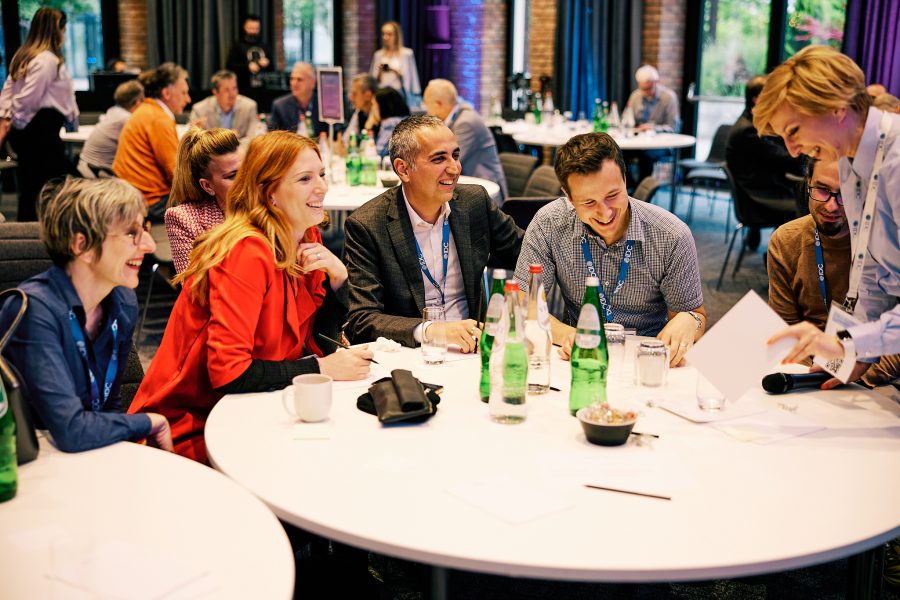
Navigare la nuova frontiera di fiducia, compliance e innovazione
L’IDC IT Security Italy 2026 è l’evento di riferimento per i leader del business, della sicurezza e della tecnologia, dedicato a esplorare come integrare fiducia, governance e resilienza nel cuore della trasformazione digitale.
L’Italia sta entrando in una fase cruciale del suo percorso di cybersicurezza e modernizzazione digitale. Secondo IDC, si prevede che la spesa per la sicurezza in Europa crescerà con un tasso annuo composto (CAGR) del 9,4% fino al 2029, con software, analytics e protezione cloud-native a guidare il mercato. In Italia, le organizzazioni stanno rispondendo all’aumento delle minacce cyber, all’estensione dei requisiti normativi dell’UE e ai crescenti sforzi nazionali per rafforzare la sovranità digitale e la resilienza delle infrastrutture critiche.
Allo stesso tempo, l’Intelligenza Artificiale sta trasformando il panorama della sicurezza in Italia. Le ricerche di IDC mostrano che quasi il 40% delle organizzazioni europee sta già investendo in AI o automazione, e oltre il 70% si aspetta una trasformazione guidata dall’AI entro i prossimi 18 mesi.
Per i security leader italiani, l’AI rappresenta sia un’opportunità che una crescente area di rischio. Se da un lato sta migliorando il rilevamento delle minacce, la risposta agli incidenti e l’automazione, dall’altro sta abilitando nuovi vettori di attacco come deepfake, phishing generato dall’AI e vulnerabilità automatizzate. In risposta, le aziende italiane stanno investendo in analytics basate su AI, Identity and Access Management (IAM) e Managed Detection and Response (MDR) per potenziare la protezione, mantenendo al contempo trasparenza, governance e un’adozione etica dell’IA.
Agenda
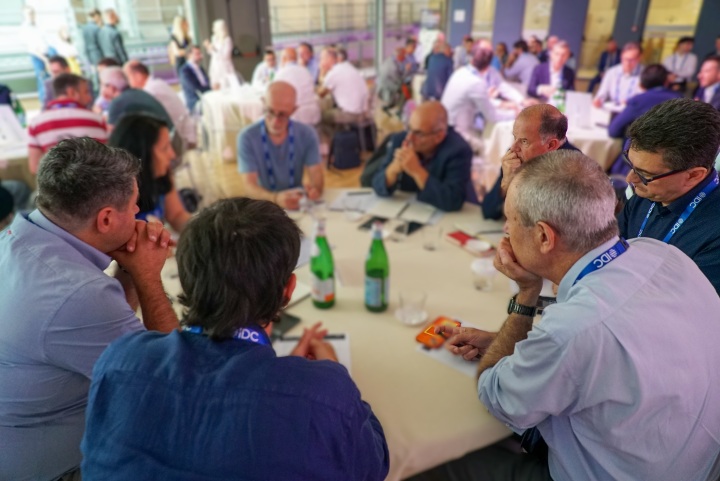
L’IDC IT Security Summit rappresenta il punto d’incontro privilegiato per i leader del business, della sicurezza e della tecnologia che mirano a integrare fiducia, governance e resilienza al centro delle proprie strategie di trasformazione digitale.
Partecipate alle sessioni con gli analisti IDC e gli esperti del settore per esplorare come costruire ecosistemi digitali sicuri, capaci di coniugare innovazione e affidabilità. Approfondite le dinamiche dei settori più evoluti in Italia e acquisite framework operativi per trasformare la sicurezza in un differenziatore strategico, superando la logica del semplice costo reattivo.
2026 Prediction
Entro il 2028, il 40% delle imprese utilizzerà piattaforme di Cyber-Risk Quantification alimentate da autonomous agents per convertire le metriche di sicurezza in financial exposure, guidando la definizione dei budget, i controlli e le valutazioni del rischio nelle operazioni di M&A
Tematiche principali
Regulation, Resilience and Value Creation
La regulatory compliance non è più un onere burocratico, ma un vero e proprio abilitatore strategico. Esploreremo come le organizzazioni possano integrare i mandati normativi (data privacy, leggi sulla cybersicurezza, regolamentazioni emergenti su AI e tecnologia) nelle proprie core operations, trasformando i requisiti in leve per la resilienza, la fiducia degli stakeholder e il valore di business.
AI, Automation and Responsible Innovation
L’AI e gli intelligent agents stanno trasformando le modalità di erogazione della sicurezza, ma a grandi potenzialità corrispondono altrettanti rischi. Esploreremo l’implementazione pragmatica dell’IA: governance models, guardrails per prevenire usi impropri, prioritizzazione degli high-impact use cases e allineamento dei sistemi di IA ai principi di trust, transparency e accountability.
Operations, Analytics & Resilience Engineering
Detection, response e recovery non sono più eventi isolati, ma cicli continui. Analizzeremo nel dettaglio le advanced analytics, il Managed Detection & Response (MDR), l’orchestrazione e la external threat visibility (estesa alla supply chain e alle terze parti), insieme alle resilience metrics necessarie per rendere operativa l’efficacia della sicurezza.
The Human Factor: Leadership & Culture
La tecnologia da sola non garantisce la sicurezza: è necessario che leadership, cultura aziendale e sviluppo delle competenze siano allineati. Ci concentreremo sulla trasformazione dei team, sull’integrazione della security ownership in tutte le funzioni aziendali e sulla preparazione dei leader affinché sappiano parlare il language of risk and trust al Board, ai CEO e alle business lines.
Incident e Trust Recovery
I breach sono inevitabili, ciò che conta è il modo in cui un’organizzazione risponde. Approfondiremo la crisis communication, la forensic response, la gestione degli adempimenti normativi e delle assicurazioni, fino al ripristino della stakeholder trust e alla capacità di trasformare l’avversità in credibilità.
Sector & Domain Security Challenges
Settori e ambienti diversi presentano esigenze di sicurezza uniche. Ci concentreremo sulla protezione delle critical infrastructure (energia, utility), dei dispositivi connessi e IoT, della sanità, del settore finance e degli ambienti emergenti come le smart cities o i sistemi industriali.
2026 Prediction
Entro il 2028, gli AI agents gestiranno il triage dell'80% degli alert nella maggior parte dei SOC a livello globale.
Speakers

Roberta Bigliani
Group Vice President, Global Lead for Energy & Retail Insights and Industry Hub
IDC
Read Bio
Roberta Bigliani
IDC
Group Vice President, Global Lead for Energy & Retail Insights and Industry Hub
Roberta Bigliani is a Group Vice President at IDC, and Global Lead for Energy Insights, Retail Insights, and the IDC Industry Hub.
She leads IDC’s global research, data, and custom delivery agendas for energy, utilities, and retail, and oversees the Industry Hub, which drives cross-industry initiatives and collaboration.
A recognized expert in industry and business transformation, with longstanding experience in energy and utilities, Roberta’s work centers on how AI and digital technologies are reshaping the industry – enabling new business and operating models, enhancing operations and customer experiences, and effectively integrating IT and operational technology.
Her work combines deep sector expertise with a cross-industry lens, helping organizations understand how disruption and innovation propagate across sectors and markets.
Roberta regularly advises senior managers and executives at both technology suppliers and end-user organizations, speaks at international conferences, and moderates executive-level discussions.
She is based in Milan, Italy.

Romain Fouchereau
Senior Research Manager
IDC
Read Bio
Romain Fouchereau
IDC
Senior Research Manager
As senior research manager for IDC’s European Security group, Romain has a specific focus on network security and the security technologies linked to the extended enterprise such as IoT, Edge and IT/OT convergence. He closely monitors the development, evolution, and penetration of these technologies and the approaches vendors are taking to stimulate adoption both at channel and end-user level.
Romain manages the IDC security appliance market tracker for the Europe, which provides market size, vendor share and forecasts for network security products such as unified threat management (UTM), firewall, IDP and content management (web and Messaging) appliances.
Romain also co-leads the European Future of Operations practice, looking at the shift in operational mindset for European organizations to a market-driven outlook that is leveraging digital capabilities to build a resilient organization. Romain has a specific interest in the role of security as business enabler for IT/OT integrations strategies.
Romain joined IDC from a manufacturing industry company, where he specialized in market research consultancy. Within this role he handled go-to-market projects for a variety of products and vendors, focusing on the French and Italian markets.
I nostri Partners

Ping Identity
Ping makes it possible to trust every digital moment. Our enterprise-grade identity platform secures customers, employees, partners, and non-human identities at scale across cloud, hybrid, and on-prem. From passwordless to AI-ready, we help you fight fraud, simplify access, and accelerate growth.
With us, trust is built in.
Learn more at www.pingidentity.com.

Riot

ImpresaCity

Reportec

Come partecipare
L’evento, che si terrà il 25 giugno 2026 a partire dalle ore 9:00, è a partecipazione gratuita (previa compilazione del modulo di registrazione) per i professionisti appartenenti ai seguenti settori: Manufacturing, Automotive, Fashion, Finance, Banking and Insurance, Retail, Energy and Utilities, Media, Government, Health, Education, Transports, Logistics, Telecommunications, Personal and Professional Services.
L’accesso all’evento non è consentito ad aziende ICT non sponsor (vendor, distributori, reseller, VAR, system integrator), società di consulenza e servizi ICT, privati e liberi professionisti.
La lingua ufficiale dell’evento è l’italiano.

Non è l'evento giusto per te?
Non preoccuparti, abbiamo tanti altri eventi che possono fare al caso tuo! Iscriviti per ricevere i nostri inviti e ti invieremo un messaggio non appena avremo un nuovo evento che pensiamo possa interessarti.
Sign upKnowledge Hub

The NIS 2 directive – where are we now?
The deadline for the transposition of the EU’s second Network and Information Systems Security directive (NIS 2) came and went in October 2024 with only a handful of member states having completed the task.

European ICT spending implications of NATO’s 5% GDP spending target
At the 2025 NATO Summit in The Hague a few weeks ago, member states pledged to allocate 5% of their annual GDP to core defense requirements and defense- and security-related expenditures by 2035.
IAM 2025: The Rise of the Machines
Identity and access management (IAM), and by extension, identity security, is one of the most pervasive and impactful challenges facing all European organizations today, from an operational and risk management perspective.
CIO Summit
Modernize. Secure. Innovate. Lead with the power of Agentic-AI
Switzerland is strengthening its position as a European leader in secure, responsible, and innovation-driven digital transformation. With its strong financial services sector, advanced manufacturing base, and deep commitment to data privacy, the country is accelerating investment in cloud modernization, automation, and AI, including the next wave of Agentic AI.
For Swiss CIOs, 2026 will bring new challenges and opportunities: managing the convergence of innovation and regulation, modernizing legacy systems while meeting strict data protection standards, and integrating intelligent automation without compromising security or ethical accountability. As AI and Agentic AI gain traction, CIOs will play a central role in defining governance models that ensure transparency, trust, and measurable business value.
Agenda
The IDC CIO Summit Switzerland 2026 is the leading event for senior technology and business executives shaping enterprise strategy and digital leadership in one of Europe’s most advanced and trusted digital economies. Designed for CIOs, CTOs, and transformation leaders, this one-day summit delivers actionable insights on Switzerland’s top priorities for 2026: secure digital modernization, AI and Agentic AI adoption, cybersecurity resilience, and aligning IT with business value in an increasingly regulated and sustainability-focused environment.
Speakers
Thomas Meyer
General Manager and Group Vice President, EMEA Research
IDC
Read Bio
Thomas Meyer
IDC
General Manager and Group Vice President, EMEA Research
Event Sessions
Wednesday, May 20 2026 9:10 am | Location:
IDC Opening Keynote
Anja Lange
Moderator
Read Bio
Anja Lange
Moderator
Priscilla Schneider
Head of Core Infrastructure
Bank for International Settlements (BIS)
Read Bio
Priscilla Schneider
Bank for International Settlements (BIS)
Head of Core Infrastructure
Priscilla Schneider ist eine strategische IT-Führungskraft und aktuell Head of Core Infrastructure bei der Bank for International Settlements (BIS), wo sie die Verantwortung für Datacenter inklusive Storage und Virtualisierungsplattform, Netzwerk sowie Cloud Engineering trägt. Zuvor war sie in verschiedenen Führungsfunktionen bei der SIX Group Services AG tätig und verantwortete unter anderem internationale Infrastruktur- und Automationsplattformen sowie den Betrieb sicherer und konformer Server Plattformen sowie die Virtualisierung und Private Cloud.
Ihre IT-Karriere startete sie als Software Engineer bei der AXA Winterthur und sammelte dort Erfahrung in Mainframe- und Web-Applikationen.
Beim Softwaredienstleister Noser Engineering AG leitete sie das Webteam und wirkte als Presales Managerin als Brücke zwischen Technik und Verkauf.
Geprägt von ihrem technischen Hintergrund und ihrer Leidenschaft für die Arbeit mit Menschen fokussiert sie sich heute auf Führung und strategische Weiterentwicklung in der IT und verfügt über einen Bachelor of Science in Informatik sowie einen MAS in Leadership & Management der Zürcher Hochschule für Angewandte Wissenschaften.
Marcus Hug
Leiter Informatik & Mitglied der Geschäftsleitung
Michel Gruppe AG (Michel Services)
Read Bio
Marcus Hug
Michel Gruppe AG (Michel Services)
Leiter Informatik & Mitglied der Geschäftsleitung
Marcus Hug verantwortet die strategische Weiterentwicklung und den operativen Betrieb der gesamten Informatik-Infrastruktur und digitalen Services einer privaten Gesundheitsgruppe mit überregionaler Ausstrahlung. Mit 20 Jahren Erfahrung als Informatikverantwortlicher im Schweizer Gesundheitswesen gestaltet er die digitale Transformation mit dem Ziel, medizinische Exzellenz und betriebliche Effizienz durch resiliente IT-Architekturen und interdisziplinäre Zusammenarbeit zu vereinen. Seine Schwerpunkte liegen in der Modernisierung von Klinikinformationssystemen, IT-Governance im regulierten Umfeld sowie der pragmatischen Einführung innovativer Technologien – stets mit dem Verständnis von Technologie als Werkzeug im Dienst des Menschen.
Christian Probst
Leiter Querschnittsapplikationen
Finanzdepartement des Kantons Basel-Stadt
Read Bio
Christian Probst
Finanzdepartement des Kantons Basel-Stadt
Leiter Querschnittsapplikationen
Christian Probst hat Informatik studiert und ist seit über 20 Jahren ein Treiber der Digitalisierung. In seinem Werdegang vom Software-Engineer zum Abteilungsleiter beim Kanton Basel-Stadt leistete er echte Pionierarbeit: Er transformierte den E-Government-Bereich zu einem schweizweiten Vorbild für Ende-zu-Ende-Prozesse. Als Visionär für Digitalisierung steuert er heute die strategische Ausrichtung der zentralen Services und Applikationen, um die Verwaltung von morgen effizient, skalierbar und konsequent nutzerzentriert zu gestalten.
Thomas Greuter
CIO
Migros Bank
Read Bio
Thomas Greuter
Migros Bank
CIO
Technologie Leader mit über 26 Jahren internationaler Erfahrung in leitenden Positionen im Erschliessen von neuen Märkten, Restrukturierungen und Krisenmanagement in der Finanz Dienstleistungs-, Telekommunikation/ IT- sowie Luftfahrt-Industrie in der Schweiz, Hong Kong und Singapur. Meine Leidenschaft ist in Digitaler Transformation und Organisations Entwicklung, mit dem Ziel nachhaltige Erfolge zu erwirtschaften. Seit 2024 CIO der Migros Bank.
Fabian Ringwald
CIO und Mitglied der Geschäftsleitung
SWICA
Read Bio
Fabian Ringwald
SWICA
CIO und Mitglied der Geschäftsleitung
Fabian Ringwald ist Chief Information Officer (CIO) und Mitglied der Geschäftsleitung bei SWICA, wo er seit 2020 die digitale Transformation des Unternehmens gestaltet. Seine Schwerpunkte liegen auf modernen Datenlandschaften nach Data‑Mesh‑Prinzipien, der Datendemokratisierung und der Entwicklung digitaler Kundenschnittstellen, um das Geschäftsmodell nachhaltig zu stärken. Zuvor gestaltete er bei SBB Cargo den Aufbau der digitalen Güterbahn und bei BKW Energie AG die technologische Entwicklung des Energy-Trading-Floors.
Als strategisch‑visionärer Leader legt er grossen Wert auf Menschen, Zusammenarbeit und die Entwicklung übergreifender Teams – getrieben von seiner Leidenschaft, Technologie und Human Leadership zu verbinden. Energie und mentale Stärke schöpft er in den Bergen im Ultra‑Trail‑Running, seinem sportlichen Ausgleich.
Thomas Jung
Chief Data Officer
Syngenta Group
Read Bio
Thomas Jung
Syngenta Group
Chief Data Officer
Thomas Jung ist Chief Data Officer der Syngenta Group und treibt eine ambitionierte Daten‑ und KI‑Vision voran, um die Zukunft der Landwirtschaft smarter und nachhaltiger zu machen. Er verfügt über breite Erfahrung in technologiegeführter Transformation – von Technology Consulting und M&A‑Integration bis zur Digitalisierung der Forschung und Entwicklung der Syngenta Crop Protection.
Jan Freudenreich
Head of IT Security
Basler Kantonalbank
Read Bio
Jan Freudenreich
Basler Kantonalbank
Head of IT Security
Jan Freudenreich leitet die IT-Sicherheit für den Konzern der Basler Kantonalbank, welcher neben der BKB auch die Bank Cler umfasst. In seiner Rolle ist er verantwortlich für Strategie, Umsetzung und Operations. Seine weitreichende Erfahrung in Resilienz Planung und Security Transformation umfasst den Schweizer und europäischen Finanzmarkt.
Holger Spielberger
Global Chief Information Officer & Chief Digital Officer
Georg Fischer Piping Systems
Read Bio
Holger Spielberger
Georg Fischer Piping Systems
Global Chief Information Officer & Chief Digital Officer
Holger Spielberger ist eine visionäre Führungspersönlichkeit mit über 20 Jahren globaler Erfahrung in der Leitung komplexer Business- und Technologie-Organisationen. Als Global CIO bei Georg Fischer Piping Systems verantwortet er die globale IT-, Daten- und Digitalisierungsstrategie. Seine Expertise liegt in der Harmonisierung von Geschäftsprozessen, dem Aufbau robuster IT-Governance-Strukturen sowie der Leitung wegweisender digitaler Transformationsprogramme.
Zuvor hielt er Führungspositionen bei Branchenriesen wie ASSA ABLOY und ABB inne. Er gilt als Experte für die Implementierung kundenorientierter, KI-getriebener Ökosysteme, die messbare Effizienzsteigerungen und radikale Prozessbeschleunigungen ermöglichen. Holger Spielberger kombiniert strategischen Weitblick mit analytischer Präzision, um internationale Unternehmen in eine hochautomatisierte und wertschöpfende Zukunft zu führen.
Venue
2026 Prediction
By 2027, 55% of G1000 CIOs will be tasked to create enterprise AI value playbooks, featuring expanded ROI models to define, measure, and showcase AI impact across efficiency, growth, and innovation.
Main Themes
The CIO as Business Strategist
CIOs have evolved from operational leaders to enterprise strategists. As digital transformation reshapes every business model, technology leadership now defines competitiveness. Today’s CIO must align IT priorities with business outcomes, influence the boardroom agenda, and drive innovation that delivers measurable value.
Modernization, Legacy and Technical Debt
Managing technical debt is no longer just a maintenance concern, it’s a strategic priority. Modernizing legacy systems, simplifying architectures, and optimizing cost structures allow organizations to shift resources from upkeep to innovation. Streamlined technology portfolios create the agility needed to compete in a digital economy.
The Agentic AI Revolution
Agentic AI marks a shift from automation to autonomy. How CIOs can govern, scale, and integrate autonomous AI systems responsibly (balancing opportunity with oversight to create intelligent, self-directed enterprises.
Resilience by Design
Resilience is emerging as the defining capability of modern enterprises. Adaptive architectures, secure infrastructure, and integrated continuity planning enable organizations to withstand disruption (whether from economic uncertainty, regulatory shifts, or cyber threats) while sustaining growth and trust.
Cybersecurity, Trust, and Digital Sovereignty
As digital ecosystems expand, trust becomes a critical currency. CIOs must address cybersecurity, data sovereignty, and compliance in tandem, ensuring that cloud strategies and cross-border operations align with evolving regulations. Building digital trust creates both protection and competitive advantage.
Building the Intelligent Enterprise
Data is the foundation of every intelligent organization. Reliable, governed, and accessible data architectures enable AI, automation, and analytics to operate at scale. Enterprises that invest in strong data foundations are better positioned to extract insight, anticipate change, and deliver smarter, faster business outcomes.
2026 Prediction
Composite AI: In 2026, a renewed focus on traditional AI for explainability and reliability will drive 70% of organizations to adopt composite AI, blending generative, prescriptive, predictive, and agentic technology.
Partners
NTT DATA
Über NTT DATA Group
NTT DATA in der DACH-Region ist Teil der NTT DATA Unternehmensgruppe. Mit einem jährlichen globalen Umsatz von über 30 Milliarden US-Dollar ist sie ein führender Anbieter von Business- und Technologie-Services, die 75 Prozent der Fortune Global 100 zu ihren Kunden zählt. Gruppenweit engagiert sich NTT DATA für den Erfolg seiner Kunden und ist bestrebt, die Gesellschaft mit verantwortungsvollen Innovationen positiv zu verändern. Sie ist einer der weltweit führenden Anbieter von KI und digitalen Infrastrukturen. Außerdem bietet sie einzigartige Fähigkeiten bei der Enterprise-Skalierung von KI, Cloud, Security, Konnektivität, Rechenzentren und Application Services. Mit Beratung und Branchenlösungen unterstützt NTT DATA Unternehmen und die Gesellschaft dabei, sicher und nachhaltig in eine digitale Zukunft aufzubrechen. Als Global Top Employer verfügt die Unternehmensgruppe über Expertinnen und Experten in mehr als 70 Ländern. Darüber hinaus bietet sie Kunden ein robustes Ökosystem mit Innovationszentren sowie etablierten Partnern und Start-ups. NTT DATA ist Teil der NTT Group, die jedes Jahr mehr als 3 Milliarden US-Dollar in Forschung und Entwicklung investiert.
Knowledge Hub
The AI homework nobody asked for (but everyone’s getting anyway)
Artificial Intelligence has officially reached the “you can do anything with it” stage of technological hype. Judging just by AI vendor narratives, and by some of the media, it’s the golden key to productivity, efficiency, optimization and innovation.
The Agentic Business Future: Driving Resilience, Sovereignty, and Innovation in EMEA
As organizations navigate an era defined by economic uncertainty, geopolitical shifts, and relentless technological change, one truth stands out: the future belongs to those who can harness AI, automation, and sovereignty to build resilience, drive innovation, and unlock growth.
EMEA’s Tech Evolution – 7 Key Themes Transforming Business in 2025
The technology landscape across Europe, Middle East, and Africa (EMEA) is changing rapidly in 2025, with innovations actively reshaping industries and creating new business opportunities.
Terms and Conditions
The IDC CIO Summit is aimed at IT and specialist staff from IT user companies in Switzerland.
For the purposes of these terms and conditions of participation, IT user companies are defined as all companies that do not themselves provide consulting services and/or develop, manufacture, or distribute information and communication technology (ICT) products or services.
Employees of outsourced IT companies who work exclusively for the parent company and do not conduct any third-party business are also eligible to participate. Employees of IT service companies generally only have access to our events through sponsorship.
IT provider companies within the meaning of these conditions of participation are hardware, software, service, and telecommunications companies, as well as consulting firms and ICT service providers.
IDC expressly reserves the right to reject registrations from persons who do not belong to the above-mentioned target group, even if the invitation was issued by one of our partners, mistakenly by IDC itself, or through participation in an online survey.
After registering via the online registration form and successful verification by IDC, you will receive a binding confirmation of registration by email.
Not the right event for you?
Don’t worry! We organize a variety of events designed to inspire original ideas, share the latest industry insights, and connect professionals like you. Simply sign up for event invitations, and we’ll notify you whenever a new event matches your interests.
Sign upIDC Manufacturing Roundtable

Event Partner

Zukunftssichere, KI-fähige industrielle Dateninfrastrukturen: Wie gelingt die Brücke zwischen Fabrikhalle und Cloud?
Produktionsdaten, die bislang in isolierten Systemen schlummerten, entwickeln sich zunehmend zu einem strategischen Asset für Innovation und Effizienzsteigerungen.
Durch die intelligente Nutzung von Produktions-, Qualitäts- und Maschinendaten – insbesondere mittels Künstlicher Intelligenz (KI) – lassen sich Qualitätsprobleme schneller adressieren, Energieverbräuche optimieren und ungeplante Maschinenstillstände vermeiden.
Unternehmen stehen daher vor der Aufgabe, das enorme Potenzial industrieller Daten besser als bisher zu erschließen und für den Einsatz von KI in den Fabrikhallen nutzbar zu machen.
Maßgeblich für den Erfolg sind geeignete Dateninfrastrukturen, die den Anforderungen an Sicherheit und Skalierbarkeit gerecht werden, sowie umfassende Daten-Governance-Konzepte, die das Vertrauen in industrielle KI-Anwendungen nachhaltig stärken.
Wie produzierende Unternehmen diesen Weg erfolgreich gehen können und wo Stolpersteine liegen, darum geht es bei diesem Roundtable. IDC und Data Reply als Partner laden Sie dazu herzlich ein. Wir freuen uns auf einen intensiven Erfahrungs- und Meinungsaustausch in kleiner, vertraulicher Runde
Darüber und mehr wollen wir sprechen:
- Von Dateninseln zu vernetzter Intelligenz: Wie schaffen Unternehmen den Übergang von isolierten Produktionsdaten zu einem integrierten, KI-fähigen Datenökosystem?
- Datenstrategie & Architektur: Welche Architekturansätze sind geeignet, um Produktions-, Qualitäts-, und Maschinendaten AI-ready zu machen?
- Rolle von KI im industriellen Umfeld: Welche Use Cases bringen heute echten Mehrwert (z. B. Predictive Maintenance, Qualitätsanalyse, Energieoptimierung, generative Assistenzsysteme für Techniker)?
- Datenqualität und Governance: Wie können Unternehmen sicherstellen, dass industrielle Daten vertrauenswürdig, kontextualisiert und KI-fähig sind?
- Organisatorische Voraussetzungen: „Die größten Hürden für KI in der Industrie sind nicht technologisch, sondern organisatorisch.“ Wie lässt sich ein „AI-ready Mindset“ in Engineering- und Produktionsorganisationen etablieren?
Highlights aus dem Programm:
- Praxisbericht von Philipp Martin Lutz, Senior Key Expert bei Siemens Digital Industries zu Data Products in the Agentic Era
- Expertengespräch über Entscheidungsalternativen für IT-Executives
- Moderierte Diskussionsrunde zum Austausch von Ansichten und Erfahrungen
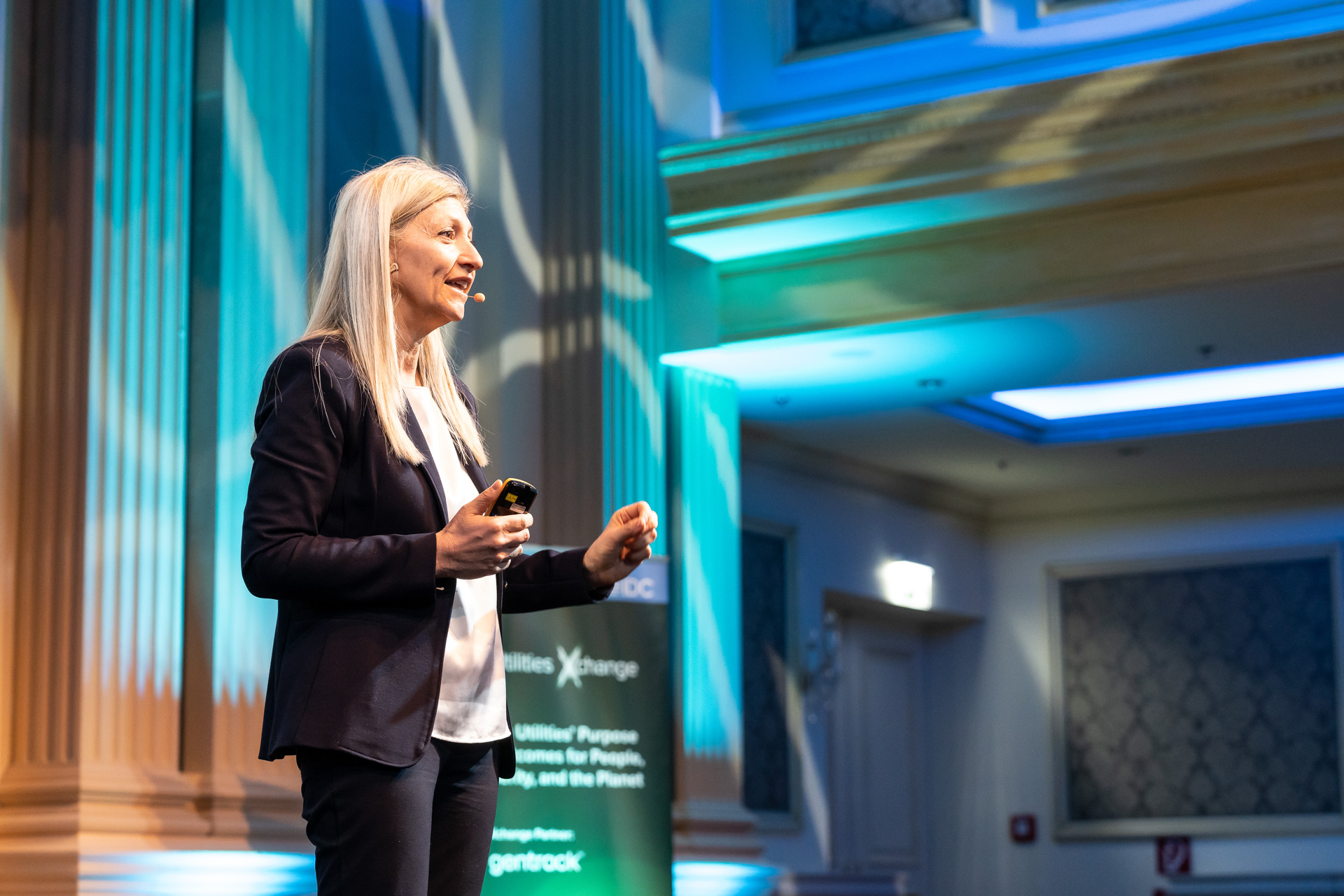
Agenda
IDC Manufacturing Roundtable
One Day Event
5:30 pm
Empfang
Networking bei Drinks und Canapés
6:00 pm
Begrüßung und Einführung

Stefanie Naujoks
Research Director, IDC

Sergio Spinatelli
Partner, Data Reply
6:10 pm
Vorstellungsrunde der Teilnehmenden
6:20 pm
Towards the Data Quantum – Data Products in the Agentic Era

Philipp Martin Lutz
Senior Key Expert, Siemens Digital Industries
6:40 pm
Expertengespräch: Die Bedeutung von skalierbaren, sicheren und zukunftssicheren Dateninfrastrukturen, um AI at scale in der Fertigung zu ermöglichen
Sergio Spinatelli
Partner, Data Reply
7:00 pm
Offene Diskussion und Austausch von Positionen und Erfahrungen aller Teilnehmenden
8:00 pm
Wrap Up und Closing mit Aperitif
anschließend Flying Dinner mit Networking
9:30 pm
Ende des Roundtables
Sprecher

Stefanie Naujoks
Research Director
IDC
Read Bio
Stefanie Naujoks
IDC
Research Director
Event Sessions
Wednesday, March 11 2026 6:00 pm | Location:
Begrüßung und Einführung

Sergio Spinatelli
Partner
Data Reply
Read Bio
Sergio Spinatelli
Data Reply
Partner
Event Sessions
Wednesday, March 11 2026 6:40 pm | Location:
Expertengespräch: Die Bedeutung von skalierbaren, sicheren und zukunftssicheren Dateninfrastrukturen, um AI at scale in der Fertigung zu ermöglichen
Wednesday, March 11 2026 6:00 pm | Location:
Begrüßung und Einführung

Philipp Martin Lutz
Senior Key Expert
Siemens Digital Industries
Read Bio
Philipp Martin Lutz
Siemens Digital Industries
Senior Key Expert
Event Sessions
Wednesday, March 11 2026 6:20 pm | Location:
Towards the Data Quantum – Data Products in the Agentic Era
Partner
Event Partner
Data Reply

Teilnahmebedingungen
IDC Roundtables richten sich an IT- und Fachbereichsmitarbeitende aus IT-Anwenderunternehmen mit Sitz in Deutschland. IT-Anwenderunternehmen im Sinne dieser Teilnahmebedingungen sind alle Organisationen, die selbst keine Beratungsdienstleistungen erbringen und/oder ITK-Produkte oder -Dienstleistungen entwickeln, herstellen oder vertreiben. Mitarbeitende von ausgegründeten IT-Gesellschaften, die ausschließlich für den Mutterkonzern arbeiten und kein Drittgeschäft machen, sind ebenfalls teilnahmeberechtigt. IDC behält sich ausdrücklich das Recht vor, Registrierungen von Personen, die nicht zur o.g. Zielgruppe gehören – auch wenn die Einladung durch einen unserer Partner, irrtümlich durch IDC selbst oder durch die Teilnahme an einer Online-Umfrage ausgesprochen wurde – nicht zu bestätigen. Nach Ihrer Anmeldung über das Online-Registrierungsformular und erfolgreicher Prüfung durch IDC erhalten Sie eine verbindliche Anmeldebestätigung per E-Mail.
CIO Summit
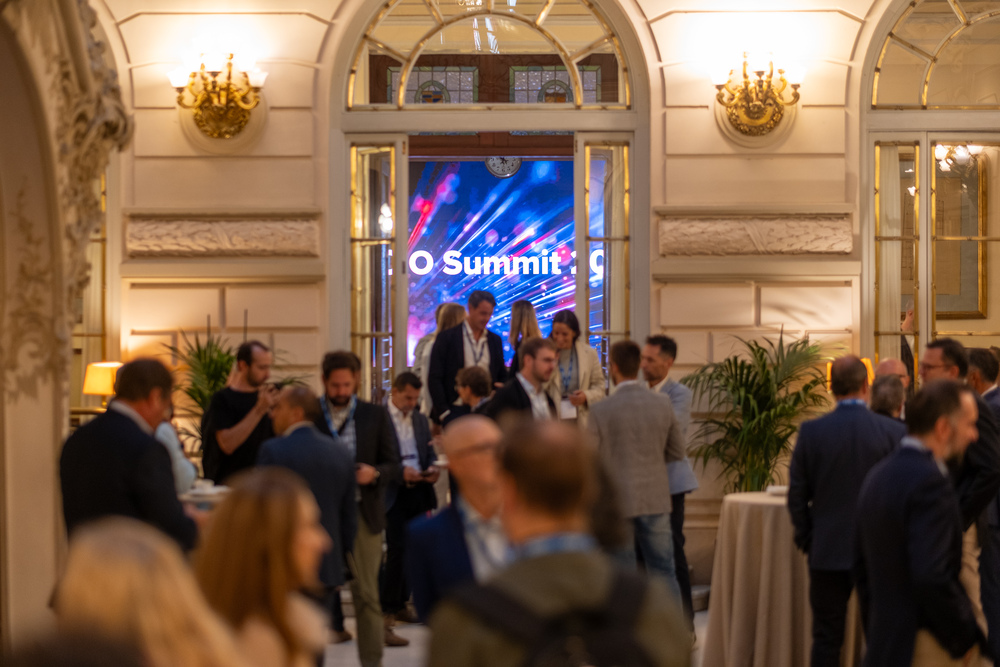
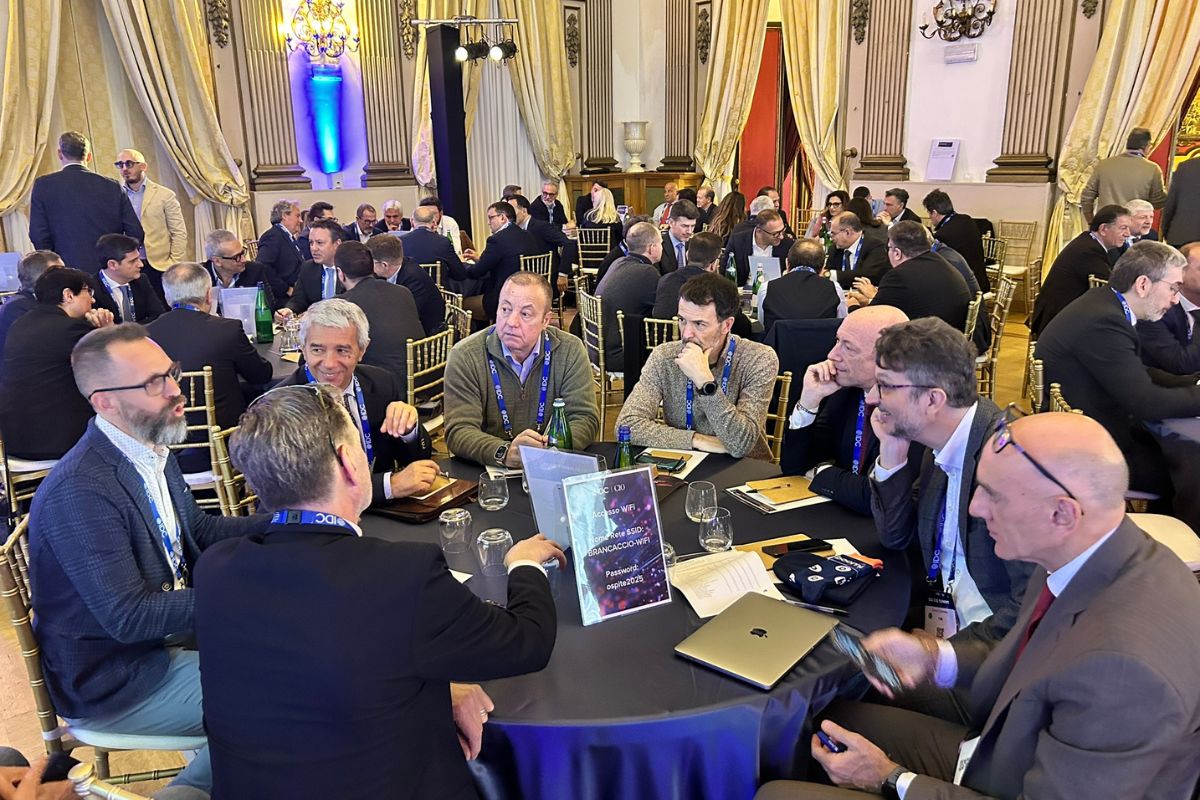
Agentic AI, aziende, istituzioni e Sistema Paese: una nuova leva di sviluppo
L’IDC CIO Summit Italy 2026 è l’evento di riferimento per dirigenti senior del mondo tecnologico e business che guidano la strategia aziendale e la leadership digitale in una delle economie europee più ambiziose e orientate alla trasformazione.
Pensato per CIO, CTO e leader della trasformazione, questo summit di una giornata offre insight concreti sulle principali priorità italiane per il 2026: modernizzazione, cybersecurity, sostenibilità, intelligenza artificiale e adozione dell’Agentic AI, oltre all’allineamento degli investimenti IT a valore di business misurabile, in un contesto normativo sempre più stringente.
Agenda
Gli analisti IDC e gli esperti di settore condivideranno indicazioni pratiche su come costruire architetture IT resilienti, sicure e sostenibili, ridurre il debito tecnologico e implementare l’intelligenza artificiale, inclusa l’Agentic AI, in modo responsabile e scalabile.
Attraverso keynote, panel e momenti di confronto collaborativo, il Summit fornisce ai CIO italiani framework strategici, ricerche esclusive e insight di leadership per guidare un’innovazione affidabile, rafforzare la resilienza e accelerare la trasformazione digitale fino al 2026 e oltre.
2026 Prediction
Entro il 2027, il 55% dei CIO delle aziende G1000 sarà incaricato di sviluppare playbook sul valore dell’AI a livello enterprise, includendo modelli di ROI ampliati per definire, misurare e dimostrare l’impatto dell’intelligenza artificiale su efficienza, crescita e innovazione.
Main Themes
Il CIO come Business Strategist
I CIO sono passati da leader operativi a strateghi aziendali. Con la trasformazione digitale che ridefinisce ogni modello di business, la leadership tecnologica diventa un fattore chiave di competitività. Il CIO di oggi deve allineare le priorità IT agli obiettivi di business, influenzare l’agenda del board e guidare innovazioni capaci di generare valore misurabile.
Modernizzazione, Sistemi legacy e Technical debt
Gestire il debito tecnico non è più solo una questione di manutenzione, ma una priorità strategica. Modernizzare i sistemi legacy, semplificare le architetture e ottimizzare le strutture dei costi consente alle organizzazioni di spostare risorse dalla manutenzione all’innovazione. Portafogli tecnologici snelli offrono l’agilità necessaria per competere in un’economia digitale.
The Agentic AI Revolution
L’Agentic AI segna il passaggio dall’automazione all’autonomia. I CIO devono saper governare, scalare e integrare sistemi di intelligenza artificiale autonoma in modo responsabile, bilanciando le opportunità con il controllo per creare aziende intelligenti e autonome.
Resilience by Design
La resilienza sta emergendo come la capacità distintiva delle imprese moderne. Architetture adattive, infrastrutture sicure e una pianificazione integrata della continuità consentono alle organizzazioni di resistere alle interruzioni — che derivino da incertezze economiche, cambiamenti normativi o minacce informatiche — mantenendo al contempo crescita e fiducia.
Cybersecurity, Trust, & Digital Sovereignty
Con l’espansione degli ecosistemi digitali, la fiducia diventa un elemento critico. I CIO devono affrontare in modo integrato cybersecurity, sovranità dei dati e compliance, assicurando che le strategie cloud e le operazioni transfrontaliere siano allineate alle normative in evoluzione. Costruire fiducia digitale significa garantire protezione e al contempo ottenere un vantaggio competitivo.
Building the Intelligent Enterprise
I dati sono la base di ogni organizzazione intelligente. Architetture dati affidabili, governate e accessibili consentono ad AI, automazione e analytics di operare su larga scala. Le imprese che investono in solide fondamenta dati sono meglio posizionate per estrarre insight, anticipare i cambiamenti e ottenere risultati di business più intelligenti e rapidi.
2026 Prediction
Entro il 2027, le organizzazioni G1000 dovranno affrontare un aumento fino al 30% dei costi di infrastruttura AI sottostimati, spingendo i CIO ad ampliare il raggio d’azione dei team FinOps per ottimizzare le spese e aumentare il valore di business.
Speaker
Roberta Bigliani
Group Vice President, Global Lead for Energy & Retail Insights and Industry Hub
IDC
Read Bio
Roberta Bigliani
IDC
Group Vice President, Global Lead for Energy & Retail Insights and Industry Hub
Roberta Bigliani is a Group Vice President at IDC, and Global Lead for Energy Insights, Retail Insights, and the IDC Industry Hub.
She leads IDC’s global research, data, and custom delivery agendas for energy, utilities, and retail, and oversees the Industry Hub, which drives cross-industry initiatives and collaboration.
A recognized expert in industry and business transformation, with longstanding experience in energy and utilities, Roberta’s work centers on how AI and digital technologies are reshaping the industry – enabling new business and operating models, enhancing operations and customer experiences, and effectively integrating IT and operational technology.
Her work combines deep sector expertise with a cross-industry lens, helping organizations understand how disruption and innovation propagate across sectors and markets.
Roberta regularly advises senior managers and executives at both technology suppliers and end-user organizations, speaks at international conferences, and moderates executive-level discussions.
She is based in Milan, Italy.

Massimiliano Claps
Research Director
IDC
Read Bio
Massimiliano Claps
IDC
Research Director
Massimiliano (Max) Claps is the research director for the Worldwide National Government Platforms and Technologies research in IDC’s Government Insights practice. In this role, Max provides research and advisory services to technology suppliers and national civilian government senior leaders in the US and globally. Specific areas of research include improving government digital experiences, data and data sharing, AI and automation, cloud-enabled system modernization, the future of government work, and data protection and digital sovereignty to drive social, economic, and environmental outcomes for agencies and the public.
BACKGROUND
Max Claps has over 20 years of public sector experience. After starting his career as a management consultant, he joined IDC in 2002 as the lead analyst for the government, healthcare, and education industries in Europe. He has since held various analyst and management roles at IDC working as an advisor to technology suppliers, public sector senior leaders and policymakers throughout North America, Europe, the Gulf Region, Asia-Pacific, and Latin America. He focused on helping public sector organizations realize the benefits of artificial intelligence, edge computing, cloud computing, shared services, digital services, smart cities, and sustainable mobility and transportation. Max also worked at Gartner, where he was research director and agenda manager for the global government research analyst team. IMax spent two years at SAP, where he was the global solution lead for the SAP Future Cities, Citizen Experience and Postal Services programs.
EDUCATION/INDUSTRY ACCOMPLISHMENTS
Claps holds a degree in international business from Bocconi University in Italy.
Throughout his career at IDC, Max Claps has been a co-author of several studies published on behalf of the European Commission on topics like eGovernment, location data and intelligence, cloud computing, and data spaces.
Max Claps has actively contributed to ITU working groups, such as the United for Smart Sustainable Cities (U4SSC) global UN initiative coordinated by ITU, UNECE and UN-Habitat, and the ITU focus group on Metaverse.
Event Sessions
Tuesday, May 19 2026 9:35 am | Location:
IDC Keynote
Elevare il potenziale del sistema paese nell’era dell’agentic AI
In un presente, ed un prossimo futuro dominato da incertezza geopolitica e impatto dirompente di tecnologie come l’intelligenza artificiale, le aziende private ed il settore pubblico sono chiamati ad agire come partner strategici per incrementare la resilienza e la competitività delle singole organizzazioni, degli ecosistemi e dell’intero sistema paese. In Europa, e nel mondo
- Le strategie di investimento il tecnologie come AI e quantum apriranno la strada alla competitività di domani.
- L’implementazione responsabile dell’AI getterà le basi per il lavoro del futuro.
- Le scelte di sovranità digitale determineranno il grado di autonomia strategica di aziende e pubbliche amministrazioni.
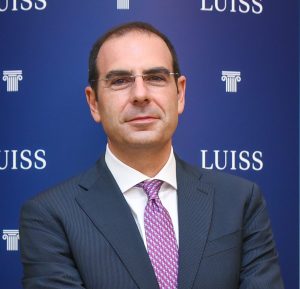
Francesco Amendola
Direttore Digital Transformation
LUISS Guido Carli
Read Bio
Francesco Amendola
LUISS Guido Carli
Direttore Digital Transformation
C-Level Manager con oltre 20 anni di esperienza professionale in ambito ICT, durante i quali ha ricoperto importanti incarichi manageriali in contesti pubblici e privati, con una forte esposizione internazionale.
Attualmente ricopre l’incarico di Direttore Digital Transformation della Luiss Guido Carli.
Laureato con lode in Ingegneria elettronica, ha conseguito un Master di II livello in Ingegneria ed Economia ed un MBA.
Esperto in Digital Transformation, IT Governance e Data-Driven Strategy, è Innovation Manager e Membro del Consiglio Direttivo del CDTI ETS.
Event Sessions
Tuesday, May 19 2026 10:30 am | Location:
Enduser Panel Discussion

Gianpiero Ciorra
Head of IT & Digital Transformation
Gambero Rosso
Read Bio
Gianpiero Ciorra
Gambero Rosso
Head of IT & Digital Transformation
CIO | Head of Digital Transformation & Innovation Program | Adjunct Professor
Gianpiero Ciorra is a CIO and Digital Transformation Leader with over 25 years of experience in defining and leading digital strategies within complex environments across media, telecommunications, and digital services industries.
He currently serves as Head of Digital Transformation & Innovation Program at Gambero Rosso, where he drives the evolution of the company’s digital model by integrating technology, data, and processes to enable new business models, unlock the value of information assets, and strengthen organizational competitiveness.
Throughout his career, he has designed and led transformation programs focused on platform modernization, cloud architecture adoption, data strategy development, and the creation of integrated digital ecosystems, with a strong emphasis on aligning IT with broader business objectives.
As an Adjunct Professor in Digital Transformation and Digital Marketing at Link Campus University in Rome, he complemented his executive role with a commitment to fostering innovation culture and developing the next generation of digital leaders.
Holding a degree in Computer Engineering, he advocates for a vision of the CIO as a strategic growth enabler — combining technology leadership, forward-looking vision, and measurable business impact.
Event Sessions
Tuesday, May 19 2026 11:45 am | Location:
Enduser Panel Discussion

Giorgio Dossena
Senior Presales Manager
Qlik
Read Bio
Giorgio Dossena
Qlik
Senior Presales Manager
Event Sessions
Tuesday, May 19 2026 12:00 pm | Location:
Tech Talk Sponsor

Francesco Paladini
Integration Sales Director
IBM Italy
Read Bio
Francesco Paladini
IBM Italy
Integration Sales Director
Event Sessions
Tuesday, May 19 2026 10:00 am | Location:
Host Sponsor speech
I nostri Partners

IBM Italy
IBM è fornitore globale leader di cloud ibrido, intelligenza artificiale e competenze di consulenza. Aiuta i clienti in oltre 175 paesi a valorizzare le informazioni ricavate dai loro dati, ottimizzare i processi aziendali, ridurre i costi e ottenere un vantaggio competitivo nei loro settori. Più di 4.000 imprese pubbliche e private che operano in settori chiave dell’economia, come servizi finanziari, telecomunicazioni e sanità, si affidano alla piattaforma cloud ibrida IBM e Red Hat OpenShift per realizzare i loro progetti di trasformazione digitale in modo rapido, efficiente e sicuro. Le innovazioni di IBM nell’intelligenza artificiale, nell’informatica quantistica, nelle soluzioni cloud specifiche di settore e nella consulenza offrono alle imprese opzioni di offerta aperte e flessibili tra cui scegliere. Tutto questo è supportato dall’attenzione e impegno di lunga data di IBM verso i valori di fiducia, trasparenza, responsabilità, inclusione e servizio. Visitare ibm.com/it-it per maggiori informazioni.

Qlik
Qlik transforms complex data landscapes into actionable insights, driving strategic business outcomes. Serving over 40,000 global customers, our portfolio leverages advanced, enterprise-grade AI/ML and pervasive data quality. We excel in data integration and governance, offering comprehensive solutions that work with diverse data sources. Intuitive and real-time analytics from Qlik uncover hidden patterns, empowering teams to address complex challenges and seize new opportunities. Our AI/ML tools, both practical and scalable, lead to better decisions, faster. As strategic partners, our platform-agnostic technology and expertise make our customers more competitive.
ImpresaCity
Reportec

Come partecipare
L’evento, che si terrà il 19 maggio 2026 a partire dalle ore 9:00, è gratuito (previa compilazione del modulo di registrazione) per i professionisti dei seguenti settori: Manifatturiero, Automotive, Fashion, Finance, Banche e Assicurazioni, Retail, Energia e Utility, Media, Pubblica Amministrazione, Sanità, Istruzione, Trasporti, Logistica, Telecomunicazioni, Servizi Personali e Professionali.
L’accesso all’evento non è consentito a aziende ICT non sponsor (vendor, distributori, rivenditori, VAR, system integrator), a società di consulenza e servizi ICT, a privati e liberi professionisti.
La lingua ufficiale dell’evento è l’italiano.
Non è l'evento giusto per te?
Non preoccuparti, abbiamo tanti altri eventi che possono fare al caso tuo! Iscriviti per ricevere i nostri inviti e ti invieremo un messaggio non appena avremo un nuovo evento che pensiamo possa interessarti.
Sign upKnowledge Hub
The AI homework nobody asked for (but everyone’s getting anyway)
Artificial Intelligence has officially reached the “you can do anything with it” stage of technological hype. Judging just by AI vendor narratives, and by some of the media, it’s the golden key to productivity, efficiency, optimization and innovation.
The Agentic Business Future: Driving Resilience, Sovereignty, and Innovation in EMEA
As organizations navigate an era defined by economic uncertainty, geopolitical shifts, and relentless technological change, one truth stands out: the future belongs to those who can harness AI, automation, and sovereignty to build resilience, drive innovation, and unlock growth.
EMEA’s Tech Evolution – 7 Key Themes Transforming Business in 2025
The technology landscape across Europe, Middle East, and Africa (EMEA) is changing rapidly in 2025, with innovations actively reshaping industries and creating new business opportunities.
Partners
Poznaj naszych tegorocznych Partnerów!
CIO Summit 2026 to nie tylko agenda pełna inspirujących wystąpień, ale przede wszystkim przestrzeń do budowania relacji i realnej współpracy.
Partnerzy wydarzenia to organizacje, które dzielą się wiedzą, doświadczeniem i technologią, aktywnie wspierając społeczność CIO w mierzeniu się z kluczowymi wyzwaniami współczesnej transformacji cyfrowej.
Host Partner

HCL Software
We’re a global company built on a foundation of trusted heritage. We go beyond just enabling your digital transformation; we fuel the Digital+ Economy. With our five core pillars—Business Applications, AI & Intelligent Operations, Total Experience, Data and analytics, and Cybersecurity—we provide a comprehensive toolkit to bridge the gap between where you are and where you need to be.
Tech Talk Partner

Cloudera
Cloudera is the only true hybrid platform for data, analytics, and AI. With 100x more data under management than other cloud-only vendors, Cloudera empowers global enterprises to transform data of all types, on any public or private cloud, into valuable, trusted insights. Its open data lakehouse delivers scalable and secure data management with portable cloud-native analytics, enabling customers to bring GenAI models to their data while maintaining privacy and ensuring responsible, reliable AI deployments.
Strategic partner
At Ping, we make it possible to trust every digital moment: moments with customers, employees, partners, and non-human identities. Whether you’re securing milli…
Learn More
Ping Identity
Ping makes it possible to trust every digital moment. Our enterprise-grade identity platform secures customers, employees, partners, and non-human identities at scale across cloud, hybrid, and on-prem. From passwordless to AI-ready, we help you fight fraud, simplify access, and accelerate growth.
With us, trust is built in.
Learn more at www.pingidentity.com.
Partners
Meet our 2026 Partners
CIO Summit 2026 is not only an agenda filled with inspiring sessions, but above all a space for building relationships and meaningful collaboration.
Event Partners are organizations that share their knowledge, experience, and technologies, actively supporting the CIO community in addressing the key challenges of today’s digital transformation.
Host Partner
HCL Software
We’re a global company built on a foundation of trusted heritage. We go beyond just enabling your digital transformation; we fuel the Digital+ Economy. With our five core pillars—Business Applications, AI & Intelligent Operations, Total Experience, Data and analytics, and Cybersecurity—we provide a comprehensive toolkit to bridge the gap between where you are and where you need to be.
Tech Talk Partner
Cloudera
Cloudera is the only true hybrid platform for data, analytics, and AI. With 100x more data under management than other cloud-only vendors, Cloudera empowers global enterprises to transform data of all types, on any public or private cloud, into valuable, trusted insights. Its open data lakehouse delivers scalable and secure data management with portable cloud-native analytics, enabling customers to bring GenAI models to their data while maintaining privacy and ensuring responsible, reliable AI deployments.
Strategic partner
At Ping, we make it possible to trust every digital moment: moments with customers, employees, partners, and non-human identities. Whether you’re securing milli…
Learn More
Ping Identity
Ping makes it possible to trust every digital moment. Our enterprise-grade identity platform secures customers, employees, partners, and non-human identities at scale across cloud, hybrid, and on-prem. From passwordless to AI-ready, we help you fight fraud, simplify access, and accelerate growth.
With us, trust is built in.
Learn more at www.pingidentity.com.