Partners

HCL Software

Host Partner
Ping Identity & IT Smart Systems

Strategic partner
Cloudera

Tech Talk Partner

vSoft

Tech Talk Partner

Coursera

Tech Talk Partner

Workday

Tech Talk Partner

Oobeya

Tech Pitch Partner

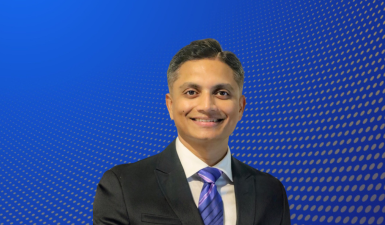
Knowledge Hub / Vivek Ganesh

Partner Spotlight

Vivek Ganesh
RVP
OutSystems India

Partner Spotlight

The Enterprise AI Reality Check: 6 Predictions for 2026

Based on conversations with several CIOs about their biggest challenges (and hopes) as they look ahead to 2026, I learned some unexpected things along the way. What I learnt challenges much of the prevailing wisdom from AI prognosticators.


Here are 10 surprising, and perhaps controversial, predictions based on these conversations that point to where our industry may truly be headed.


1. AI will increase complexity before it reduces it


What most people aren’t seeing today is the potential for AI to help with the harder stages of the enterprise software development lifecycle. They are overindexing on the build phase, but creating bottlenecks downstream in quality control, security, maintenance, and updates.


2026 will be the year IT teams turn their focus to containing and auditing ungoverned AI-generated apps and agents. Those who use AI to systematically govern their full portfolio will be the first to realize the true potential of AI-driven development.


2. Most AI agents will fail in production


Demos of autonomous AI agents are spectacular. Unfortunately, these demos crumble when they meet an enterprise production environment, and this is likely to get worse soon.Most autonomous agents will need tight orchestration layers and human-in-the-loop controls. In other words, they’ll need new platforms. Autonomy only works in fantasy. It’s orchestration that wins in reality.


3. The enterprise winners will be platforms, not models


The days when every company was racing to build their own LLM have passed. While a handful of big LLMs will dominate the mass market for consumer AI, enterprise leaders will be able to choose among more specialized options and even develop agents that connect to more than one LM for different scenarios. Owning the model matters less than owning the lifecycle.


4. AI will shift value from feature delivery to system integrity


The risks (data leaks, hallucinations, policy violations etc.)of unmanaged AI running rampant without enterprise-grade guardrails are too great to ignore.The ability to ensure correctness at scale becomes more important than the ability to generate software. The market will reward platforms that can ensure AI-driven systems behave as intended, every single time.


5. Shadow AI will become a bigger problem than shadow IT ever was


The fact that non-technical users can generate production code and workflows with LLMs is far more dangerous than unauthorized SaaS adoption. Without any oversight at all, a business user with an unvetted LLM can generate production-level code, create autonomous workflows, or exfiltrate sensitive enterprise data. This risk is insidious, viral, and incalculable.


6. CIOs will spend more on control and governance, not less


AI promises deflation even in the face of inference costs. But the reality will be re-inflation of IT budgets to offset New security layers, New model oversight, New compliance obligations, and New skills


The real opportunity


To recap, the future of software development is one where:


– AI accelerates output

– SaaS and bundled software lose their grip on the enterprise

– Architecture, security, and governance get harder

– Platforms that manage complexity gain relevance

– Enterprise value shifts from code to lifecycle management

– Non-tech companies will manage a growing portfolio of software IP

– The future belongs to platforms that help them bring order to AI-generated chaos.

Integration Executive Forum

Integration Executive Forum

Impulsando la empresa agéntica.

Patrocinado por

Logo

La aceleración digital, la adopción de la nube y la rápida evolución de la IA han multiplicado la complejidad tecnológica en las organizaciones. Plataformas desconectadas, integraciones rígidas y modelos poco escalables siguen siendo un freno para la innovación y la generación de valor.


El 24 de marzo, IBM e IDC reúnen a líderes tecnológicos y responsables de TI en una jornada pensada para analizar cómo una estrategia de integración moderna puede eliminar fricciones, optimizar costes y sentar las bases para escalar la IA empresarial con seguridad y control.


A través de la visión conjunta de expertos de IBM y analistas de IDC, abordaremos los principales retos a los que se enfrentan hoy las áreas de TI y cómo están respondiendo las organizaciones más avanzadas.
Déjese sorprender y regístrese a una jornada en la que además de disfrutar tendrá la oportunidad de aprender y charlar con líderes del sector.


Agenda

Integration Executive Forum

One Day Event

9:30 am

Registro y café de bienvenida

10:00 am

Bienvenida y apertura

Luis Fernandes

Luis Fernandes

Senior Research Manager, Infrastructure, IDC Europe

Javier Roncero

Javier Roncero

Javier Roncero, Director de software de Automatización, IBM

10:05 am

Tendencias clave en integración y automatización IT: estrategias de modernización de las empresas líderes

Luis Fernandes

Luis Fernandes

Senior Research Manager, Infrastructure, IDC Europe

10:25 am

Transformando la infraestructura tecnológica en un motor real de crecimiento

Las organizaciones invierten el 67% de su presupuesto IT en transformación digital. Sin embargo, existe una brecha crítica entre inversión y resultados: el 95% de las compañías no obtiene retornos de sus iniciativas de IA, según el MIT. Exploramos las claves para cerrar esta brecha y convertir la tecnología en un verdadero catalizador de crecimiento del negocio.

Bruno Braz

Bruno Braz

Director de soluciones de Integración, IBM

10:50 am

Unifica tu negocio con visibilidad y control en tiempo real

La fragmentación de sistemas y múltiples patrones de integración limita la visibilidad y aumenta el riesgo operativo. En esta sesión con demo en directo veremos cómo IBM webMethods Hybrid Control Plane unifica gobierno, seguridad y cumplimiento desde un único punto de control, simplificando la gestión y proporcionando visibilidad completa en tiempo real.

José Miguel Indave

José Miguel Indave

Director Técnico de soluciones de Integración, IBM

11:20 am

Coffee Break

11:40 am

Mesa Redonda: Automatización con IA: eficiencia, innovación y resiliencia

La explosión de aplicaciones y datos, aumentada ahora por los LLMs y la IA Agéntica, ha provocado un “caos de conectividad” que frena los resultados de la automatización. En esta mesa redonda con expertos debatiremos cómo la integración inteligente desbloquea el valor de los datos e impulsa la eficiencia operativa real.

Luis Fernandes

Luis Fernandes

Senior Research Manager, Infrastructure, IDC Europe

Ignacio Basanta

Ignacio Basanta

Responsable de ventas de soluciones de Integración, IBM

José Luis Teja

José Luis Teja

Senior Account Technical Leader, IBM

12:00 pm

Preparados para la IA Agéntica

Para escalar la IA empresarial con confianza, la integración es un factor crítico de doble impacto: la integración como habilitador para desplegar las iniciativas de IA de forma segura; y la IA agéntica integrada dentro de las propias herramientas de integración para multiplicar la productividad y acelerar resultados. Terminaremos con una demo del uso de  Agentes de Integración dentro de la plataforma iPaaS (integración como servicio) de IBM

José Miguel Indave

José Miguel Indave

Director Técnico de soluciones de Integración, IBM

12:30 pm

Conclusiones

Bruno Braz

Bruno Braz

Director de soluciones de Integración, IBM

Luis Fernandes

Luis Fernandes

Senior Research Manager, Infrastructure, IDC Europe

12:40 pm

Networking y cóctel

Ponentes

Luis Fernandes

Luis Fernandes

Senior Research Manager, Infrastructure

IDC Europe

Read bio

José Miguel Indave

José Miguel Indave

Director Técnico de soluciones de Integración

IBM

Read bio

Bruno Braz

Bruno Braz

Director de soluciones de Integración

IBM

Read bio

Ignacio Basanta

Ignacio Basanta

Responsable de ventas de soluciones de Integración

IBM

Read bio

Javier Roncero

Javier Roncero

Javier Roncero, Director de software de Automatización

IBM

Read bio

José Luis Teja

José Luis Teja

Senior Account Technical Leader

IBM

Read bio

Patrocinado por

Lugar

Restaurante Élkar

Élkar, el restaurante más alto de España, a 160 metros de altura en la planta 33 de Torre Emperador Castellana. Con las mejores vistas de Madrid, y un ambiente exclusivo, Élkar es un destino imprescindible para amantes de la buena comida.

Restaurante de alta gastronomía vasca, cuya propuesta nace de la unión entre dos chefs de reconocido prestigio como son Sergio Ortiz de Zárate, Estrella Michelin y Beñat Ormaetxea, Premio Nacional de Jóvenes Chef.

Torre Emperador Castellana, P.º de la Castellana, 259D, Planta 33, 28046 Madrid

IT Security Summit

IT Security Summit

Securing an AI-Powered Business

25 Jun 2026 Milan, Italy
Slide
Slide
Slide
Slide

Navigating the new frontier of trust, compliance and innovation

The IDC IT Security Italy 2026 is the definitive event for business, security, and technology leaders to explore how to embed trust, governance, and resilience at the core of digital transformation.

Italy is entering a pivotal stage in its cybersecurity and digital modernization journey. According to IDC, European security spending is forecast to grow at a compound annual rate of around 9.4% through 2029, with software, analytics, and cloud-native protection leading the market. In Italy, organizations are responding to rising cyber threat activity, expanded EU regulatory requirements, as well as growing national efforts to strengthen digital sovereignty and critical infrastructure resilience.

At the same time, AI is transforming Italy’s security landscape. IDC research shows that nearly 40% of European organizations are already investing in AI or automation, and more than 70% expect AI-driven disruption within the next 18 months.

For Italian security leaders, AI represents both an opportunity and a growing area of risk. It is improving threat detection, incident response, and automation, but it is also enabling new attack vectors such as deepfakes, AI-generated phishing, and automated exploitation. In response, Italian organizations are investing in AI-driven analytics, identity and access management (IAM), and managed detection and response (MDR) to enhance protection while maintaining transparency, governance, and ethical AI adoption.

Agenda

The IDC IT Security Summit, is the ultimate meeting point for business, security, and technology leaders looking to embed trust, governance, and resilience at the heart of their digital transformation strategies.

Join IDC analysts and industry experts to explore how to build trusted digital ecosystems that combine innovation with assurance. Gain insights into Italy’s most dynamic sectors and walk away with actionable frameworks to make security a strategic differentiator, not just a reactive cost.
Main Themes

Regulation, Resilience and Value Creation​

Regulatory compliance is no longer a back-office burden, it’s a strategic enabler. We will explore how organizations can embed regulatory mandates (data privacy, cybersecurity laws, emerging AI/tech rules) into core operations, turning requirements into levers for resilience, stakeholder trust, and business value. Keytopics include cyber-by-design, auditability, vendor accountability, and continuity in the face of disruption.

AI, Automation & Responsible Innovation

AI and intelligent agents are transforming how security is delivered, but with great power comes risk. We will explore pragmatically deploying AI: governance models, guardrails for misuse, prioritization of high-impact use cases, and aligning AI systems with trust, transparency, and accountability.

Operations, Analytics and Resilience Engineering

Detection, response, and recovery are now continuous cycles rather than discrete events. We’ll delve into advanced analytics, managed detection & response, orchestration, external threat visibility (supply chain, third parties), and resilience metrics to operationalize security effectiveness.

The Human Factor: Leadership and Culture

Technology alone doesn’t guarantee security. Leadership, culture, and skill development must align. We will focus on transforming teams, embedding security ownership across functions, and equipping leaders to speak the language of risk and trust to the board, CEOs, and business lines.

Incident and Trust Recovery

Breaches will happen, but what matters is how an organization responds. We will cover crisis communication, forensic response, regulatory handling, insurance, stakeholder trust restoration, and turning adversity into credibility.

Sector and Domain Security Challenges

Different industries and environments pose unique security demands. We will focus on securing critical infrastructure (energy, utilities), connected devices and IoT, healthcare, finance, and emerging environments like smart cities or industrial systems.

Venue

Magna Pars Event Space

Via Tortona 15, 20144, Milan – Italy


Speaker

Roberta Bigliani

Roberta Bigliani

Group Vice President, Global Lead for Energy & Retail Insights and Industry Hub

IDC

Read bio

Massimilano Besana

Massimilano Besana

Area Sales Manager, Italy, Exposure Management

Check Point

Read bio

Lorenzo De Amici

Lorenzo De Amici

Commercial Account Executive Italy

Wasabi

Read bio

Luca Della Giovanna

Luca Della Giovanna

Chief Information Security Officer

Humanitas

Read bio

Marco D’Elia

Marco D’Elia

Country Manager

Sophos Italia

Read bio

Marco Frenquellucci

Marco Frenquellucci

Group Leader, Italy, Service & Solution Group

Lenovo

Read bio

Andrea Gilli

Andrea Gilli

Senior Advisor Office of Undersecretary of Italian Defence & Lecturer in Strategic Studies

University of St Andrews

Read bio

Thomas Mascioli Colavecchi

Thomas Mascioli Colavecchi

Chief Information Security Officer

Polo Strategico Nazionale

Read bio

Mauro Pisoni

Mauro Pisoni

Senior Sales Engineer

Sophos

Read bio

Stefano Righetti

Stefano Righetti

Head of IT Governance, Information Security & Strategy

Acciaierie d'Italia

Read bio

Joel Stradling

Joel Stradling

Senior Research Director, European Security

IDC

Read bio

Pierluigi Torriani

Pierluigi Torriani

Sales Engineering Manager

Check Point

Read bio

Giovanni Tosi

Giovanni Tosi

Enterprise Account Executive

Riot

Read bio

Cristiano Voschion

Cristiano Voschion

Country Manager Italia

Check Point

Read bio

Giovanni Zanetti

Giovanni Zanetti

Cybersecurity Operations Manager e Vicepresidente AIPSI

Fondazione Milano Cortina 2026

Read bio

Our Partners

How to join

The event, which will take place on June 25, 2026 starting at 9:00 am is free of charge (upon filling the registration form), for professionals in the following sectors: Manufacturing, Automotive, Fashion, Finance, Banking and Insurance, Retail, Energy and Utilities, Media, Government, Health, Education, Transports, Logistics, Telecommunications, Personal and Professional Services.

Access to the event is not allowed for non-sponsoring ICT companies (vendor, distributors, reseller, VAR, system integrator), ICT consultancy and services companies, private individuals and freelancers.

The official language of the event is Italian.

Knowledge Hub

The NIS 2 directive – where are we now?

The deadline for the transposition of the EU’s second Network and Information Systems Security directive (NIS 2) came and went in October 2024 with only a handful of member states having completed the task.

Read more

European ICT spending implications of NATO’s 5% GDP spending target

At the 2025 NATO Summit in The Hague a few weeks ago, member states pledged to allocate 5% of their annual GDP to core defense requirements and defense- and security-related expenditures by 2035.

Read more

IAM 2025: The Rise of the Machines

Identity and access management (IAM), and by extension, identity security, is one of the most pervasive and impactful challenges facing all European organizations today, from an operational and risk management perspective.

Read more

AI Visionaries Acknowledgment

AI Visionaries Acknowledgment

Name(Required)
Business Email(Required)
Country of Residence(Required)

AI & Data Summit

AI & Data Summit

Enterprise-wide Governance and Business Impact Decisions

Slide
Slide
Slide
Slide
Slide

Performance Meets Responsibility: Can AI Deliver Both?

The IDC AI & Data Summit is a flagship event for CIOs, Chief Data Officers, and AI & Data leaders, as well as business and support function executives and managers driving enterprise transformation through artificial intelligence.

Beyond technology, the IDC AI & Data Summit addresses a central question: can we drive AI that is both high-performing, trustworthy and responsible?
Decision-making, skills, governance, and value creation are now shared challenges across IT, data, and business teams.

Through forward-looking, academic, and business perspectives, the Summit equips decision-makers with the insights needed to drive AI pragmatically and at scale.
Global Overview

In 2025, AI investments in Europe reached $72.5 billion, with over 20% dedicated to generative AI.

While AI is establishing itself as a major strategic lever, scaling it remains a complex challenge.

According to IDC, 68% of European companies cite a lack of AI and data skills as a key barrier, while governance is still struggling to keep pace with usage.

The IDC AI & Data Summit supports technology and business leaders in reconciling AI performance, responsibility, and impact management.

Our 2026 Speakers

Aurélien Fenard

Aurélien Fenard

Directeur de la Transformation Digitale & Données RH

FRANCE TRAVAIL

Read Bio

Christophe Vaudable

Christophe Vaudable

VP Data

ACCOR

Read Bio

Pierre Jarrijon

Pierre Jarrijon

Responsable de l'accélération IA

BPIFRANCE

Read Bio

Philippe Rambach

Philippe Rambach

SVP, Chief AI Officer

SCHNEIDER ELECTRIC

Read Bio

Sébastien Pacchini

Sébastien Pacchini

Head of Data & AI Operation

RENAULT

Read Bio

Nicolas Grandclaude

Nicolas Grandclaude

Digital Transformation Manager

HUSQVARNA

Read Bio

Thierry Taboy

Thierry Taboy

Impact AI board member

CFE CGC AI federal referent

Read Bio

Nicolas Fayet

Nicolas Fayet

Group Transformation Director

COFACE

Read Bio

Julien Maillard

Julien Maillard

AI & Data Team Group Director

HAGER GROUP

Read Bio

Olaf Kouamo

Olaf Kouamo

Head of Data Science and Artificial Intelligence

SUEZ

Read Bio

Ilhem Alleaume

Ilhem Alleaume

Présidente du

Réseau Emplois Compétences et Prospective Métiers et Qualifications

Read Bio

Jean-Noël Chaintreuil

Jean-Noël Chaintreuil

Workforce Preparedness

Author of « RH & IA »

Read Bio

Stéphane Mariotto

Stéphane Mariotto

Global CIO & CISO

FIDAL

Read Bio

Nat Ives

Nat Ives

Director Enterprise Benelux, France and Nordics

NVIDIA

Read Bio

Maliky Camara

Maliky Camara

France Server Brand Manager

DELL TECHNOLOGIES

Read Bio

Eric Bezille

Eric Bezille

Senior Presales Manager, Systems Engineering – CTO Ambassador

DELL TECHNOLOGIES

Read Bio

Rahmani Cherchari

Rahmani Cherchari

Senior Director – ISG Specialty Sales France

DELL TECHNOLOGIES

Read Bio

Ewa Zborowska

Ewa Zborowska

Research Director

IDC

Read Bio

Dominique Thomas

Dominique Thomas

SVP Sales & Commercial Strategy Southern Europe

Syndigo

Read Bio

David Enaut

David Enaut

Senior Manager, Sales Engineering

Veeam France

Read Bio

Jeremy Agenais

Jeremy Agenais

Regional Sales Manager Securiti AI

Veeam France

Read Bio

Agenda

AI & Data Summit

One Day Event

8:30 am

Welcome and Networking Breakfast

Kick off the day with coffee and conversation, connecting IT decision-makers, data leaders, and business and support managers for their first encounters.

9:00 am

IDC Opening Keynote

Can AI Deliver Both Performance and Responsibility?
Explore IDC’s insights on the AI revolution, the critical trade-offs between performance, governance, and responsibility, and the pivotal role of IT, data, and business leaders in shaping the future of AI.

Ewa Zborowska

Ewa Zborowska

Research Director, IDC

9:20 am

Partner keynote

From infrastructure to business value: how to successfully deliver your AI project with an AI Factory accelerated by NVIDIA and Dell Technologies.

Nat Ives

Nat Ives

Director Enterprise Benelux, France and Nordics, NVIDIA

Rahmani Cherchari

Rahmani Cherchari

Senior Director – ISG Specialty Sales France, DELL TECHNOLOGIES

9:35 am

Panel #1 – From Adoption to Impact: Structuring AI for Enterprise Succes

Operational and transformational, focused on mobilizing organizations.
How can we move from strategic intent to tangible transformation of teams, practices, and decision-making models?

Pierre Jarrijon, Head of AI Acceleration, Bpifrance

  • DAC Approach (Continuous Acceleration Framework)
  • Employee upskilling and AI awareness
  • AI in decision-making processes
  • Concrete use cases

Cyrille Charnier, Data Science & Artificial Intelligence Director, Verallia Group

  • Industrial requirement: zero error, no POCs
  • AI directly industrialized and reliable
  • AI serving operational excellence
  • Results-driven transformation
Pierre Jarrijon

Pierre Jarrijon

Responsable de l'accélération IA, BPIFRANCE

Cyrille Charnier

Cyrille Charnier

Data Science & Artificial Intelligence Director, VERALLIA GROUP

10:05 am

How data security enables the enterprise to master its AI

Mastering your data means mastering your AI within the organization. Discover how to map your data, automate compliance, strengthen governance, and protect sensitive data to ensure a controlled use of AI.

David Enaut

David Enaut

Senior Manager, Sales Engineering, Veeam France

Jeremy Agenais

Jeremy Agenais

Regional Sales Manager Securiti AI, Veeam France

10:20 am

Tech Pitch- Syndigo

Driving AI Innovation Without Losing Control
Key insights on aligning technology, governance, and organizational choices to achieve innovation, performance, and responsibility.

Dominique Thomas

Dominique Thomas

SVP Sales & Commercial Strategy Southern Europe, Syndigo

10:25 am

IDC Connect Workshop

Workshop Syndigo – Garbage In, Autonomous Chaos Out: Why Agentic AI Fails Without Trusted Data
with the following structure:
– Reality Check: Is Your Data Ready for Autonomous AI? What does “high quality data mean”? Do you know the six main criteria of quality data?
– Scenario: AI Agents Making Product Decisions
– Interactive Exercise: Designing Data for an AI Agent
– Framework: The Data Foundation for Agentic Commerce
– Closing Insight

Dominique Thomas

Dominique Thomas

SVP Sales & Commercial Strategy Southern Europe, Syndigo

10:25 am

IDC Connect Workshop

Dell Technologies and NVIDIA Workshop – Implementing a Private and Sovereign AI Stack: Leveraging the Right Models and Data for Your Business Use Cases
With the insights of Eric Bézille and Maliky Camara, let’s build together your secure, sovereign, and high-performance Data & AI platform, integrated into your IT system and aligned with your business challenges.

Our Promises / benefits at the end of the Workshop:

  • Under what conditions can sovereignty, security, and performance truly coexist in your AI strategy?

  • In what way does starting from your business use cases allow for providing the right models to your teams?

  • How far can you (re)take control of your data, your models, and your infrastructure?

  • What steps should be taken to sustainably move from POC to the industrialization of your AI use cases?

  • And above all, you will leave with a roadmap and operational advice to structure your next steps.

Eric Bezille

Eric Bezille

Senior Presales Manager, Systems Engineering – CTO Ambassador, DELL TECHNOLOGIES

Maliky Camara

Maliky Camara

France Server Brand Manager, DELL TECHNOLOGIES

11:35 am

Coffee break and networking

11:45 am

Sales & AI: How Can Technology Drive Business Impact?

AI as a Direct Driver of Growth and Sales Efficiency

Nicolas Grandclaude, Digital Transformation Manager, Husqvarna

  • AI powering commercial performance

  • ROI as a key performance indicator

  • Measuring tangible and intangible impacts

Christophe Vaudable, VP Data, Accor

  • AI and Generative AI in sales

  • Task reorganization and process optimization

  • Implications for workforce and investment planning

Christophe Vaudable

Christophe Vaudable

VP Data, ACCOR

Nicolas Grandclaude

Nicolas Grandclaude

Digital Transformation Manager, HUSQVARNA

12:05 pm

Panel #2 – Steering AI in the Enterprise: From Strategy to Operational Reality

Strategic structuring and institutional governance. How can AI be industrialized across complex organizations?

Philippe Rambach, SVP Chief AI Officer, Schneider Electric

  • AI structuring since 2021
  • Integration with the board
  • Team organization
  • Scaling AI globally for Customers & Employees

Christophe Vaudable, VP Data, Accor

  • AI governance frameworks
  • Balancing performance and compliance
  • Internal organizational design
Philippe Rambach

Philippe Rambach

SVP, Chief AI Officer, SCHNEIDER ELECTRIC

Christophe Vaudable

Christophe Vaudable

VP Data, ACCOR

12:35 pm

Tech Talk- Boomi

Antoine Bertora

Antoine Bertora

Senior Solution Consultant, Boomi

12:45 pm

Case Study – Structuring a Group-Wide AI Program: Adoption, Governance, and Barriers

  • Cross-functional deployment across the organization

  • Board and team relations

  • Accelerators and points of resistance

Julien Maillard

Julien Maillard

AI & Data Team Group Director, HAGER GROUP

1:00 pm

Networking Lunch

2:00 pm

AI in Public Service: Driving Performance Without Losing the Human Touch

  • Embedding AI into public service processes

  • Insights from the Court of Auditors

  • Completed projects and roadmap for implementation

  • Collaboration between AI systems and human staff

  • Long-term perspective on employment and workforce evolution

Aurélien Fenard

Aurélien Fenard

Directeur de la Transformation Digitale & Données RH, FRANCE TRAVAIL

2:20 pm

Case Study – AI for Legal Professions: Transforming the Practice of Law

  • Real-world use cases
  • Operational efficiency gains

  • Guidelines and responsible AI usage

Stéphane Mariotto

Stéphane Mariotto

Global CIO & CISO, FIDAL

2:30 pm

Industry Insights- AI in Action

Olaf Kouamo, Head of Data Science & AI, SUEZ

  • Applying AI to waste and water management operations

Nicolas Fayet, Group Transformation Director, Coface

  • AI for global financial data analysis

  • Human + AI: driving complementary decision-making

Sébastien Pacchini, Head of Data & AI Operations, Renault

  • AI in vehicle design

  • Using data to support engineering decisions

  • Enabling business teams through data and AI adoption

Olaf Kouamo

Olaf Kouamo

Head of Data Science and Artificial Intelligence, SUEZ

Sébastien Pacchini

Sébastien Pacchini

Head of Data & AI Operation, RENAULT

Nicolas Fayet

Nicolas Fayet

Group Transformation Director, COFACE

3:00 pm

Panel #3 – AI and the Future of Work: Moving Towards the Augmented Enterprise

A visionary debate on:

  • Agentic AI and system autonomy
  • AI in strategic decision-making
  • New balances between humans and machines
  • Long-term organizational responsibility

Thierry Taboy

Thierry Taboy

Impact AI board member, CFE CGC AI federal referent

Jean-Noël Chaintreuil

Jean-Noël Chaintreuil

Workforce Preparedness, Author of « RH & IA »

Ilhem Alleaume

Ilhem Alleaume

Présidente du, Réseau Emplois Compétences et Prospective Métiers et Qualifications

3:45 pm

Networking Cocktail

Advisory Board Members 2026

The AI & Data Summit Advisory Board is a curated network of Data, AI, and IT leaders, working alongside IDC to shape the event’s priorities and themes.

It offers a platform for peer-to-peer exchange, sharing strategic insights, and contributing to the Summit program, all within a trusted, confidential, and friendly environment.

We are excited to introduce the members of our 2026 Advisory Board below!

Christophe Vaudable

Christophe Vaudable

VP Data

ACCOR

Read Bio

Philippe Rambach

Philippe Rambach

SVP, Chief AI Officer

SCHNEIDER ELECTRIC

Read Bio

Sébastien Pacchini

Sébastien Pacchini

Head of Data & AI Operation

RENAULT

Read Bio

Ludovic Letort

Ludovic Letort

Directeur Data & AI Factory

AG2R LA MONDIALE

Read Bio

Olaf Kouamo

Olaf Kouamo

Head of Data Science and Artificial Intelligence

SUEZ

Read Bio

Mohamed Senhadji

Mohamed Senhadji

Innovation Acceleration Lead

ENGIE

Read Bio

Philippe Azoulay

Philippe Azoulay

Chief AI & Data Officer

PLUXEE

Read Bio

Ludi Akue

Ludi Akue

Chief Technology Officer- Digital

BPIFRANCE

Read Bio

Nicolas Grandclaude

Nicolas Grandclaude

Digital Transformation Manager

HUSQVARNA

Read Bio

Cyrille Charnier

Cyrille Charnier

Data Science & Artificial Intelligence Director

VERALLIA GROUP

Read Bio

Julien Maillard

Julien Maillard

AI & Data Team Group Director

HAGER GROUP

Read Bio

Nicolas Fayet

Nicolas Fayet

Group Transformation Director

COFACE

Read Bio

Aurélien Fenard

Aurélien Fenard

Directeur de la Transformation Digitale & Données RH

FRANCE TRAVAIL

Read Bio

Bilal Idiri

Bilal Idiri

Responsable Ingénierie IA – Tech Lead

AG2R La Mondiale

Read Bio

Stéphane Mariotto

Stéphane Mariotto

Global CIO & CISO

FIDAL

Read Bio

2026 Key Topics

Unlocking Data Value in the AI era

Organizations are shifting from merely “using AI” to strategically unlocking value from their data.Data maturity, encompassing quality, traceability, transparency, and reliability is now a critical lever for driving AI performance and transforming business operations.

Scaling AI: Moving from Pilot Projects to Enterprise Deployment

Moving beyond pilot projects, leaders need a structured approach to scaling AI.
Effective governance, robust operating models, reliable deployments, and thoughtful change management are all critical to embedding AI sustainably at the core of business operations, with control, continuity, and long-term impact.

AI You Can Trust: Transparent, Accountable, Responsible

Performance and responsibility go hand in hand.
Transparency of models, explainable decisions, bias control, and end-to-end auditability are now essential to building user trust, ensuring regulatory compliance, and making AI-driven decisions reliable.

Strategic Data Governance for Sovereignty and Interoperability

Navigating regulatory requirements, data flows, and business priorities, organizations need to strike the right balance.
This means implementing hybrid strategies, adopting shared governance models, and building interoperable architectures — all designed to deliver compliance, drive performance, and enable business agility at scale.

Mastering the New Frontier of Generative AI and Intelligent Agents

As generative AI and intelligent agents extend beyond basic assistance, executives must carefully manage the trade-offs between autonomy, control, cost, and risk.
The real challenge lies in integrating these technologies into business strategy, governance structures, and existing operations – ensuring that AI delivers both innovation and tangible, sustainable value.

Building AI-Ready Organizations: Skills, Leadership, and Culture

AI success depends on people, culture, and leadership.
Organizations must build AI awareness, develop the right skills, foster close collaboration between IT, data, and business teams, and guide change effectively. These elements are essential to embedding AI into daily operations in a sustainable and impactful way.

Partners

Further Reading

Observability: The Key to Managing Complex IT and AI Environments

As organizations accelerate digital transformation, cloud adoption, and AI integration, IT environments are becoming increasingly complex, distributed, and interdependent.
Traditional monitoring approaches can no longer provide the visibility needed. Observability has become a critical lever to understand system behavior, maintain control, and ensure the reliability and performance of both core IT infrastructure and AI architectures.

Read more

Agentic AI and Enterprise Resilience: Innovating with Control

In a context of economic uncertainty, geopolitical tensions, and rapid technological change, organizations must rethink their approach to resilience.

Agentic AI, automation, and strategic data sovereignty are emerging as essential pillars to drive innovation, safeguard operations, and support sustainable growth, all while ensuring that critical decisions remain under human oversight and aligned with organizational objectives.

Read more

Shadow AI: Risks, Governance, and Enterprise Control

AI is no longer confined to formal frameworks.
Similar to Shadow IT, Shadow AI proliferates through unmonitored use driven by individual productivity objectives. This phenomenon introduces significant challenges for security, compliance, and governance, while also slowing the enterprise-wide, controlled adoption of AI.

Read more

Venue

Cloud Business Center

10 bis Rue du 4 Septembre, 75002 Paris

Once again this year, we look forward to seeing you at the Cloud Business Center, in the heart of Paris’s 2nd arrondissement.
A central location, easily accessible by public transportation, and ideal for getting together and networking.

Speakers

Speakers

Leading experts and thought leaders who will share valuable insights and cutting-edge knowledge.
Speakers

Meet our speakers

Each speaker at the Security Summit brings a wealth of experience, innovative ideas and unique perspectives that will contribute significantly to shaping the future of our industry. Click on a speaker to view their full biography.
Anja Lange

Anja Lange

Moderator

Read bio

Mark Child

Mark Child

Associate Research Director, Security

IDC Europe

Read bio

Duncan Brown

Duncan Brown

Group Vice President, IDC Europe

IDC

Read bio

Joel Stradling

Joel Stradling

Senior Research Director, European Security

IDC

Read bio

Agenda

Agenda

Our agenda is designed to inspire, challenge and connect. From keynote speeches by industry leaders to interactive workshops and networking opportunities, every item on the programme is intended to spark new ideas and offer practical insights. Discover the programme and plan your participation.

Wednesday, September9, 2026 2026

The details of the agenda will be published shortly.

IT Security Summit

IT Security Summit

Securing an AI-powered enterprise

9 Sep 2026 Köln
Slide
Slide
Slide
Slide

Rethinking trust, compliance and innovation

The IDC IT Security Summit is the premier event for business, security and technology executives to discuss how trust, governance and resilience can be placed at the heart of digital transformation.rnrnu0026nbsp;rnrnWe are entering a critical phase of digital and cybersecurity development. According to the latest study by IDC, IT security spending in Germany is expected to grow at double-digit rates through 2028, driven by increasing cyber threats, the adoption of AI, and cloud modernisation initiatives. The country’s cybersecurity agenda, which is aligned with the EU AI Act, the NIS2 Directive and DORA, underscores the national commitment to resilience, data protection and digital sovereignty. IDC also notes that software, cloud-native security and analytics solutions will be the fastest-growing segments of the German cybersecurity market as enterprises increasingly adopt integrated and intelligent protection models.


Agenda

The IDC IT Security Summit is the ultimate meeting place for business, security and technology leaders who want to put trust, governance and resilience at the heart of their digital transformation strategies. Join IDC analysts and industry experts to learn how to build trusted digital ecosystems that combine innovation with security. Gain insights into Germany’s most dynamic industries – including finance, energy, manufacturing and public services – and take away actionable concepts that will help you turn security into a strategic differentiator rather than just a reactive cost.


Key Topics

Regulation, resilience and value creation

Compliance is no longer a burden on the back office, but a strategic factor. We will examine how companies can integrate legal requirements (data protection, cybersecurity laws, new AI/technology rules) into their core businesses and transform requirements into levers for resilience, stakeholder trust and business value. Key topics include cyber-by-design, auditability, supplier responsibility and continuity in the face of disruption.


AI, automation and responsible innovation

AI and intelligent agents are changing the way security is ensured, but with great power comes great risk. We will look at the pragmatic use of AI: governance models, safeguards against misuse, prioritising high-impact use cases, and aligning AI systems with trust, transparency and accountability.

Operation, analytics and reliability engineering

Detection, response, and recovery are now continuous cycles rather than discrete events. We will delve into advanced analytics, managed detection and response, orchestration, external threat visibility (supply chain, third parties), and resilience metrics to operationalise security effectiveness.

The human factor: leadership and culture

Technology alone does not guarantee security. Leadership, culture and skills development must be aligned. We will focus on transforming teams, embedding security responsibility across functions, and empowering leaders to speak the language of risk and trust with the board, CEOs and business units.

Incident and restoration of trust

Violations will always occur, but how a company responds to them is crucial. We cover crisis communication, forensic measures, dealing with regulatory authorities, insurance, restoring stakeholder trust and turning adversity into credibility.

Sector and domain security challenges

Different industries and environments have unique security requirements. We focus on securing critical infrastructure (energy, utilities), connected devices and IoT, healthcare, finance, and new environments such as smart cities and industrial systems.

IDC Analysts

Mark Child

Mark Child

Associate Research Director, Security

IDC Europe

Read bio

Joel Stradling

Joel Stradling

Senior Research Director, European Security

IDC

Read bio

Duncan Brown

Duncan Brown

Group Vice President, IDC Europe

IDC

Read bio

Knowledge Hub

The NIS 2 Directive – where are we now?

The deadline for implementing the second EU Directive on the security of network and information systems (NIS 2) expired in October 2024, with only a handful of Member States having fulfilled this task.

Read more

Impact of NATO's spending target of 5% of GDP on European ICT expenditure

At the NATO summit in The Hague a few weeks ago, member states committed to spending 5% of their annual GDP on core defence requirements and defence and security-related expenditure by 2035.

Read more

IAM 2025: The Rise of the Machines

Identity and access management (IAM) and, consequently, identity security is one of the biggest and most consequential challenges facing all European companies today from an operational and risk management perspective.

Read more

Venue

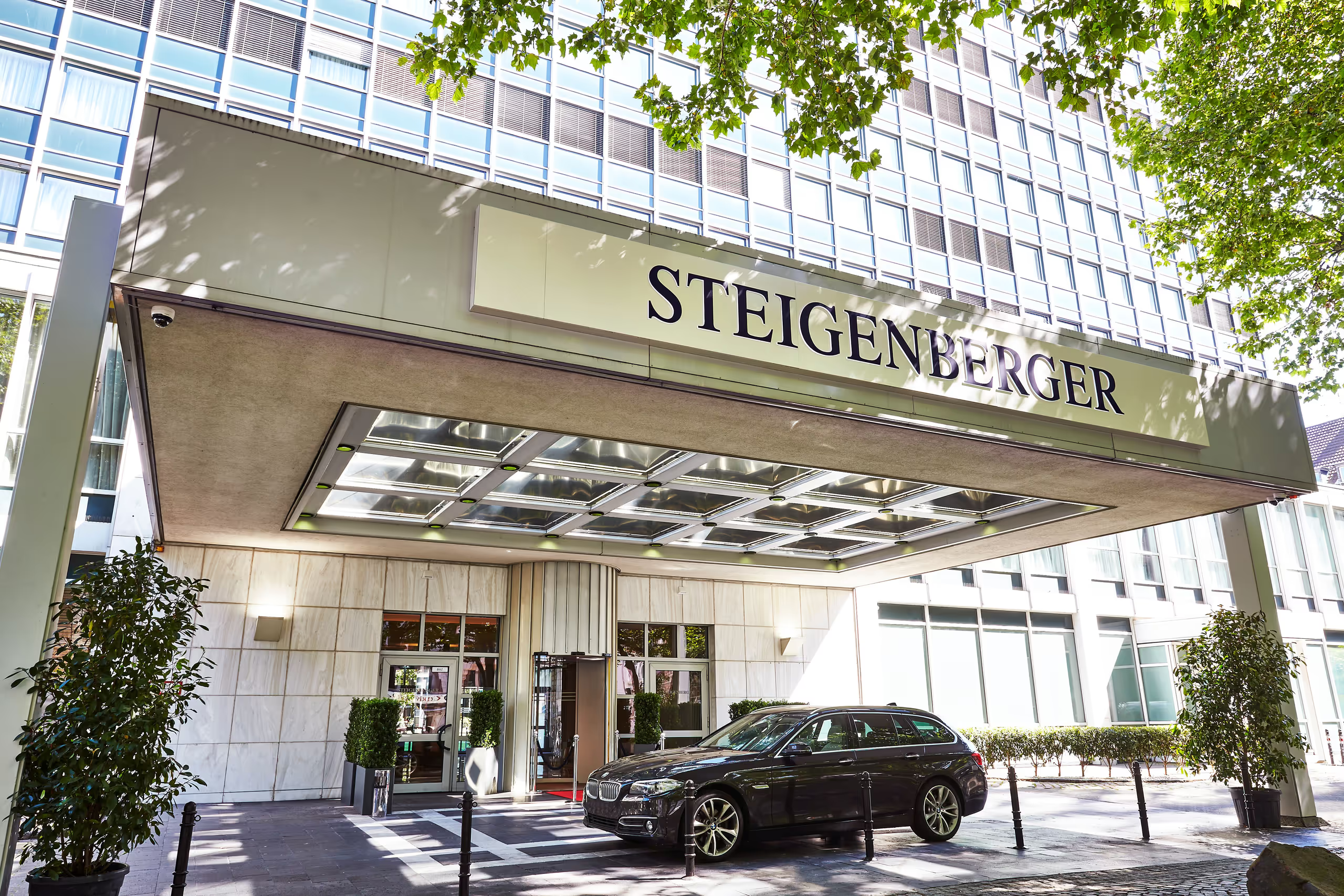
Steigenberger Hotel Köln

Steigenberger Hotel Köln
Habsburgerring 9-13, 50674 Cologne, Germany

https://hrewards.com/en/steigenberger-hotel-koeln

Terms & Conditions

Please read BEFORE registering:


The IT Security Summit is aimed at IT and specialist staff from IT user companies in Germany. For the purposes of these conditions of participation, IT user companies are defined as all companies that do not themselves provide consulting services and/or develop, manufacture or distribute information and communication technology (ICT) products or services. Employees of outsourced IT companies who work exclusively for the parent company and do not conduct business with third parties are also eligible to participate. Employees of IT service companies generally only have access to our events through sponsorship. IT provider companies within the meaning of these conditions of participation are hardware, software, service and telecommunications companies as well as consulting firms and ICT service providers. IDC expressly reserves the right to reject registrations from persons who do not belong to the above-mentioned target group, even if the invitation was issued by one of our partners, accidentally by IDC itself or through participation in an online survey. After registering via the online registration form and successful verification by IDC, you will receive a binding confirmation of registration by email.

partners

IT Security Summit

IT Security Summit

Sécuriser l’entreprise dans un monde instable

Slide
Slide
Slide
Slide

Crises cyber, souveraineté numérique et leadership à l’épreuve du réel

Face à des menaces cyber en constante escalade, les décideurs n’ont plus le droit à l’erreur. Dans un contexte de tensions géopolitiques et de pression réglementaire croissante, la cybersécurité est devenue un enjeu stratégique au plus haut niveau. Le IDC Security Summit France 2026 réunit RSSI, CISO et DSI pour confronter leurs expériences et renforcer la résilience de leurs organisations.

Contexte

Selon IDC, la cybersécurité est désormais façonnée par la géopolitique et l’IA.
D’ici 2027, un gouvernement sur trois exigera des approches d’IA souveraine pour les secteurs sensibles, tandis que 80 % des organisations feront face à des attaques de phishing exploitant des identités générées par l’IA.

Parallèlement, la montée en puissance des attaques dopées à l’IA – deepfakes, fraude vocale, manipulation de preuves, attaques ciblant les modèles d’IA et usages non maîtrisés (shadow AI) – accroît fortement la charge cognitive et la pression sur les équipes sécurité.

Dans ce contexte, le IDC IT Security Summit France offre un espace de travail entre décideurs : comprendre les menaces en cours, confronter les stratégies de réponse, et repartir avec des repères concrets pour décider sous pression.


Les intervenants

Thibaut Roynette

Thibaut Roynette

RSSI France

DANONE

Read bio

Pierre Kochanski

Pierre Kochanski

Directeur Coordination des Technologies de l’Information

MINISTERE ECONOMIES ET FINANCES

Read bio

Othmane Erraji

Othmane Erraji

Security Leader

EDENRED FRANCE

Read bio

Emilie Brié-Philippe

Emilie Brié-Philippe

RSSI, Caisse des Dépôts – Direction des Politiques Sociales Conseillère du Commerce Extérieur

Vice-Présidente du Groupe d'Intelligence Économique

Read bio

Reynald Hazard

Reynald Hazard

Cybersecurity General Manager

FRAMATOME

Read bio

Vincent Gapaillard

Vincent Gapaillard

RSSI Groupe

LOXAM

Read bio

Eugénie Laurian

Eugénie Laurian

Experte I Stratégie en sécurité numérique: cybersécurité et protection des données

MINISTERE DES ARMEES

Read bio

José Araujo

José Araujo

Directeur de la Cybersecurité

SNCF/e.solutions SNCF

Read bio

Patrick Perrot

Patrick Perrot

Inspecteur Général

INSPECTION GENERALE GENDARMERIE NATIONALE

Read bio

Suvansh Lal

Suvansh Lal

CISO

EQUANS FRANCE

Read bio

Adrien Ruggirello

Adrien Ruggirello

Délégué Général

NEOMA

Read bio

Duncan Brown

Duncan Brown

Group Vice President, IDC Europe

IDC

Read bio

Bruno Durand

Bruno Durand

VP Sales Southern Europe

Sophos

Read bio

Uriel Marie-Sainte

Uriel Marie-Sainte

Enterprise Solutions Engineer – EMEA

1Password

Read bio

Amine Beyaoui

Amine Beyaoui

Founder, NETWARX

ManageEngine Partner

Read bio

Thomas Gricar

Thomas Gricar

Senior Regional Account Manager

Horizon3.ai

Read bio

Alexandre Lamy

Alexandre Lamy

Sales Leader

Chainguard

Read bio

Guillaume Rameaux

Guillaume Rameaux

Modérateur

IDC

Read bio

Agenda

IT Security Summit

One Day Event

08:30

Accueil & petit-déjeuner networking

Ouverture conviviale autour d’un café, premières rencontres entre RSSI, CISO, DSI et décideurs impliqués dans la gestion des risques numériques.

09:00

Keynote d’ouverture IDC

Cybersécurité sous tension : sommes-nous prêts à gérer la prochaine crise ?

Cadres de lecture IDC sur l’intensification des menaces cyber, l’impact des tensions géopolitiques, la pression réglementaire et le rôle stratégique des RSSI et dirigeants.

Duncan Brown

Duncan Brown

Group Vice President, IDC Europe, IDC

09:20

Keynote Horizon3.ai

Thomas Gricar

Thomas Gricar

Senior Regional Account Manager, Horizon3.ai

09:35

Panel #1 – Souveraineté numérique vs réalité économique: un dilemme insoluble?

Regards croisés sur les arbitrages stratégiques entre souveraineté numérique et contraintes économiques.

Thibaut Roynette, RSSI, Danone

  • Arbitrages entre souveraineté et performance économique
  • Dépendances technologiques et choix stratégiques
  • Trajectoires vers une autonomie réaliste

Pierre Kochanski, RSSI, Ministère de l’Économie et des Finances

  • Contraintes géopolitiques et réglementaires
  • Tensions entre compétitivité et sécurité
  • Cadre normatif et souveraineté nationale

Suvansh Lal, RSSI, Equans France

  • Réalité économique des grands groupes
  • Impacts des dépendances sur les décisions stratégiques
  • Pistes concrètes vers plus d’autonomie
Thibaut Roynette

Thibaut Roynette

RSSI France, DANONE

Pierre Kochanski

Pierre Kochanski

Directeur Coordination des Technologies de l’Information, MINISTERE ECONOMIES ET FINANCES

Suvansh Lal

Suvansh Lal

CISO, EQUANS FRANCE

10:20

Sécurité, résilience et continuité : faire face à des menaces de plus en plus systémiques

Bruno Durand

Bruno Durand

VP Sales Southern Europe, Sophos

10:35

Votre architecture de sécurité des identités a été conçue pour les humains. Il est temps de repartir sur de nouvelles bases

Il y a un an encore, la gestion des accès pour les agents d’IA relevait de la théorie. Aujourd’hui, les identités non humaines (NHI) ne sont plus aux portes de l’entreprise : elles sont à l’intérieur du périmètre, agissant de manière autonome et souvent invisible.

Ce workshop permettra aux participants de mieux comprendre comment les systèmes et agents d’IA interagissent déjà avec leurs environnements, quels nouveaux risques émergent avec ces identités non humaines, et comment appliquer des principes de gouvernance adaptés à cette nouvelle réalité.

Uriel Marie-Sainte

Uriel Marie-Sainte

Enterprise Solutions Engineer – EMEA, 1Password

Guillaume Rameaux

Guillaume Rameaux

Modérateur, IDC

11:35

Pause Networking

11:55

Gérer la crise cyber: quand le board entre dans la salle de guerre

Retour d’expérience concret sur la gestion d’une crise cyber, de la war room jusqu’au board.

Vincent Gapaillard, RSSI, Loxam

  • Rôle du RSSI en situation de crise
  • Interactions avec le board sous pression
  • Dynamiques de décision en war room
  • Enseignements clés issus de son expérience
Vincent Gapaillard

Vincent Gapaillard

RSSI Groupe, LOXAM

12:20

De la prévention à la résilience : ce que révèlent les crises récentes

Retour d’expérience sur les enseignements tirés d’incidents cyber réels et sur les facteurs clés de préparation.

Amine Beyaoui

Amine Beyaoui

Founder, NETWARX, ManageEngine Partner

12:30

Votre premier fournisseur IT : celui que vous n’avez jamais audité

L’open source fait tourner 90% de vos applications, et c’est devenu la cible numéro un des attaquants. Ce que les RSSI doivent savoir sur le risque qu’ils sous-estiment le plus.

Alexandre Lamy

Alexandre Lamy

Sales Leader, Chainguard

12:40

Attaques supply chain: gérer le risque tiers au cœur des grandes organisations

Interview sur la réalité des attaques supply chain et leurs impacts organisationnels.

José Araujo, Directeur cybersecurité, Groupe SNCF

  • Amplification des risques via les écosystèmes
  • Enjeux opérationnels et gestion de crise
  • Enseignements et pistes d’action

Reynald Hazard, Cybersecurity General Manager, Framatome

  • Supply chain critique : quand la faille fournisseur devient incident physique
  • Risque tiers en milieu industriel : auditer et surveiller sans compromis
  • De la vulnérabilité à la résilience : méthodes et pistes d’action concrètes
José Araujo

José Araujo

Directeur de la Cybersecurité, SNCF/e.solutions SNCF

Reynald Hazard

Reynald Hazard

Cybersecurity General Manager, FRAMATOME

13:10

Déjeuner networking

14:10

RSSI et souveraineté numérique dans le secteur public: de la contrainte technique à l’autonomie stratégique

Retour d’expérience et prise de hauteur sur le rôle croissant du RSSI face aux enjeux de souveraineté numérique, autour des dépendances technologiques, de l’évolution de la fonction et du positionnement stratégique vis-à-vis des directions générales.

Eugénie Laurian

Eugénie Laurian

Experte I Stratégie en sécurité numérique: cybersécurité et protection des données, MINISTERE DES ARMEES

Emilie Brié-Philippe

Emilie Brié-Philippe

RSSI, Caisse des Dépôts – Direction des Politiques Sociales Conseillère du Commerce Extérieur, Vice-Présidente du Groupe d'Intelligence Économique

14:45

Panel #2 – Les modèles organisationnels pour la cybersecurité à l’ère où l’IA rebat les cartes

Regards croisés d’experts et dirigeants autour de :

  • la fin des modèles cyber centralisés et les nouvelles structures qui émergent,
  • l’organisation face à une IA offensive qui dépasse la vitesse de réaction humaine,
  • la recomposition des rôles entre RSSI, équipes et dirigeants à l’ère de l’IA.
Patrick Perrot

Patrick Perrot

Inspecteur Général, INSPECTION GENERALE GENDARMERIE NATIONALE

Othmane Erraji

Othmane Erraji

Security Leader, EDENRED FRANCE

Fabien Tarissan

Fabien Tarissan

Directeur de recherche au CNRS, Membre du collège de la CNIL en charge de la cybersécurité

Adrien Ruggirello

Adrien Ruggirello

Délégué Général, NEOMA

15:25

Cocktail networking

Thèmes principaux

Souveraineté numérique, réglementation et création de valeur : du subi au stratégique

NIS2, DORA, stratégie nationale 2026–2030 : la pression réglementaire ne faiblit pas, et les sanctions tombent. Mais les RSSI qui savent s’en emparer en font un avantage concurrentiel. Comment transformer la conformité en levier de crédibilité face au board ? Comment arbitrer entre souveraineté technologique et contraintes économiques réelles ? Ce thème repositionne le RSSI là où il doit être : architecte stratégique.

IA offensive vs IA défensive : le RSSI pris en étau

Deepfakes, phishing autonome, agents capables d’orchestrer des intrusions sans intervention humaine, la vitesse d’attaque dépasse la capacité de réaction des équipes. Pendant ce temps, le Shadow IA crée des brèches invisibles de l’intérieur. Comment déployer l’IA défensive à grande échelle sans ouvrir de nouvelles surfaces d’attaque ? Ce thème confronte les RSSI et CISO à leurs arbitrages réels, maintenant.

Modèles organisationnels et opérations de sécurité : qui décide, qui agit ?

RSSI centralisé est à bout de souffle. Trop exposé, trop seul, face à des menaces qui s’accélèrent. Les organisations les plus matures recomposent déjà leurs structures : SOC augmentés par l’IA, séparation du pilotage stratégique et opérationnel, redéfinition des rôles jusqu’au comité de direction. Ce thème pose les questions que personne ne veut encore trancher : comment s’organiser pour tenir dans la durée, sans épuiser les équipes ni perdre en efficacité ?

Attaques supply chain et risque tiers : de la cartographie à la résilience en temps réel

Un prestataire compromis, un accès tiers mal encadré, une dépendance invisible — et c’est toute la chaîne qui tombe. Plus d’un incident majeur sur trois part d’un tiers. Pourtant, la plupart des organisations gèrent encore ce risque sur questionnaire, une fois par an. Ce thème explore le passage à une gestion dynamique et continue : cartographie des points de défaillance critiques, Zero Trust appliqué aux écosystèmes fournisseurs, et stratégies concrètes pour contenir la propagation avant qu’il ne soit trop tard.

Gérer la crise cyber : de la war room au board, et après

Vous serez attaqué. La vraie question: êtes-vous prêt à vous relever, vite, et sous les yeux du board? Les directions générales ne veulent plus de tableaux de bord. Elles veulent savoir ce qui tient en situation dégradée, en combien de temps, et avec quelles preuves. Ce thème couvre l’essentiel : playbooks, simulation de crise, communication sous pression, gestion humaine des équipes — et les leviers concrets pour restaurer la confiance après l’incident.

Sécurité des environnements critiques : quand l'erreur n'est pas permise

Énergie, santé, industrie, collectivités : ici, une cyberattaque ne perturbe pas un SI, elle paralyse une infrastructure vitale. Les environnements OT/IoT restent sous-protégés, les architectures hybrides multiplient les angles morts, et les attaquants le savent. Ce thème s’adresse aux RSSI et DSI pour qui la continuité n’est pas un objectif, mais une obligation, et qui doivent construire une résilience réelle dans des environnements où les marges d’erreur sont inexistantes.

Advisory Board

L’Advisory Board du IT Security Summit est un cercle restreint de décideurs IT et sécurité engagé aux côtés d’IDC pour co-construire les priorités et thématiques de l’événement.

Il permet d’échanger entre pairs, de partager des retours d’expérience stratégiques et de contribuer au programme du Summit, tout en favorisant des échanges qualitatifs et confidentiels dans un cadre convivial et privilégié.

Nous sommes ravis de vous dévoiler ci-dessous les membres de notre Advisory Board 2026!

Thibaut Roynette

Thibaut Roynette

RSSI France

DANONE

Read Bio

Pierre-Marie Quantin

Pierre-Marie Quantin

Responsable Cybersecurity

GROUPE TF1

Read Bio

José Araujo

José Araujo

Directeur de la Cybersecurité

SNCF/e.solutions SNCF

Read Bio

Jane Rain

Jane Rain

Directrice Cyberprotection et RSSI Groupe

LA POSTE GROUPE

Read Bio

Pierre Kochanski

Pierre Kochanski

Directeur Coordination des Technologies de l’Information

MINISTERE ECONOMIES ET FINANCES

Read Bio

Khaoula Ben Ayed

Khaoula Ben Ayed

CTO

EDENRED

Read Bio

Olivier Tillier

Olivier Tillier

CISO

BOUYGUES CONSTRUCTION

Read Bio

Eugénie Laurian

Eugénie Laurian

Experte I Stratégie en sécurité numérique: cybersécurité et protection des données

MINISTERE DES ARMEES

Read Bio

Vincent Gapaillard

Vincent Gapaillard

RSSI Groupe

LOXAM

Read Bio

Suvansh Lal

Suvansh Lal

CISO

EQUANS FRANCE

Read Bio

Partenaires

Lieu

Carré Edouard VII – Paris

13 bis Rue Bruno Coquatrix, 75009 Paris

Cette année, nous vous donnons rendez-vous au Carré Édouard VII, au cœur du quartier Opéra à Paris.
Un lieu central et élégant, facilement accessible en transports, idéal pour se retrouver et échanger.

Ressources

La directive NIS 2 : où en est-on aujourd’hui ?

La date limite de transposition de NIS 2 a été atteinte en octobre 2024, mais seuls quelques États membres avaient finalisé le processus, créant un contexte d’incertitude pour de nombreuses organisations européennes.

Lire l'article

Implications pour les dépenses TIC en Europe du fait de l’objectif de 5 % du PIB de l’OTAN

Lors du sommet de l’OTAN de 2025 à La Haye, qui s’est tenu il y a quelques semaines, les États membres se sont engagés à consacrer 5 % de leur PIB annuel aux dépenses de défense et de sécurité, y compris les capacités numériques et cyber, d’ici 2035.

Lire l'article

IAM 2025 : l’ère des machines

La gestion des identités et des accès (IAM), et plus largement la sécurité des identités, constitue aujourd’hui l’un des enjeux les plus transverses et les plus critiques pour les organisations européennes, tant sur le plan opérationnel que du pilotage des risques.

Lire l'article