


CIO Summit
The Rise of Agentic Systems

Modernize. Secure. Innovate. Lead with the power of Agentic-AI
Germany is entering a pivotal stage in its digital transformation, where innovation, sovereignty, and trust are becoming central to economic competitiveness and industrial leadership. As organizations across the public and private sectors advance modernization efforts, CIOs are accelerating investments in AI, cloud, and cybersecurity to build more efficient, resilient, and sustainable enterprises.
By 2026, German CIOs will be managing transformation on multiple fronts: modernizing complex IT infrastructures, ensuring compliance with the EU AI Act and NIS2 Directive, and driving AI-enabled productivity while maintaining data protection, ethics, and governance. The rise of Agentic AI, represents a defining opportunity to enhance decision-making and operational efficiency, but also demands stronger oversight, transparency, and security frameworks.
Agenda
IDC analysts and industry experts will share guidance on building secure, sovereign, and sustainable IT architectures, reducing technical debt, and scaling AI, including Agentic AI, responsibly and effectively. Through keynotes, panels, and collaborative discussions, the Summit equips Germany’s CIO community with the research, frameworks, and leadership tools to drive trusted innovation, strengthen resilience, and advance the nation’s digital leadership through 2026 and beyond.
2026 Prediction
By 2027, 55% of G1000 CIOs will be tasked to create enterprise AI value playbooks, featuring expanded ROI models to define, measure, and showcase AI impact across efficiency, growth, and innovation.
Main Themes
The CIO as Business Strategist
CIOs have evolved from operational leaders to enterprise strategists. As digital transformation reshapes every business model, technology leadership now defines competitiveness. Today’s CIO must align IT priorities with business outcomes, influence the boardroom agenda, and drive innovation that delivers measurable value.
Modernization, Legacy and Technical Debt
Managing technical debt is no longer just a maintenance concern, it’s a strategic priority. Modernizing legacy systems, simplifying architectures, and optimizing cost structures allow organizations to shift resources from upkeep to innovation. Streamlined technology portfolios create the agility needed to compete in a digital economy.
The Agentic AI Revolution
Agentic AI marks a shift from automation to autonomy. How CIOs can govern, scale, and integrate autonomous AI systems responsibly (balancing opportunity with oversight to create intelligent, self-directed enterprises.
Resilience by Design
Resilience is emerging as the defining capability of modern enterprises. Adaptive architectures, secure infrastructure, and integrated continuity planning enable organizations to withstand disruption (whether from economic uncertainty, regulatory shifts, or cyber threats) while sustaining growth and trust.
Cybersecurity, Trust, and Digital Sovereignty
As digital ecosystems expand, trust becomes a critical currency. CIOs must address cybersecurity, data sovereignty, and compliance in tandem, ensuring that cloud strategies and cross-border operations align with evolving regulations. Building digital trust creates both protection and competitive advantage.
Building the Intelligent Enterprise
Data is the foundation of every intelligent organization. Reliable, governed, and accessible data architectures enable AI, automation, and analytics to operate at scale. Enterprises that invest in strong data foundations are better positioned to extract insight, anticipate change, and deliver smarter, faster business outcomes.

2026 Prediction
By 2027, G1000 organizations will face an up to 30% rise in underestimated AI infrastructure costs, driving CIOs to expand the scope of FinOps teams to optimize expenses and enhance business value.
Speaker

Anja Lange
Moderator
Read bio

Anja Lange

Thomas Meyer
SVP, IDC WW Research
IDC
Read bio
Thomas Meyer

Lina Eddisi
Senior Vice President Digitalization & IT
Schaeffler Vehicle Life Time Solutions
Read bio
Lina Eddisi
Event Sessions
Day 1 2:00 pm
Work AI. Think AI. Speak AI – It Works When You Just Do It…
Until 2025, AI in Schaeffler’s Aftermarket division essentially consisted of nothing more than Copilot licenses, so Lina Eddis decided to tackle a real AI strategy. And just as she began, all budgets were cut… Okay, so, change of plan: an AI strategy that costs (almost) nothing…

Stephan Drautz
Leiter Konzern-IT (CIO) & Digitalisierung
SHS – Stahl-Holding-Saar
Read bio
Stephan Drautz
Stephan Drautz ist seit 2020 CIO der SHS – Staal Holding Saar. Seine Schwerpunktthemen sind aktuell die Begleitung der Konzerntransformation zum „Grünen Stahl“, die ganzheitliche Transformation der digitalen Konzernlandschaft sowie der großflächige Ausbau der KI-Landschaft.
Event Sessions
Day 1 4:00 pm
Power4Steel – The future is going digital and steel is going green

Thorsten Obert
Director IT
fischer group
Read bio
Thorsten Obert
Thorsten Obert ist seit Juli 2022 Leiter der IT des badischen Produzenten von Edelstahlrohren sowie weiteren Industriekomponenten. Im Mittelpunkt seiner Tätigkeit stand bis dato die Modernisierung der IT-Landschaft des Unternehmens inklusive einer großen SAP-Transformation.
Event Sessions
Day 1 11:00 am
SAP, IT Platforms & Production Reimagined – Our First AI Experiences on the Path to Modernization
With the successful SAP S/4HANA RISE Cloud go-live in April 2024, the fischer group has taken a significant step toward a modern, scalable IT landscape. In parallel, the infrastructure was renewed and a manufacturing execution system (MES) was introduced for digital production control. Building on this platform, the fischer group is now driving numerous AI initiatives: from Microsoft Copilot in everyday work, to the automation of SAP delivery schedules with SAP Joule, to data-driven use cases based on a data lake for machine data. The talk offers insights into our experiences so far, first successes, and the challenges of connecting SAP, production, and artificial intelligence in an internationally operating industrial company.

Patrick Grigat
Managing Director und CTO
DWS Group
Read bio
Patrick Grigat
Patrick Grigat ist Chief Technology Officer der DWS Group; in dieser Funktion leitet er den IT- und Technologiebereich und verantwortet die Technologiestrategie des Unternehmens. Er verfügt über Erfahrung aus der Tätigkeit bei globalen Technologieunternehmen wie Google und Dell EMC, wo er Führungspositionen in den Bereichen Architektur und Engineering innehatte.
Event Sessions
Day 1 10:05 am
The CIO as Business Strategist and Technology Enabler
The role of the Chief Information Officer (CIO) has changed fundamentally: from a purely technical administrator in the IT “engine room” to the CEO’s strategic co-pilot and a driver of digital processes. Increasingly, the CIO acts as a Chief Transformation Officer, radically rethinking business processes through technology and leading the shift toward becoming an agentic AI enterprise. In doing so, the CIO directly secures the company’s profitability, digital reputation, and long-term competitiveness.

Thorsten Hallermeier
Chief Digital Officer
MHK Group
Read bio
Thorsten Hallermeier
Thorsten Hallermeier ist Vorstand für Digitalisierung, IT und Innovation bei der MHK Group, einer führenden europäischen Verbundgruppe für den Küchenhandel und den SHK-Markt. In dieser Funktion verantwortet er die digitale Transformation, treibt den Einsatz Künstlicher Intelligenz voran und entwickelt digitale Produkte sowie KI-Lösungen für Kunden und Partner.
Event Sessions
Day 1 4:40 pm
From IT to AI Organization – Productivity, Products, and Business Models
Artificial intelligence is changing companies on three levels: it increases productivity within the company, becomes an integral part of digital products, and opens up new B2B business models. Using concrete examples from the MHK Group, the talk shows which strategic fields of action arise for IT leaders and what role IT plays in this transformation.

David Toborek
Chief Digital Officer
Stabilus
Read bio
David Toborek
David Toborek verantwortet die Digitalisierung bei dem in Koblenz ansässigen Maschinen- und Anlagenbauer. Dabei kreierte er in den letzten Jahren einen radikal erneuerten IT-Bebauungsplan. Zuvor bekleidete David Toborek ähnliche Positionen bei der Eat Happy Group und Metro.digital.
Event Sessions
Day 1 4:20 pm
From Digitalization Ambition to Digitalization Execution

Jens Minneker
CIO
Recipharm
Read bio
Jens Minneker
Jens Minneker ist seit 2023 CIO bei Recipharm, einem weltweit führenden Auftragsentwickler und -hersteller (CDMO) der Pharmaindustrie. Er verantwortet dort die gesamte IT und digitale Transformation. Zuvor war er CIO bei GEHE/AHD (Walgreens Boots Alliance) und DPD Deutschland sowie in leitenden IT-Rollen bei GLS, Deutsche Post DHL und IBM Business Consulting. In über 25 Jahren hat er sich auf großangelegte Transformationen spezialisiert – das Zusammenführen von IT-Organisationen, die Konsolidierung in hybride Cloud-Umgebungen und aktuell die verantwortungsvolle Einführung von AI in einem regulierten Umfeld.
Event Sessions
Day 1 2:20 pm
Live Talk – Foundation First, Then Agents: AI Adoption in a Regulated Manufacturing Environment
The bottleneck is rarely the model. It is data quality, process maturity, and governance. Topics in the conversation:
- Why sequence beats leapfrogging: adoption, scalable GenAI, embedded agents, without skipping stages, and why you start where data and processes are most mature, not where the hype is loudest.
- “Layer over Lock-in”: AI as a layer on top of the leading systems rather than embedded in every vendor, and what that means for a CIO’s reversibility and optionality.
- Governance as an operating system, not a policy document: enabling power users quickly while maintaining guardrails (data classification, human-in-the-loop, cost accountability) instead of a culture of prohibition.
- What really drives adoption: a community of practice, real use cases presented by their owners, and sponsorship from the top, instead of mandated tools.
- The honest part: what is really running today and what has deliberately not been built yet.
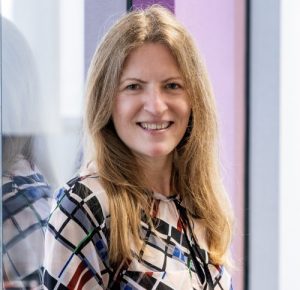
Viola Meisterling
Head of Data & AI
Boehringer Ingelheim
Read bio
Viola Meisterling
Viola Meisterling ist Head of Data & AI der Sparte Human Pharma Operations bei Boehringer Ingelheim und treibt die Transformation hin zu einer daten- und KI-gestützten Organisation voran. Ihr besonderes Anliegen ist es, Daten in einen strategischen Vermögenswert zu verwandeln, der bessere Entscheidungen, operative Exzellenz und messbaren geschäftlichen Mehrwert ermöglicht.
Event Sessions
Day 1 3:00 pm
From Data to Value: Building an AI-Powered Operating Model for Sustainable Business Success
Many companies invest in data and AI but struggle to translate the technology into sustainable business results. This session offers practical insights into building a data and AI organization that enables scalable innovation, data-driven decision-making, and AI-based ways of working. Learn how the right operating models and a clear business focus can turn data and AI from isolated initiatives into a strategic capability that delivers measurable business value.

Dr. Thomas Pöppe
Chief Digital Officer und CIO
AOK Bayern
Read bio
Dr. Thomas Pöppe
Dr. Thomas Pöppe ist seit Februar 2020 Geschäftsbereichsleiter in der AOK Bayern. Als CDO und CIO verantwortet er die Themen Digitalisierung, IT & Prozesse und treibt die Transformation der AOK Bayern zu einem lokal und digital aufgestellten Unternehmen voran. Zuvor war er u.a. als Director Digital Health & Innvovation beim Biotechnologie-Unternehmen Amgen und bei der Unternehmensberatung McKinsey & Company tätig. Sein Studium zum Diplom-Wirtschaftsinformatiker schloss er 2010 an der Technischen Universität Darmstadt ab, wo er 2015 auch promivierte.
Event Sessions
Day 1 11:50 am
From Regulation to Results – How GKV Uses AI to Create Efficiency and Secure Care
Artificial intelligence is regarded as a key technology for the future of healthcare. But how can it be successfully deployed in a highly regulated environment such as statutory health insurance? The talk shows how AI applications can be taken from the initial idea, through legal and organizational guardrails, into productive operation. The focus is on concrete experiences in automating administrative processes, dealing with the requirements of the AI Act, and the question of how efficiency gains, skilled-workforce retention, and better care for the insured work together. Practical examples make clear which opportunities, challenges, and success factors shape AI transformation in healthcare, and why setting the right course now is crucial.

Berndt Krieger
CIO
Messer SE
Read bio
Berndt Krieger
Berndt Krieger hat seit mehr als 25 Jahre in verschiedenen Management-Positionen innerhalb der Messer-Gruppe inne. Unter anderem bekleidete die Funktionen eines Digital Officer sowie die des CEO des internen IT-Dienstleisters bi zu dessen Auflösung 2021 im Rahmen eines von ihm verantworteten Outsourcing-Projektes. Seitdem übt Berndt Krieger die Rolle des global CIOs aus.
Event Sessions
Day 1 3:40 pm
Real Greenfield Instead of Migration: How AI Is Changing an SAP Strategy
The keynote covers the following key aspects:
- ERP transformation as a strategic realignment rather than a technical migration.
- Reassessing the ERP core in light of AI and modern software architecture.
- From a monolithic platform to modular business services.
- Best-of-breed, custom developments, and AI as building blocks of a future enterprise platform.

Jan Krumfuss
Head of New Business
Verizon Business
Read bio
Jan Krumfuss
Jan Krumfuss verantwortet den Bereich Neukunden bei Verizon Business für Mitteleuropa. Er verfügt über 25 Jahre Erfahrungen in komplexen Netzwerk-Transformationsprojekten, unter anderem aus verantwortlichen Positionen bei QSC, Tata und seit über acht Jahren bei Verizon. Außerdem ist er Langstreckenläufer und nimmt regelmäßig am CIOCharity-Lauf teil.

Matthias Patzak
Executive in Residence
AWS
Read bio
Matthias Patzak
Matthias Patzak ist Executive in Residence bei AWS und berät seit 2020 Führungsteams von Konzernen, Start-ups und Scale-ups. Als früherer CTO von AutoScout24 führte er die Umstellung auf Cloud-native Microservices, mit denen Teams autonom mehrfach täglich ausliefern. Er hat mit Hunderten Organisationen gearbeitet, ist Mitautor von „All Hands on Tech” und beschäftigt sich aktuell damit, wie agentische KI Organisationen beschleunigt.
Event Sessions
Day 1 9:50 am
AI: Magic Wand or Amplifier of Strengths and Weaknesses?
Hardly any company can foresee the consequences of adopting AI in advance, as both experience and metrics are lacking. Software development is the first field to gather both. This keynote shows what AWS is observing among its customers: where AI reduces costs, where it creates complexity, and where faster teams put quality at risk.

Thorsten Philipp
Head of Cloud Sovereignty DACH
NTT DATA Deutschland SE
Read bio
Thorsten Philipp
Thorsten Philipp ist Head of Cloud Sovereignty DACH bei NTT DATA und Experte für Cloud-Technologien, digitale Souveränität und moderne IT-Architekturen. Mit seinem Hintergrund in der Softwareentwicklung und IT-Beratung beschäftigt er sich mit der Frage, wie Unternehmen innovative Cloud-Technologien nutzen und gleichzeitig die Kontrolle über ihre Daten, Anwendungen und IT-Infrastrukturen behalten können. Sein Fokus liegt auf der Verbindung von technologischer Innovation, Sicherheit und regulatorischen Anforderungen.

Thu Renner
Commercial Account Executive
Tanium
Read bio
Thu Renner
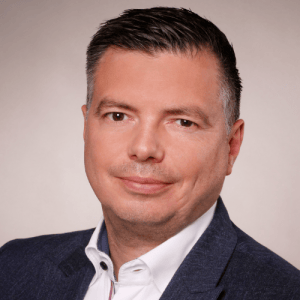
Dr. Frederik Marx
Senior Strategic Advisor – IBM Apptio
IBM Deutschland
Read bio
Dr. Frederik Marx
Dr. Frederik Marx ist Senior Strategic Advisor bei IBM Deutschland und unterstützt internationale CIO-Organisationen bei der Einführung und Weiterentwicklung von Technology Business Management (TBM), FinOps und modernen IT-Steuerungsmodellen. Mit über 15 Jahren Erfahrung in Finance, Controlling und IT-Transformation, u.a. als Director Finance & HR IT bei einem internationalen Großkonzern, verbindet er finanzielle Transparenz mit der strategischen Weiterentwicklung von IT-Organisationen.
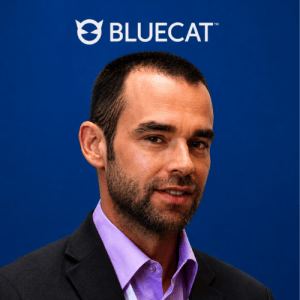
Ronny Wolf
Field CTO
BlueCat
Read bio
Ronny Wolf
Ronny Wolf is a Field CTO at BlueCat, where he helps enterprises modernize and secure their network infrastructure across increasingly complex hybrid and multi-cloud environments. With more than two decades of experience spanning network engineering, security, and solution architecture, he specializes in DNS, DHCP, and IPAM (DDI), network automation, and operational resilience. At the intersection of strategy and execution, Ronny is known for translating deeply technical concepts into practical business outcomes—while still being equally at home in an engineer-to-engineer discussion. A trusted advisor to customers across EMEA, he brings a unique blend of technical depth, real-world experience, and engaging storytelling that helps organizations rethink how their networks support innovation, security, and growth.
Partner

AWS (DE)

Ping Identity
Über Ping Identity:
Ping makes it possible to trust every digital moment. Our enterprise-grade identity platform secures customers, employees, partners, and non-human identities at scale across cloud, hybrid, and on-prem. From passwordless to AI-ready, we help you fight fraud, simplify access, and accelerate growth. With us, trust is built in.
Über IPG Group:
Seit 2001 ist die IPG Pionier und Experte im Bereich Identity und Governance Management. Namhafte Kunden aller Branchen wie auch Organisationen der öffentlichen Verwaltung in der Schweiz, Deutschland und Österreich vertrauen auf den Service und die Expertise von IPG für einen umfassenden Schutz von Benutzerdaten sowie Zugriffs- und Zutrittsrechten.
Website: https://www.ipg-group.com/
Privacy Policy: https://www.ipg-group.com/datenschutz

Vasion
Vasion is the Intelligent Print Automation leader making digital transformation attainable for all by eliminating print servers, consolidating print environments, digitizing and automating workflows. We’re redefining modern output management with one of the world’s most advanced and secure cloud-native platforms, turning what’s been IT’s longest-standing headache, print, into a strategic advantage. More than 14,000 global customers, including hundreds of leading enterprises, trust PrinterLogic, PrinterLogic Output, and Vasion Automate to modernize, secure, and unlock AI-ready environments. With Vasion, digital transformation works for everyone.
Learn more at www.vasion.com – Smart Starts Here
Tanium

BlueCat
Die Intelligent Network Operations (NetOps) von BlueCat liefern die nötigen Analysen und Daten, um Ihre Netzwerkinfrastruktur in Einklang mit Ihren Geschäftszielen zu verändern, zu überwachen, zu sichern, zu automatisieren und automatisch zu reparieren. Das Intelligent-NetOps-Portfolio umfasst wichtige Basistechnologien wie einheitliche zentrale Netzwerkdienste, Multicloud-Management, Sicherheitslösungen sowie Lösungen für Netzwerktransparenz und -intelligenz mit KI-gestützten Analysen. So reduzieren Sie die Alert Fatigue, erkennen schneller die Ursachen von Problemen und treffen fundiertere Entscheidungen. Die Lösungen lassen sich in Hybrid- und Multicloud-Umgebungen, im Rechenzentrum, an Remote- und Zweigstellen sowie über SD-WAN einsetzen. BlueCat hat Hauptsitze in Toronto und New York sowie weitere Niederlassungen in den USA, Frankreich, Deutschland, Island, Japan, Singapur, Serbien und dem Vereinigten Königreich. Weitere Informationen finden Sie unter www.bluecatnetworks.com.

Flexera
KI, Cloud und SaaS erhöhen die Komplexität moderner IT-Landschaften. Flexera unterstützt Unternehmen dabei, Transparenz über eingesetzte Technologien, Kosten, Risiken und Nutzung zu schaffen, damit sie fundierte Entscheidungen treffen und ihre Investitionen gezielt optimieren können.
Auf Basis hochwertiger Technologiedaten und intelligenter Automatisierung erhalten Organisationen die Kontrolle über ihre KI-, Software-, Cloud- und SaaS-Umgebungen, reduzieren unnötige Ausgaben und minimieren Risiken.
Tausende Unternehmen weltweit vertrauen auf Flexera.

Verizon
Verizon Communications Inc. (NYSE, Nasdaq: VZ) unterstützt Millionen von Kunden in ihrem Alltag, bei der Arbeit und in ihrer Freizeit, indem das Unternehmen ihren Bedarf an Mobilität, zuverlässiger Netzwerkkonnektivität und Sicherheit deckt. Mit Hauptsitz in New York City bedient Verizon Länder auf der ganzen Welt, nahezu alle Fortune-500-Unternehmen und erzielte im Jahr 2025 einen Umsatz von 138,2 Milliarden US-Dollar. Das internationale Team von Verizon arbeitet kontinuierlich an Innovationen, um Kunden bestmöglich zu unterstützen und sie für die Anforderungen von morgen zu rüsten. Weitere Informationen finden Sie unter https://www.verizon.com/business/de-de/

NTT DATA
NTT DATA – ein Teil der NTT Group – ist Trusted Global Innovator von Business- und IT-Lösungen mit Hauptsitz in Tokio. Wir unterstützen unsere Kunden bei ihrer Transformation durch Consulting, Branchenlösungen, Business Process Services, Digital- und IT-Modernisierung und Managed Services. Mit NTT DATA können Kunden und die Gesellschaft selbstbewusst in die digitale Zukunft gehen. Wir setzen uns für den langfristigen Erfolg unserer Kunden ein und kombinieren globale Präsenz mit lokaler Kundenbetreuung in über 50 Ländern.

Apptio, ein IBM Unternehmen
Apptio, ein IBM Unternehmen, ist der führende Anbieter von Technology Business Management (TBM) SaaS-Anwendungen. Mit KI-gestützten Erkenntnissen, die auf verwalteten Technologieausgaben in Milliardenhöhe basieren, sind wir ein Pionier in den TBM-Praxisbereichen IT-Finanzmanagement, FinOps und strategisches Portfoliomanagement und befähigen Führungskräfte, intelligentere Entscheidungen zu treffen und mehr Wert aus Technologieinvestitionen zu ziehen.
Knowledge Hub

The AI homework nobody asked for (but everyone’s getting anyway)
Artificial Intelligence has officially reached the “you can do anything with it” stage of technological hype. Judging just by AI vendor narratives, and by some of the media, it’s the golden key to productivity, efficiency, optimization and innovation.
The Agentic Business Future: Driving Resilience, Sovereignty, and Innovation in EMEA
As organizations navigate an era defined by economic uncertainty, geopolitical shifts, and relentless technological change, one truth stands out: the future belongs to those who can harness AI, automation, and sovereignty to build resilience, drive innovation, and unlock growth.

EMEA’s Tech Evolution – 7 Key Themes Transforming Business in 2025
The technology landscape across Europe, Middle East, and Africa (EMEA) is changing rapidly in 2025, with innovations actively reshaping industries and creating new business opportunities.
Terms and Conditions
The IDC CIO Summit is aimed at IT and specialist staff from IT user companies in GERMANY.
For the purposes of these terms and conditions of participation, IT user companies are defined as all companies that do not themselves provide consulting services and/or develop, manufacture, or distribute information and communication technology (ICT) products or services.
Employees of outsourced IT companies who work exclusively for the parent company and do not conduct any third-party business are also eligible to participate. Employees of IT service companies generally only have access to our events through sponsorship.
IT provider companies within the meaning of these conditions of participation are hardware, software, service, and telecommunications companies, as well as consulting firms and ICT service providers.
IDC expressly reserves the right to reject registrations from persons who do not belong to the above-mentioned target group, even if the invitation was issued by one of our partners, mistakenly by IDC itself, or through participation in an online survey.
After registering via the online registration form and successful verification by IDC, you will receive a binding confirmation of registration by email.
Not the right event for you?
Don’t worry! We organize a variety of events designed to inspire original ideas, share the latest industry insights, and connect professionals like you. Simply sign up for event invitations, and we’ll notify you whenever a new event matches your interests.
Sign up