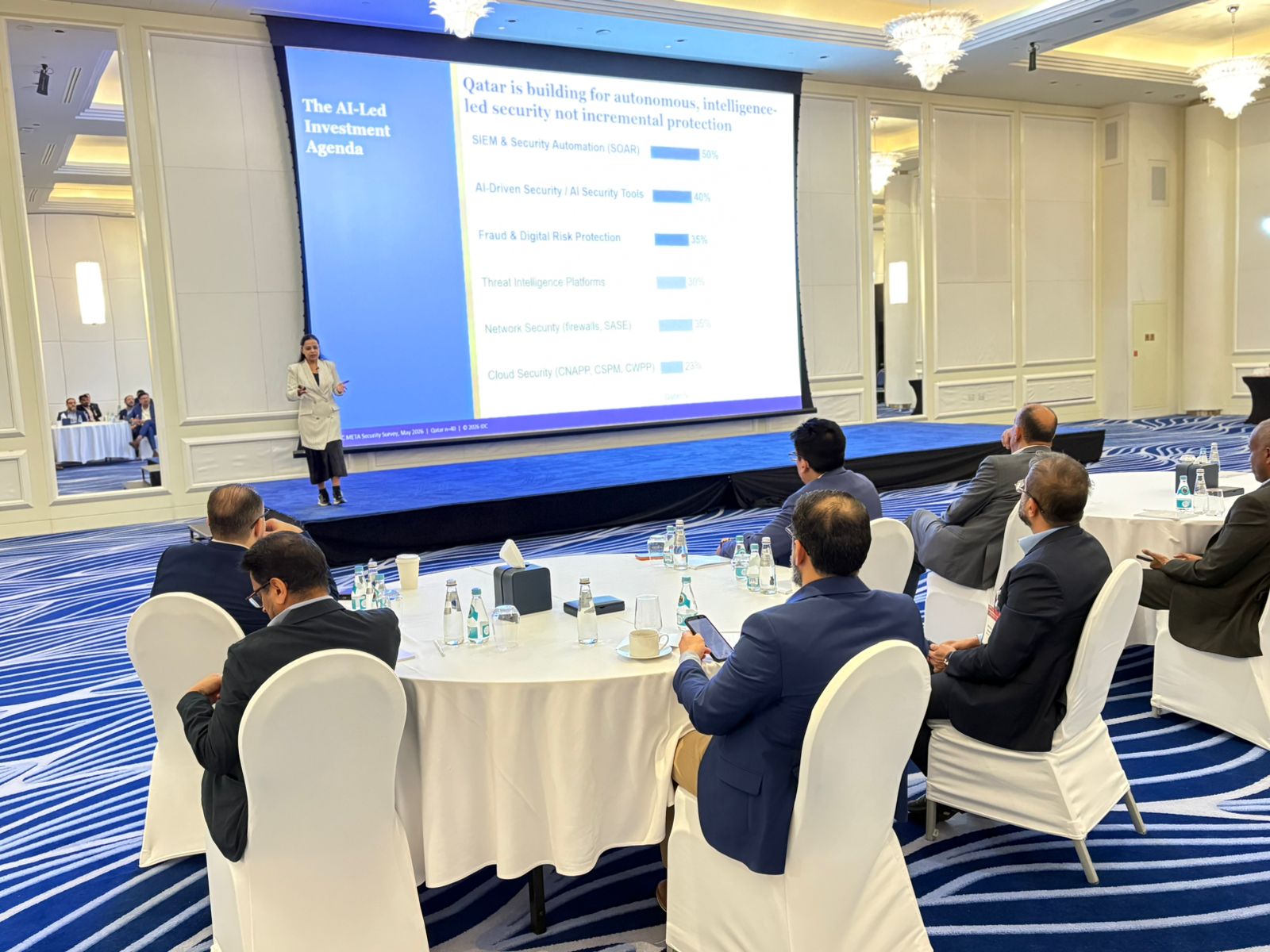
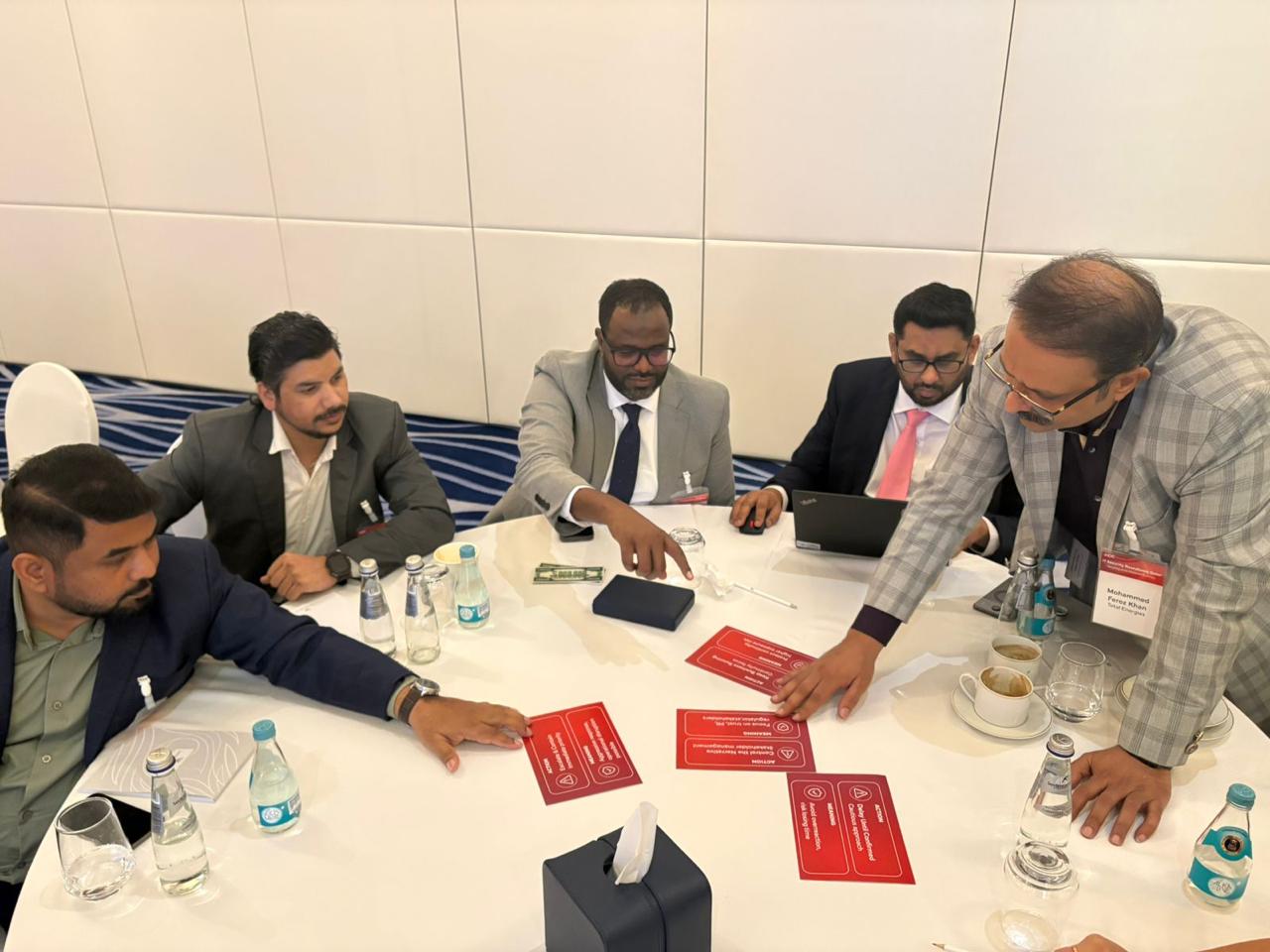
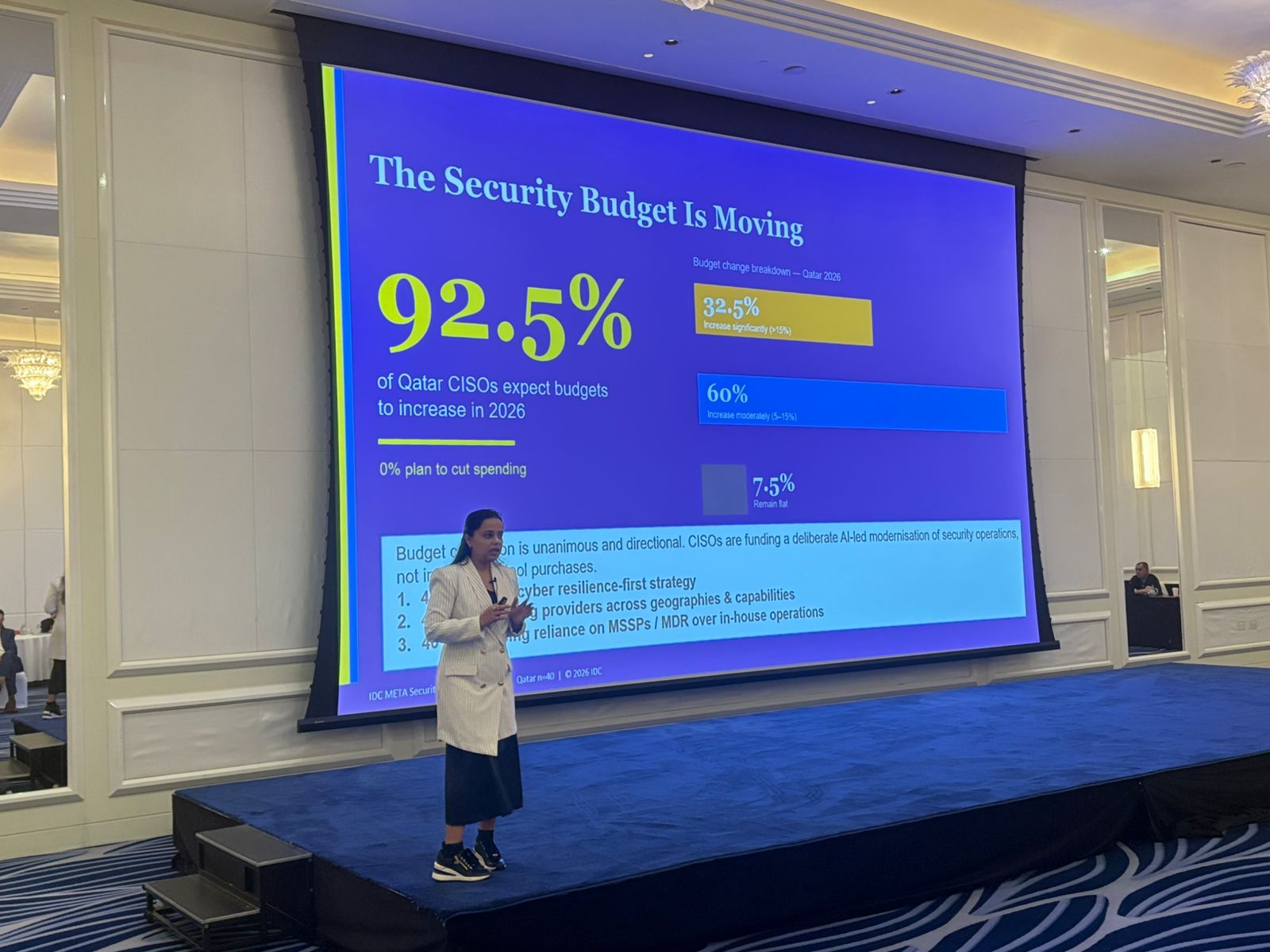
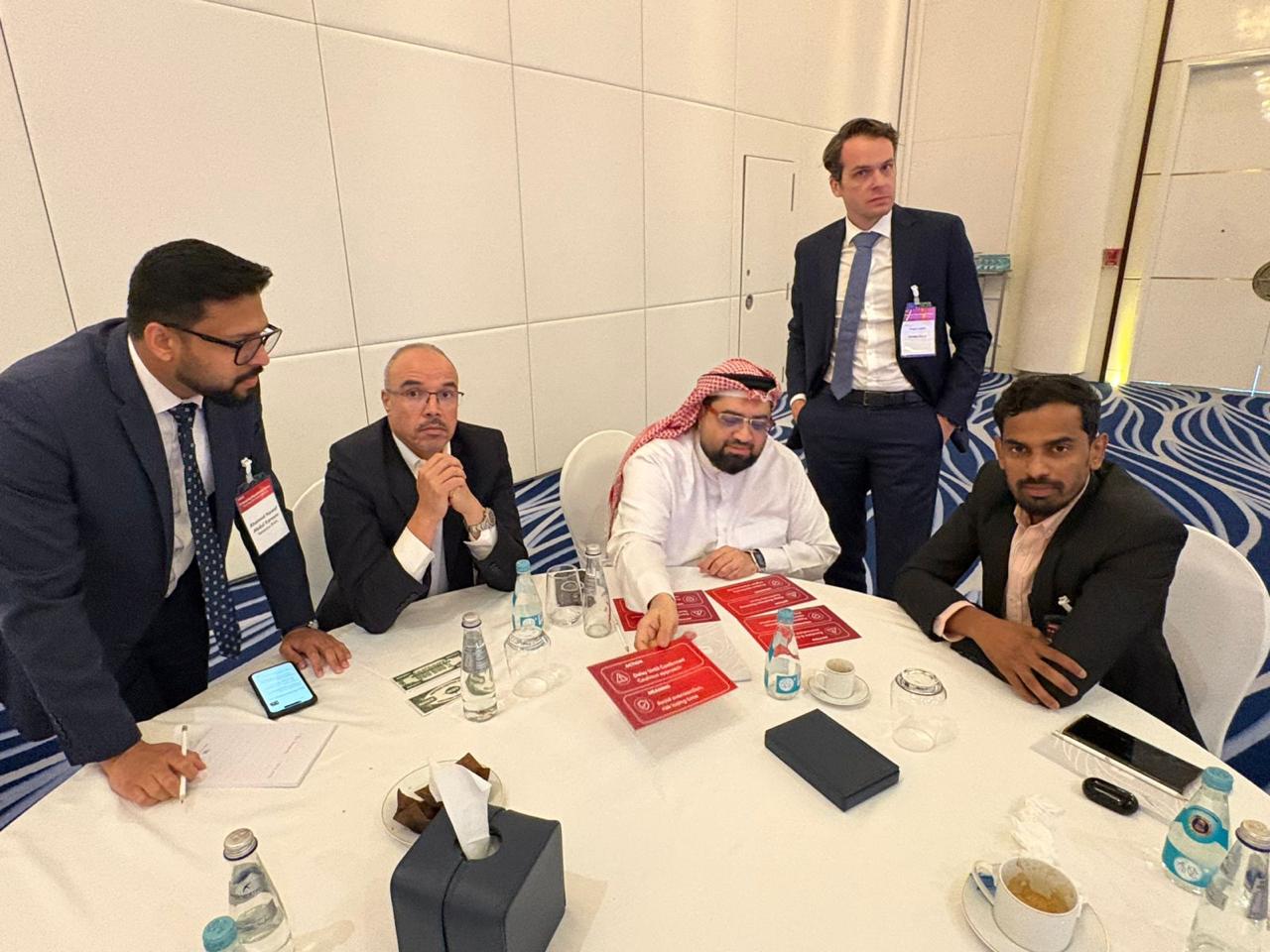
IDC and Nutanix Roundtable

30 Jun 2026 Abu Dhabi, United Arab Emirates

IDC and Nutanix Roundtable

The Future of Cloud in the UAE

Secure, Sovereign & Hybrid

30 Jun 2026 Abu Dhabi, United Arab Emirates

Sponsored by

Logo

As the UAE cements its position as a global AI and digital leader, the transition to a controlled cloud adoption is no longer a choice, but a sovereign and regulatory necessity. The UAE’s vision for data and cloud sovereignty has shifted from simple data locality to full control of the entire technology stack, including AI workloads.


UAE organizations are under increasing pressure to balance innovation with absolute control, ensuring data governance, regulatory compliance, and operational resilience while accelerating cloud adoption. This pressure is compounding as 40% hardware price increases and extended supply chain delays threaten to stall modernization roadmaps. IDC predicts that by 2028, 60% of organizations with digital sovereignty requirements will migrate sensitive workloads to new cloud environments to reduce risk and increase autonomy.


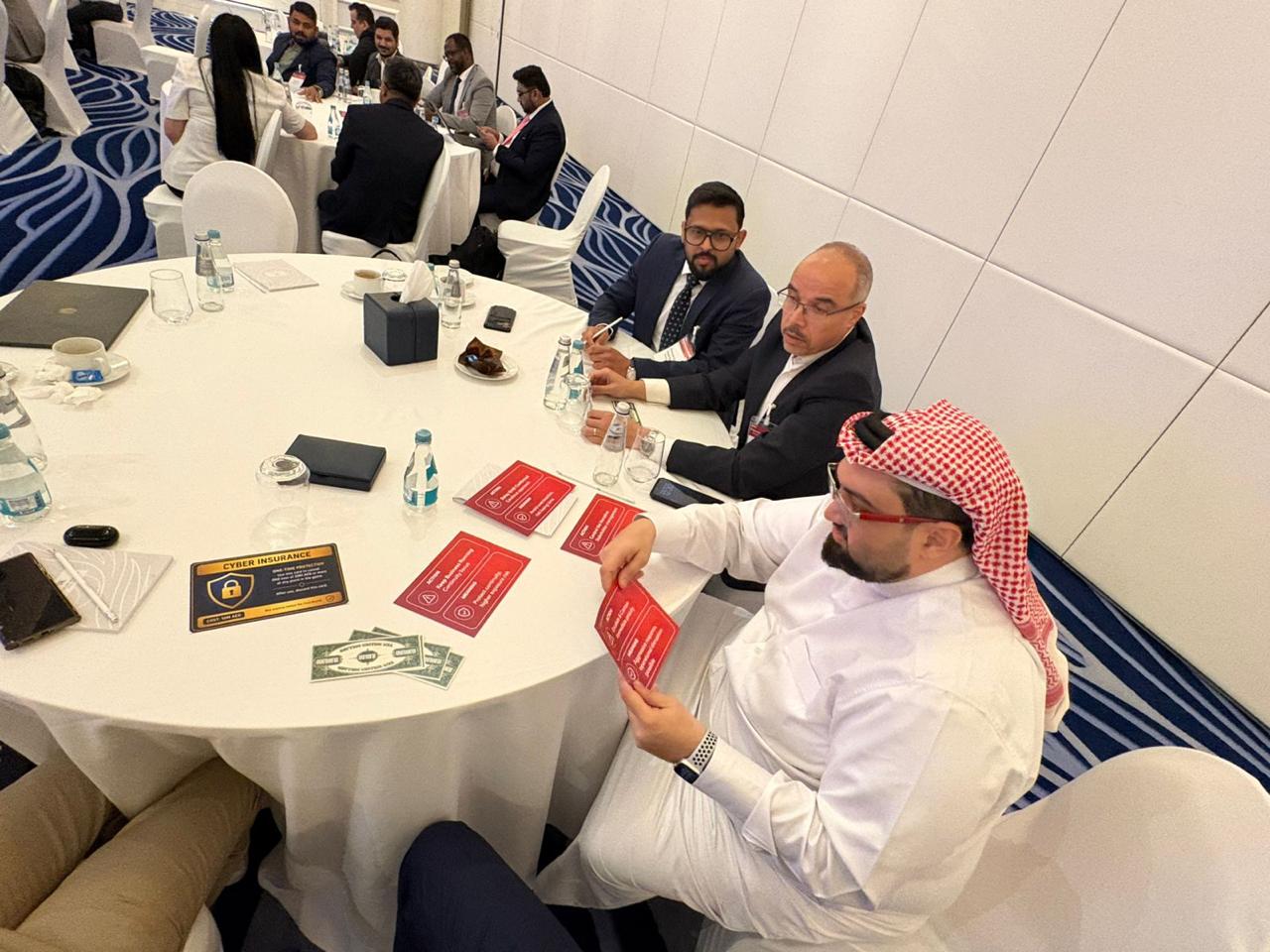
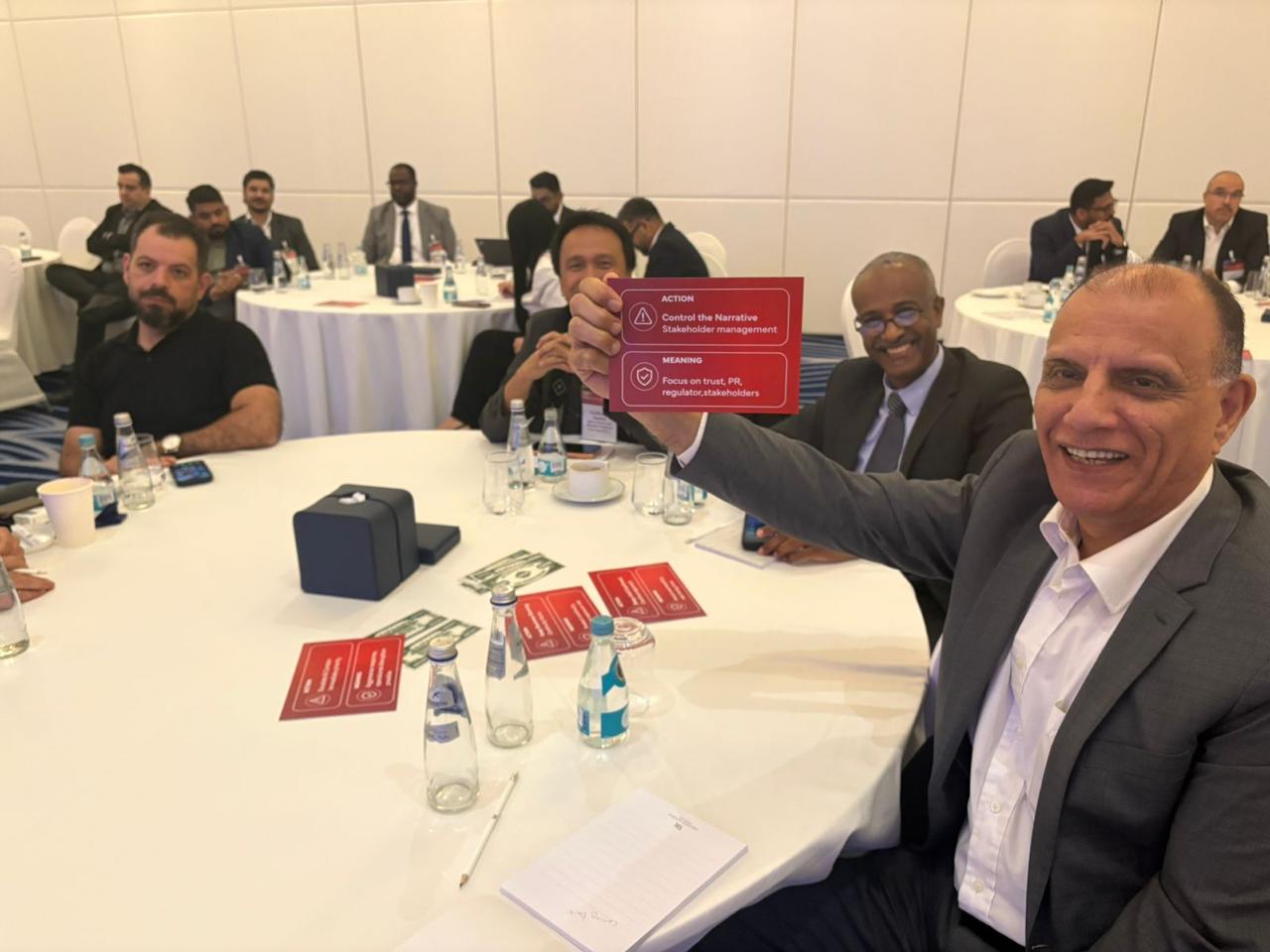
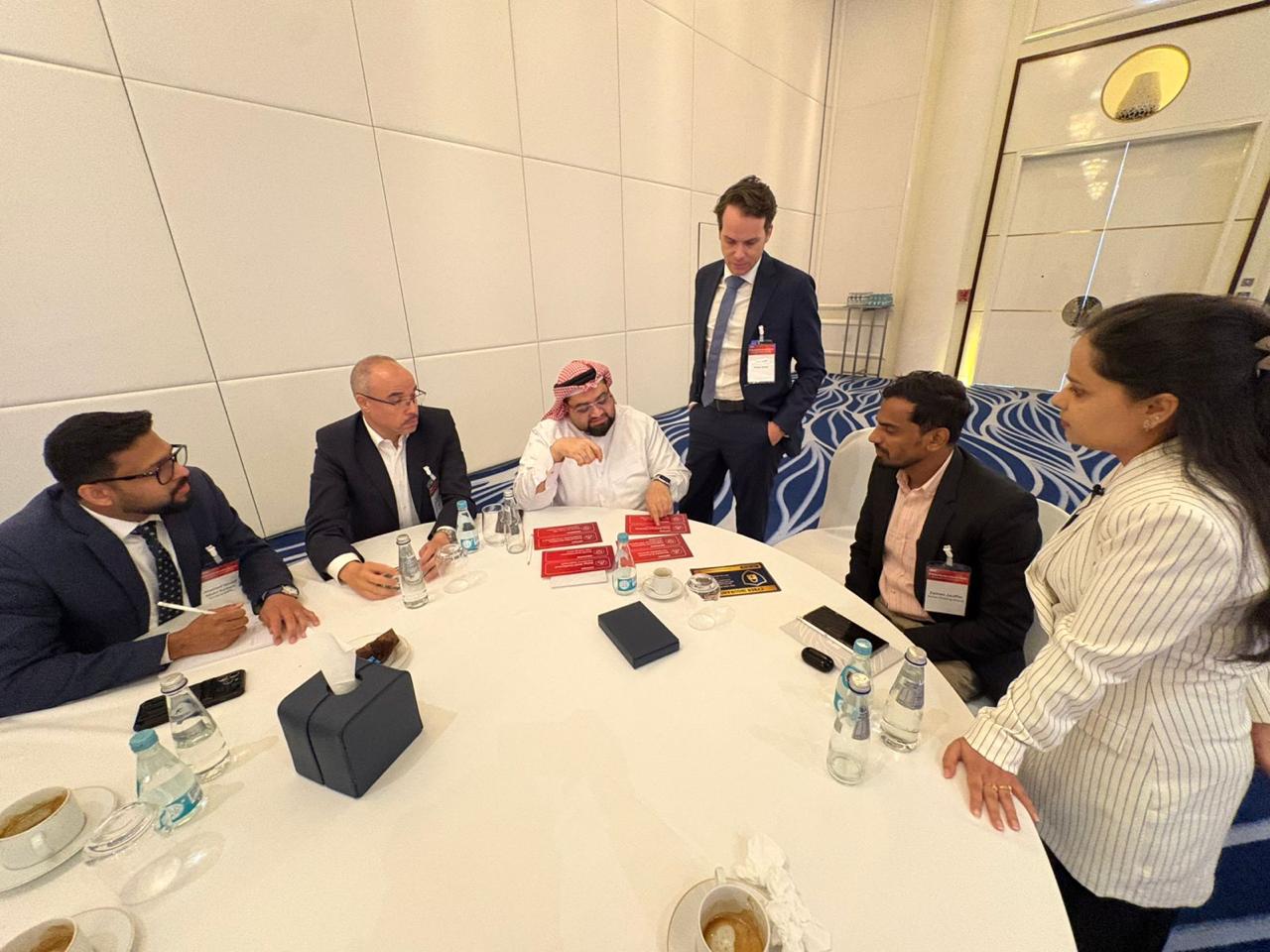
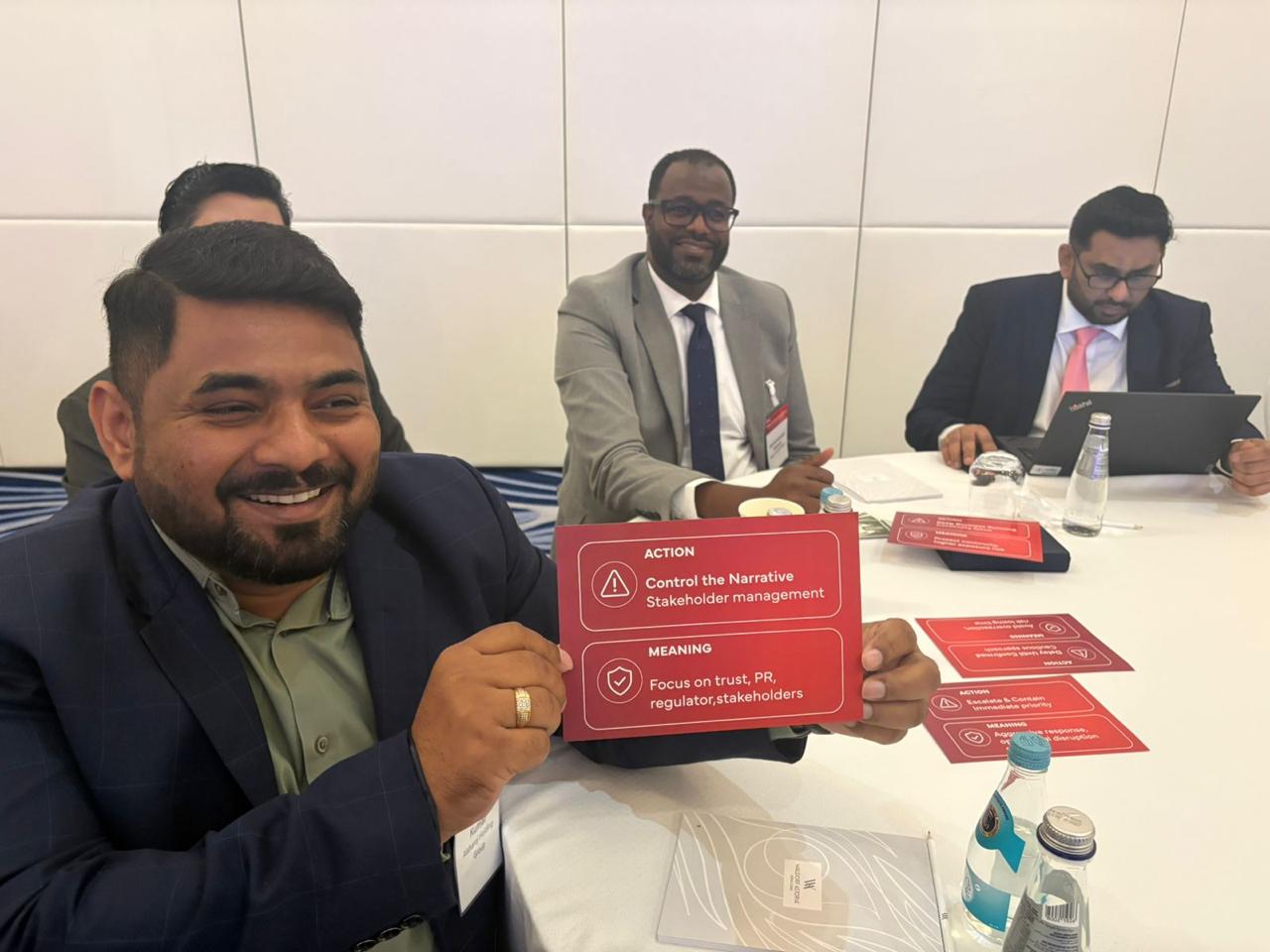
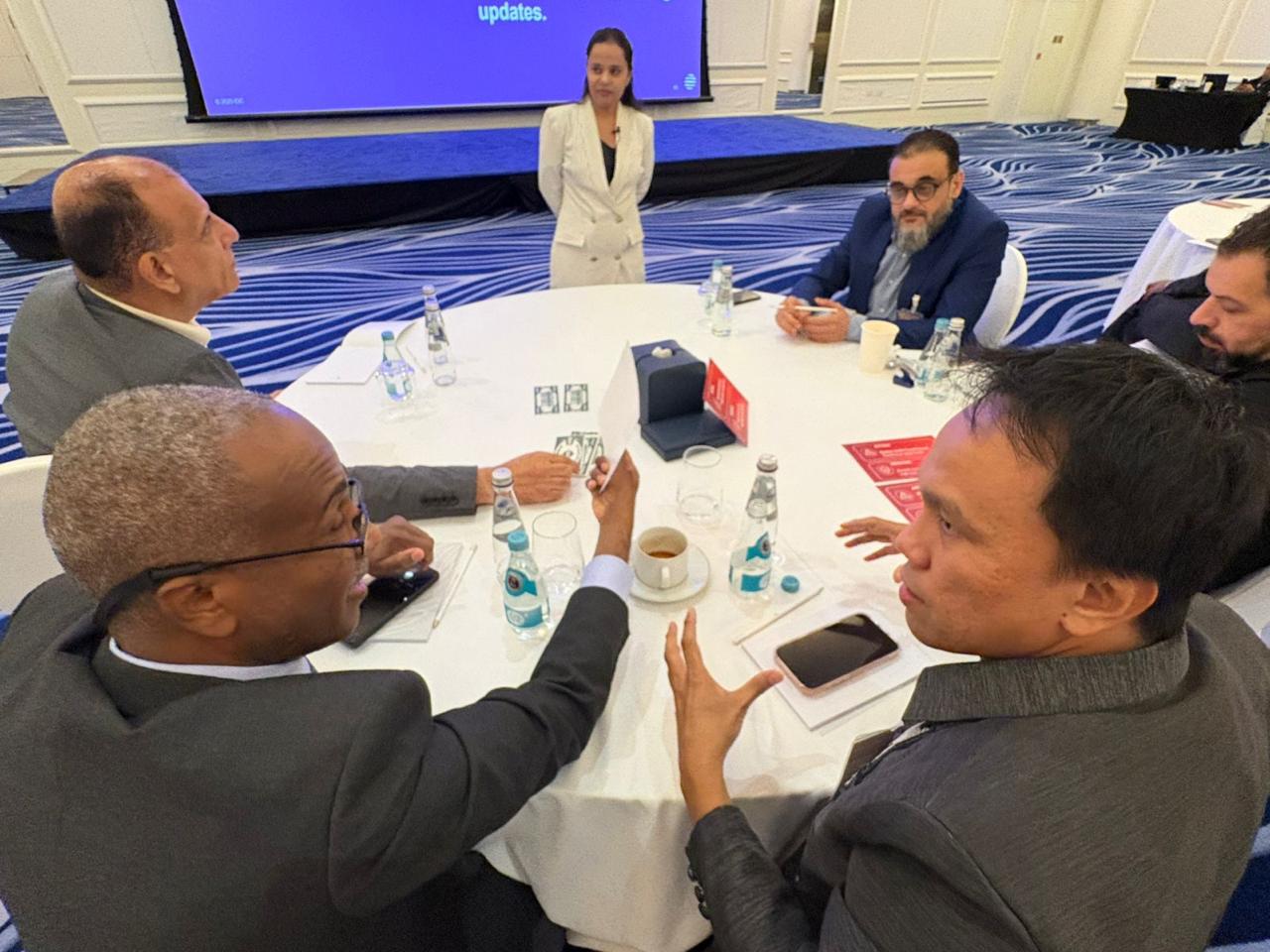
This exclusive CIO roundtable brings together senior IT leaders to explore how enterprises can modernize their infrastructure strategy and modernize their applications without compromise. The discussion will focus on enabling secure, sovereign hybrid cloud environments, bypassing hardware queues with Nutanix Cloud Clusters, and maintaining full control of data across on-premises and public cloud environments.


Through peer exchange and expert insights, attendees will gain practical perspectives on navigating cloud complexity, reducing dependency risks, and building a future-ready, sovereign IT architecture aligned with UAE national priorities. All you need to know to innovate at cloud speed while keeping your data protected.

Agenda

IDC and Nutanix Roundtable

One Day Event

9:00 am

Registration, Breakfast & Networking

9:30 am

IDC Welcome Address

Shahin Hashim

Shahin Hashim

Associate Research Director (META), IDC

9:35 am

Welcome Address by Nutanix

Raif Abou Diab

Raif Abou Diab

General Manager, South Gulf & Sub-Saharan Africa, Nutanix

9:40 am

IDC Keynote: Sovereignty by Design: Redefining Cloud Strategy for UAE’s National Priorities

As the UAE advances its vision for a secure and self-reliant digital economy, organizations are moving beyond traditional cloud adoption toward sovereignty-driven architectures. This session examines how IT leaders can embed governance, compliance, and strategic control into their cloud strategies while supporting innovation, AI readiness, and long-term national objectives.

Shahin Hashim

Shahin Hashim

Associate Research Director (META), IDC

10:00 am

The Future of Hybrid Cloud: Delivering Cloud Agility with Sovereign Control

As UAE organizations accelerate cloud and AI adoption, hybrid cloud is emerging as the ideal model to balance agility with sovereignty. This session explores strategies for modernizing infrastructure while maintaining control, compliance, security, and resilience across hybrid environments.

Parag Karnik

Parag Karnik

CTO, Nutanix

10:30 am

Tea, Coffee & Networking

10:50 am

Open Discussion: Building Resilience Through Sovereign Infrastructure

As resilience becomes a business imperative, organizations must strengthen control over critical workloads and data. This discussion explores how sovereign infrastructure can reduce risk, enhance continuity, and support long-term digital transformation goals.

11:20 am

Summary & Close

11:30 am

Lunch & Networking

Speakers

Shahin Hashim

Shahin Hashim

Associate Research Director (META)

IDC

Read bio

Raif Abou Diab

Raif Abou Diab

General Manager, South Gulf & Sub-Saharan Africa

Nutanix

Read bio

Parag Karnik

Parag Karnik

CTO

Nutanix

Read bio

Partner

Sponsored by

Venue

Emirates Palace Mandarin Oriental, Abu Dhabi

M31 Meeting Room

West Corniche Road – Al Ras Al Akhdar
Abu Dhabi
United Arab Emirates

Be Part of it!

Register Now

Proceedings

Proceedings

Protected

To access this content, please enter the password you have received from IDC.


IDC Directions Türkiye

IDC Directions Türkiye

Unlocking Market Opportunities Through AI-Led Innovation

Overview

Organizations across Türkiye are accelerating their AI journeys, working to unlock greater value from generative AI while preparing for an agentic AI future. Both public and private sector entities are moving beyond isolated experimentation toward widespread adoption and integration. As we look to 2026 and beyond, one imperative will define the agenda: turning AI investments into tangible business outcomes.


IDC Türkiye Directions 2026 in Istanbul will reveal the trends, predictions, and outlooks set to shape the country’s technology markets in the year ahead. The event will examine how technology vendors, service providers, and partners can harness AI’s transformative impact across data, automation, sovereignty, and security and how tech buyers are reshaping their priorities in response.


Join us to uncover market opportunities, decode evolving tech buyer behavior, reimagine digital value, and benchmark AI readiness, as leading IDC analysts share the essential guidance your business needs to thrive in Türkiye’s next chapter of digital transformation.

Agenda

IDC Directions Türkiye

One Day Event

09:00

Registration and Networking

09:30

IDC Welcome Address

Prateek Shah

Prateek Shah

Vice President Sales, META & Central Asia, IDC

09:35

Preparing for the Agent Economy: Where the Next Trillion in Tech Value Will Be Created

Eren Eser

Eren Eser

Associate Research Director, Türkiye, IDC

10:05

AI Evolution and the Emergence of Agentic AI in Türkiye

Melih Murat

Melih Murat

Associate Research Director, Artificial Intelligence (META), IDC

10:25

Driving Customer Value Through Innovation: IDC’s Solutions for Navigating Disruptive Change

Onur Hamitoglu

Onur Hamitoglu

Senior Sales Director, IDC

10:40

Panel Discussion: Capturing the Opportunity: How Vendors, Service Providers, and Partners Can Lead Türkiye’s AI-Led Growth

Mehmet Ali Akarca

Mehmet Ali Akarca

CEO, KoçSistem

Işıl Kılınç Gürtuna

Işıl Kılınç Gürtuna

Country General Manager, IBM

Önder Güler

Önder Güler

Country Manager, Google Cloud

Gürkan Arpacı

Gürkan Arpacı

General Manager, Turkcell Digital Business Services

11:30

Closing Remarks

Eren Eser

Eren Eser

Associate Research Director, Türkiye, IDC

11:30

Networking Break

12:00

Lunch

Speakers

Prateek Shah

Prateek Shah

Vice President Sales, META & Central Asia

IDC

Read bio

Eren Eser

Eren Eser

Associate Research Director, Türkiye

IDC

Read bio

Melih Murat

Melih Murat

Associate Research Director, Artificial Intelligence (META)

IDC

Read bio

Onur Hamitoglu

Onur Hamitoglu

Senior Sales Director

IDC

Read bio

Mehmet Ali Akarca

Mehmet Ali Akarca

CEO

KoçSistem

Read bio

Işıl Kılınç Gürtuna

Işıl Kılınç Gürtuna

Country General Manager

IBM

Read bio

Önder Güler

Önder Güler

Country Manager

Google Cloud

Read bio

Gürkan Arpacı

Gürkan Arpacı

General Manager

Turkcell Digital Business Services

Read bio

Venue

Wyndham Grand Levent, Istanbul

Esentepe, Büyükdere Caddesi No:177 D:183, 34394 Şişli/İstanbul

Knowledge Hub/ Yesh Surjoodeen

Partner Spotlight

Yesh Surjoodeen
Managing Director, Southern and Central Africa Region
HP

Partner Spotlight

From Automation to Agency: Why CIOs Must Build AI Around People, Productivity, and Trust

AI is entering a new phase. Organizations are moving beyond experimentation and looking at how intelligent systems can support day-to-day operations, improve decision-making, and help employees work more effectively. The rise of agentic systems AI tools capable of acting with greater autonomy and context awareness – is accelerating that shift and redefining the CIO agenda.

For technology leaders, the challenge is no longer limited to deploying AI. The focus is now on making AI practical, secure, and useful across the business. That means aligning technology investments with employee needs, operational goals, and long-term business resilience.

Many organizations are still managing fragmented data environments, growing cybersecurity pressures, and aging infrastructure while also responding to demands for faster innovation. At the same time, employees expect technology that simplifies work rather than adding complexity. CIOs are therefore under increasing pressure to create digital workplaces that balance performance, flexibility, and security.

This is where the role of intelligent devices and connected ecosystems is becoming more important. The workplace is no longer defined by a single office or device. Employees need seamless access to tools, insights, and collaboration capabilities wherever work happens. AI-enabled computing experiences can help organizations improve productivity, automate repetitive tasks, strengthen endpoint security, and support more personalized ways of working.
HP believes the future of work depends on technology that is built around people. As organizations adopt AI-enabled systems, the employee experience will become a critical measure of success. CIOs are increasingly evaluating how devices, collaboration tools, and intelligent workflows can help employees focus on higher-value work while reducing friction in everyday tasks.

Trust will remain central to adoption. As AI capabilities expand, organizations must ensure that systems operate responsibly, securely, and transparently. Governance, data privacy, and responsible AI practices are becoming core business priorities rather than technical considerations alone.

The IDC South Africa CIO Summit 2026 arrives at an important moment for technology leaders. Under the theme “The Rise of Agentic Systems,” the event creates an opportunity for CIOs to share practical lessons, discuss emerging priorities, and explore how AI can deliver measurable business impact.

The organizations that succeed in this next phase of AI will be those that combine intelligent technology with human-centered leadership. For CIOs, the opportunity is not simply to adopt new tools, but to shape workplaces where people and technology work better together.

Knowledge Hub- Murtada Ayad_Delinea

Partner Spotlight

Murtada Ayad ,
VP-META
Delinea
Partner Spotlight

When the Threat Landscape Gets Loud, Go Back to Basics: A CISO's Guide to Cyber Resilience Under Pressure

CISOs have never had an easy job, but right now the pressure is particularly acute. Regional tensions, service disruptions, and shifting working patterns are stress-testing business continuity in real time, and cybercriminals are moving fast to exploit chaos. The challenge is not purely technical — security leaders must safeguard systems and maintain resilience while managing their own stress along the way. But clarity, not alarm, is what this moment demands. The leaders who navigate disruption most effectively resist fearmongering and return to fundamentals.

Drawing from the Pandemic Playbook

The early months of 2020 delivered one of the largest real-world stress tests organisations have faced. As workforces shifted overnight, the traditional network perimeter evaporated. What followed was a shift toward identity-centric security — rethinking how access is granted, privileges managed, and suspicious activity detected. The lesson is simple: resilience now depends on identity, not location. Where employees work from anywhere and attackers can impersonate legitimate users, protecting identities is the single most important line of defence.

Identity Is the New Perimeter

Disruption creates ideal conditions for cybercriminals because people act quickly and verify less. Social engineering remains the most effective entry point, and the goal is usually the same: obtain valid credentials. Once attackers hold a legitimate identity, their activity can look indistinguishable from a real employee’s. Strong MFA is one of the most effective defences — the Microsoft Digital Defense Report finds it can block more than 99% of automated account compromise attacks. But MFA alone is not enough. Enforcing least-privilege access and replacing standing admin privileges with just-in-time access dramatically reduces the blast radius if an account is compromised. Most CISOs already have these capabilities within existing identity providers; the priority is configuring and using them consistently.

Quick Wins That Strengthen Defence

Employee awareness is a critical first layer. Trained professionals still make mistakes under pressure, especially when attackers exploit urgency. Reminders about brand impersonation, and verifying official channels before sharing credentials, stop many attacks from gaining traction. Equally important is clear communication with leadership: boards need calm, evidence-based updates, not dramatic forecasts. Framing cybersecurity around operational resilience builds confidence when speculation can easily spiral.

The Quiet Strength of Getting the Basics Right

Disruption invites narrative, but most attacks still rely on the same core techniques: phishing, credential theft, privilege escalation, and lateral movement. What changes is not the method, but the intensity. The most effective response is also the least glamorous: recommit to the controls that move the needle. The fundamentals are not a fallback — they are the strategy.

Knowledge Hub- Murtada Ayad_Delinea

Partner Spotlight

Murtada Ayad ,
VP-META
Delinea
Partner Spotlight

When the Threat Landscape Gets Loud, Go Back to Basics: A CISO's Guide to Cyber Resilience Under Pressure

CISOs have never had an easy job, but right now the pressure is particularly acute. Regional tensions, service disruptions, and shifting working patterns are stress-testing business continuity in real time, and cybercriminals are moving fast to exploit chaos. The challenge is not purely technical — security leaders must safeguard systems and maintain resilience while managing their own stress along the way. But clarity, not alarm, is what this moment demands. The leaders who navigate disruption most effectively resist fearmongering and return to fundamentals.

Drawing from the Pandemic Playbook

The early months of 2020 delivered one of the largest real-world stress tests organisations have faced. As workforces shifted overnight, the traditional network perimeter evaporated. What followed was a shift toward identity-centric security — rethinking how access is granted, privileges managed, and suspicious activity detected. The lesson is simple: resilience now depends on identity, not location. Where employees work from anywhere and attackers can impersonate legitimate users, protecting identities is the single most important line of defence.

Identity Is the New Perimeter

Disruption creates ideal conditions for cybercriminals because people act quickly and verify less. Social engineering remains the most effective entry point, and the goal is usually the same: obtain valid credentials. Once attackers hold a legitimate identity, their activity can look indistinguishable from a real employee’s. Strong MFA is one of the most effective defences — the Microsoft Digital Defense Report finds it can block more than 99% of automated account compromise attacks. But MFA alone is not enough. Enforcing least-privilege access and replacing standing admin privileges with just-in-time access dramatically reduces the blast radius if an account is compromised. Most CISOs already have these capabilities within existing identity providers; the priority is configuring and using them consistently.

Quick Wins That Strengthen Defence

Employee awareness is a critical first layer. Trained professionals still make mistakes under pressure, especially when attackers exploit urgency. Reminders about brand impersonation, and verifying official channels before sharing credentials, stop many attacks from gaining traction. Equally important is clear communication with leadership: boards need calm, evidence-based updates, not dramatic forecasts. Framing cybersecurity around operational resilience builds confidence when speculation can easily spiral.

The Quiet Strength of Getting the Basics Right

Disruption invites narrative, but most attacks still rely on the same core techniques: phishing, credential theft, privilege escalation, and lateral movement. What changes is not the method, but the intensity. The most effective response is also the least glamorous: recommit to the controls that move the needle. The fundamentals are not a fallback — they are the strategy.

IDC and Lenovo Roundtable

25 Jun 2026 Johannesburg, South Africa

IDC and Lenovo Roundtable

Digital Transformation: Rewiring the Healthcare Experience

25 Jun 2026 Johannesburg, South Africa

Sponsored by

Logo

South Africa’s healthcare system is navigating a complex set of pressures. A syndemic of communicable and chronic disease, workforce shortages, rising patient expectations, and tightening budgets are pushing the system to its limits. For healthcare service providers, digital transformation has become the primary mechanism for keeping pace with what patients and healthcare professionals now demand.
The infrastructure, however, has not caught up. Fragmented systems, siloed records, and non-interoperable platforms remain the biggest barriers.


IDC research shows that 50% of META healthcare organisations want to prioritise integrated and virtual care delivery models, and half are planning further investment in health data platforms. Across the region, the priority is to shape a 360-degree patient view, built on interoperable platforms and secure, compliant infrastructure.


With AI predicted to transform healthcare, the CIO mandate is clear. Every investment must be tied to a strong outcome, and the ROI conversation must move beyond cost savings to patient outcomes, clinical efficiency, and AI at scale.


EMEA healthcare spending is forecast to grow at a 9.4% CAGR through 2029, but CIOs must ensure the foundation is ready to deliver returns the business can trust.

IDC and Lenovo are bringing together senior healthcare technology leaders in South Africa to explore what it takes to rewire the experience from the inside out.

Agenda

IDC and Lenovo Roundtable

One Day Event

4:30 pm

Registration & Networking

5:00 pm

IDC Welcome and Keynote: Sustaining Digital Transformation in South African Healthcare in the AI Era

EMEA healthcare IT spending is forecast to grow at a 9.4% CAGR through 2029, but investment alone will not close the readiness gap. This session benchmarks where South African organizations stand on the digital maturity curve and outlines what it will take to turn digital spending into measurable outcomes.

Jonathan Tullett

Jonathan Tullett

Associate Research Director, IDC

5:20 pm

Building the Infrastructure Healthcare Transformation actually Needs

Digital transformation in healthcare is stalling not because of a lack of vision. Fragmented systems, legacy hardware, and non-interoperable platforms are creating a ceiling on what AI, virtual care, and integrated data strategies can deliver. This session examines what infrastructure-ready healthcare looks like in practice, edge computing at the point of care, secure and compliant data architecture, devices built for clinical environments, and managed services that reduce the burden on IT teams,

Thibault Dousson

Thibault Dousson

SSG Director, META, Lenovo

5:50 pm

Open Discussion: Redefining ROI: Building the Business Case for Healthcare Transformation

Healthcare CIOs are under pressure to justify technology investment using financial frameworks that were not designed for clinical environments. Traditional ROI metrics capture cost savings but fall short when outcomes like diagnostic accuracy, care continuity, and clinician retention carry equal weight. Senior technology leaders in the South Africa’s Healthcare sector examine how a more complete investment case can be constructed.

Jonathan Tullett

Jonathan Tullett

Associate Research Director, IDC

Thibault Dousson

Thibault Dousson

SSG Director, META, Lenovo

6:20 pm

Summary and Close

6:25 pm

Networking Dinner

Speakers

Jonathan Tullett

Jonathan Tullett

Associate Research Director

IDC

Read bio

Thibault Dousson

Thibault Dousson

SSG Director, META

Lenovo

Read bio

Partner

Sponsored by

Venue

The Maslow Hotel Sandton

Vertex Ballroom

Rivonia Rd, Grayston Dr, Gauteng
Sandton, 2146, South Africa

Be Part of it!

Register Now

Knowledge Hub / Arif Ekemen

Partner Spotlight

Arif Ekemen
Cloud Services Product Management Director
Uyumsoft
Partner Spotlight

Yeni Nesil Yatırım Getirisi: Esnek Teknoloji Altyapılarının İşletme Performansına Etkisi

Dijitalleşme artık işletmeler için bir rekabet avantajı değil, temel bir standart haline gelmiştir. Ancak “herkesin dijitalleştiği” bu yeni denklemde, piyasa değerini ve karlılığını katlayan şirketleri diğerlerinden ayıran temel unsur, sahip oldukları teknolojinin derinliği değil, bu teknolojinin esnekliği ve modülerliğidir. Teknolojik altyapısını statik bir yapıdan, dinamik bir ekosisteme dönüştürebilen kurumlar, yatırım getirisini geleneksel modellerin çok ötesine taşımaktadır.

Entegrasyonun Finansal Kaldıraç Etkisi

Geleneksel, kapalı devre ERP sistemleri, her yeni ihtiyaçta ek yazılım yatırımı ve karmaşık entegrasyon maliyetleri doğurarak işletme bütçeleri üzerinde “teknolojik borç” yaratır. Oysa esnek altyapılı çözümler, sundukları yüksek özelleştirme kabiliyeti sayesinde bu maliyet döngüsünü kırar.

Yapılan güncel araştırmalar, teknoloji stratejisini doğru kurgulayan ve modern bir mimariye sahip olan şirketlerin, teknoloji yatırımlarından elde ettikleri nakit akışını ve operasyonel karlılığı, stratejik olarak zayıf kalan rakiplerine oranla üç kata kadar daha fazla artırabildiğini göstermektedir. Bu başarının temelinde; farklı yazılımlarla kusursuz entegre olabilen, ek yatırıma ihtiyaç duymadan ölçeklenebilen ve operasyonel çevikliği destekleyen esnek sistem katmanları yer almaktadır.

Yapay Zeka Hırsı ve Modernizasyon Bariyeri

Kurumsal dünyada yapay zeka ve otomasyona duyulan ilgi, çoğu zaman mevcut “legacy” sistemlerin modernizasyon hızını geride bırakmaktadır. Birçok işletme, gelişmiş AI çözümlerini hantal ve esneklikten uzak altyapılar üzerine inşa etmeye çalışırken verimlilik kaybı yaşamaktadır. Yeni nesil teknoloji ekonomisinde fark yaratanlar, altyapılarını sadece bugünün operasyonlarını yönetmek için değil, yarının bilinmeyen teknolojilerine “tak-çalıştır” mantığıyla uyum sağlamak üzere tasarlayanlardır. Esnek bir ERP, veriyi demokratize ederek ve dış sistemlerle köprü kurarak, şirketin diğer yan yazılımlara olan bağımlılığını minimize eder.

Yeni Nesil ROI’nin Temelinde Esneklik Var

Modern teknoloji ekonomisinde başarı, yalnızca maliyet tasarrufuyla değil, değer yaratma hızıyla ölçülmektedir. Esnek bir altyapı tercihi, it departmanının kararı olmaktan ziyade bir üst yönetim stratejisidir. Diğer programlara yapılan mükerrer yatırımları engelleyen, sistemler arası veri akışını standartlaştıran ve işletmeye ihtiyaç duyduğu özelleştirme alanını tanıyan teknolojik çözümler; dijitalleşme evresini tamamlamış ancak performans noktasında sıkışmış şirketler için en büyük çıkış yoludur.

Gerçek dijital olgunluk, karmaşık yazılım ağlarına sahip olmak değil; iş süreçlerine hızla adapte olabilen bütünleşik ve şirketlerin kendi disiplerine de uyum sağlayabilecek esneklikte teknolojik çekirdeğe sahip olmaktır.

Cloud Migration in KSA

Cloud Migration in KSA

Cloud Migration in KSA

A Strategic Approach to Readiness, Risk, and ROI

Sponsored By

Logo

Saudi Arabia’s Vision 2030 has made digital infrastructure a national priority. Cloud adoption is central to that agenda, enabling enterprises to modernise operations, scale AI initiatives, and compete on a regional and global scale. With public cloud services in Saudi Arabia expected to grow at a 31% CAGR through 2029, nearly tripling the annual market size, cloud has become a strategic priority for enterprises across the Kingdom. Recent regional conflict has further sharpened that conversation.


However, the modernization gap remains a reality in the region.


IDC research shows that 51% of organizations across META continue to rely on legacy applications due to concerns about business disruption. For Saudi organisations, monolithic systems remain a key barrier, driving up migration costs and extending timelines. Many enterprises default to lift-and-shift approaches that accelerate early migration but limit long-term cloud ROI.


This exclusive roundtable discussion, hosted by Sudo in association with IDC, will explore how enterprise leaders in Saudi Arabia can approach cloud migration more strategically assessing readiness, mitigating risk, and aligning cloud investments more closely with business outcomes.

Key Discussion Points

  • How Vision 2030 priorities are shaping enterprise cloud strategy and what alignment looks like in practice
  • How sovereign cloud, data residency, and NCA compliance shape cloud architecture and migration decisions in KSA
  • How to accelerate migration timelines while maintaining robust security controls and risk management
  • How to build the internal capability to operate, optimize, and grow on the cloud post-migration

Agenda

Cloud Migration in KSA

One Day Event

6:00 pm

Registration & Networking

6:45 pm

IDC Welcome Address

6:50 pm

IDC Keynote – Beyond Residency: Running Sovereign Cloud and AI in the Kingdom

Saudi Arabia has passed the cloud decision; spending and adoption show the debate is settled. The harder question is operational: sovereignty is now less about where data sits and more about who runs it and how. This keynote argues that the operating model that determines whether the Kingdom’s cloud and AI plans hold at production scale.

Shahin Hashim

Shahin Hashim

Associate Research Director (META), IDC

7:10 pm

From Migration to Modernization: Building a Cloud Foundation for Resilience, ROI, and AI in Saudi Arabia

As Saudi Arabian organizations accelerate their digital transformation journeys, the shift from cloud migration to cloud modernization has become mission-critical. This session explores how enterprises can build a robust cloud foundation that drives resilience, delivers measurable ROI, and unlocks the full potential of AI. We will examine the key pillars of a future-ready cloud strategy — from optimizing workloads and governance frameworks to enabling AI-powered innovation at scale. Drawing on real-world insights, attendees will leave with a clear roadmap for turning their cloud investments into a strategic advantage aligned with Saudi Vision 2030 and the demands of tomorrow’s digital economy.

Hameedullah Khan

Hameedullah Khan

CEO, SUDO Consultants

7:30 pm

Panel Discussion – Securing the Kingdom: Navigating Compliance, Sovereignty, and Cyber Resilience in the AWS KSA Region

With the launch of the AWS KSA Region, Saudi enterprises now have the infrastructure to meet the Kingdom’s evolving regulatory landscape — but compliance and security require more than just local data residency. This panel brings together cloud architects, cybersecurity leaders, and regulatory experts to explore how organizations can align with NCA’s Essential Cybersecurity Controls (ECC), NDMO’s Personal Data Protection Law (PDPL), and SAMA’s cloud security mandates within a sovereign cloud framework. Panelists will examine how the AWS Shared Responsibility Model redefines security ownership for KSA customers, and how global threat intelligence can be harnessed to defend against regional and state-sponsored cyber threats — ensuring the Kingdom’s digital transformation is both agile and secure.

Syed Rehan

Syed Rehan

Partner Solution Architect – Cybersecurity and AI, AWS

Shahin Hashim

Shahin Hashim

Associate Research Director (META), IDC

Hameedullah Khan

Hameedullah Khan

CEO, SUDO Consultants

8:00 pm

Summary and Close

8:05 pm

Dinner and Networking

Speakers

Shahin Hashim

Shahin Hashim

Associate Research Director (META)

IDC

Read bio

Hameedullah Khan

Hameedullah Khan

CEO

SUDO Consultants

Read bio

Syed Rehan

Syed Rehan

Partner Solution Architect – Cybersecurity and AI

AWS

Read bio

Partner

Sponsored By

Venue

Mecca Meeting Room, Fairmont Riyadh, Business Gate

Be Part of it!

Register Now

Knowledge Hub / Mohamed Elgeziry

Partner Spotlight

Partner Spotlight

Scaling Egypt’s AI Ambition: Why a Universal Semantic Layer Is Now Critical Infrastructure

Egypt is moving fast. With a bold National AI Strategy (2025–2030), a target to drive 7.7% of GDP through digital technologies, and an ambition to develop 30,000 AI specialists, the country is not just participating in the global AI race—it is actively shaping it.

This strategy is built on six pillars: Governance, Technology, Data, Infrastructure, Ecosystem, and Talent. The inclusion of “Data” as a standalone pillar reflects a clear understanding: data is the raw material of intelligence.

As organizations across Egypt accelerate AI adoption, the focus is shifting from experimentation to execution. Across banking, telecom, government, healthcare, and emerging sectors such as agriculture, the question is no longer whether to deploy AI—it is whether AI can operate on trusted, consistent, and governed business meaning across increasingly distributed data environments.

This is where the real opportunity emerges.

Enterprises often assume that once AI is connected to data, it will understand the business. In reality, AI interprets tables, columns, and raw records—it does not inherently understand what defines a “customer,” “revenue,” or “risk.” Without a shared layer of meaning, outputs can vary across systems and teams.

Consider a bank building AI models across departments. Marketing may define “high-value customers” based on transaction frequency, while risk defines them based on creditworthiness. Without alignment, AI-driven decisions can diverge—not because the models are flawed, but because the underlying business logic is fragmented.

A Universal Semantic Layer addresses this challenge.

It acts as a centralized, governed representation of business logic—defining metrics, rules, and relationships once, and making them consistently available across all systems, dashboards, and AI applications. In doing so, it becomes more than a data layer; it becomes a strategic enabler across Egypt’s AI pillars.

For Governance, it ensures consistent and enforceable business definitions.
For Technology and Infrastructure, it decouples logic from underlying systems, enabling flexibility and scalability.
For Talent, it translates complex data into business language, empowering a broader set of professionals to contribute to AI-driven growth.

As AI adoption scales across Egypt’s priority sectors, this foundation becomes critical. Industry analysts now position the semantic layer as essential enterprise infrastructure, underscoring its role in enabling trusted, scalable AI.

The path forward is clear: before scaling AI, organizations must scale understanding.

In Egypt’s AI journey, competitive advantage will not come from deploying more models. It will come from ensuring those models operate on a unified, trusted understanding of the business.