Executive Roundtable
IDC AI and Data Management Forum 2026, Japan
Partnered by
Partnered by
2026年は、企業が既存業務にAIを本格適用する重要な節目となります。しかし、技術・コスト・人材、そして業務プロセスの複雑さなど、実装には依然として多くのハードルがあります。本Executive Roundtableは、IT部門の部長職以上の方を特別にお招きし、クローズドな環境でこうした実務課題を議論する双方向型セッションです。
企業全体の業務にAIを適用していくうえで欠かせない、業務プロセスの可視化・標準化など「今まさに取り組むべき重点事項」を深掘りします。
・開催日時:2026年3月3日(火)12:25~13:35(12:20~受付開始)【ランチ付き】
・会場: 東京コンファレンスセンター・品川 4階 ボードルームN [アクセス]
・主催:IDC Japan株式会社
・協賛:Smartsheet Japan 株式会社
・対象:国内大手企業のCIO/ITリーダー(部長職相当以上)の方(ご招待制)
・申込締切:2026年3月2日(月)正午(定員に達し次第、お申込みを締め切らさせて頂きます。)
・参加費:無料(事前登録制、1社につき1名様のみのご招待)
※1社より複数名の申込があった場合は、先着順とさせて頂きます。
◆本イベントはIDC AI and Data Management Forum 2026, Japanの昼食時間に開催するエグゼクティブ限定プログラムです。本プログラムへご参加頂くにあたって、事前にIDC AI and Data Management Forum 2026, Japanへのお申し込みをお願いしております。◆
アジェンダは諸般の事情により変更になる可能性がございます。
2026年は既存の業務にAIを本格的用する年になります。IT市場では生成AIの活用やAIエージェントの登場などのトピックスが言及されていますが、実際の業務に適用するためには技術、コスト、企業文化など様々なハードルがあります。
特に人に依存した業務プロセスや、プロセス変更運用など、事業にAIを適用するに当たって新たな課題が表面化しています。このセッションでは、企業全体の業務に渡るAI適用を進めるために今取り組むべきことを議論するにあたって、IDCアナリストが最新の市場動向と企業が直面する主要課題を整理します。
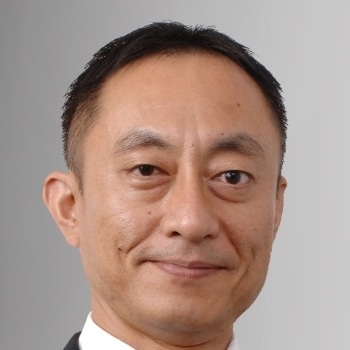
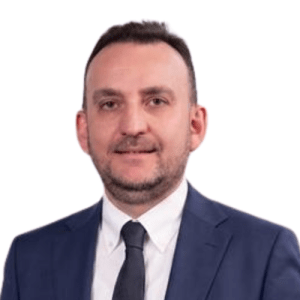
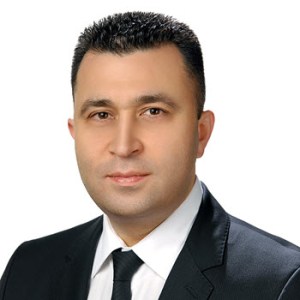
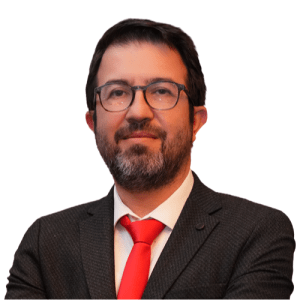
眞鍋 敬
シニアリサーチディレクター、AI and Automation, IDC Japan 株式会社
来るべきエージェンティックAI活用の時代に向けて、企業・組織は、今、何をすべきなのか?「AIを導入したいが、データの集約や環境整備、さらには適切な文化の醸成ができない」というような根本的な課題に直面した企業や組織が今すぐできる「第一歩」をご提案します。
本ラウンドテーブルでは、午前中のセッションを踏まえ、全社的なAI適用を見据えて「今、マネジメントが着手すべき標準化・可視化の指針」を改めて5分で凝縮してお伝えします。AIが自律的に動く「Digital Co-worker」として真価を発揮するための土台となる「業務プロセスの見直しと標準化」と、組織の壁を越えて情報が正しく循環する「可視化」の実現についてのロードマップも提示します。バラバラな管理手法を統合し、社内のインサイトが、AIが活用可能な『組織の知能』へと変換するべく、「標準化と可視化」をAI導入と同時並行で加速させましょう。
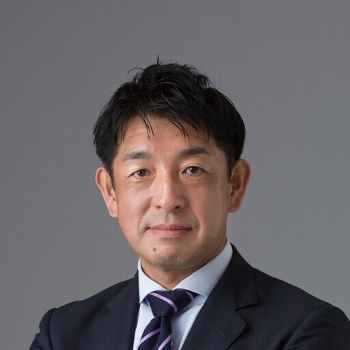
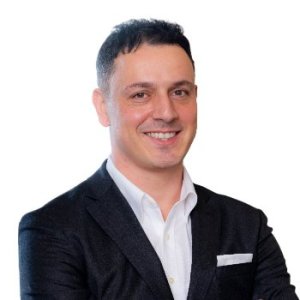
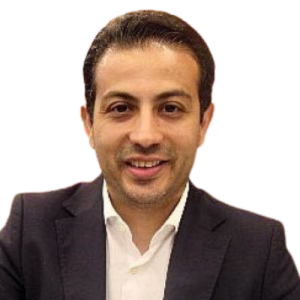
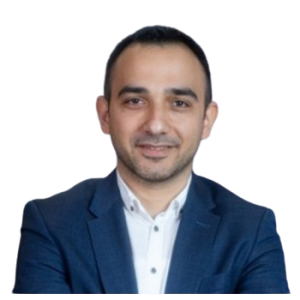
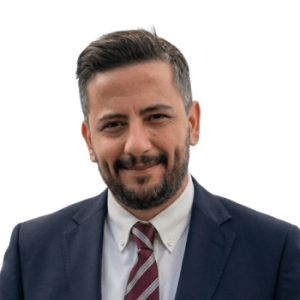
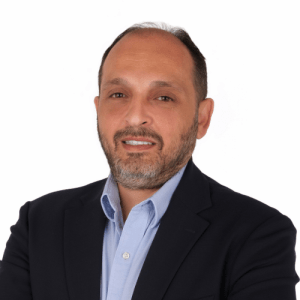
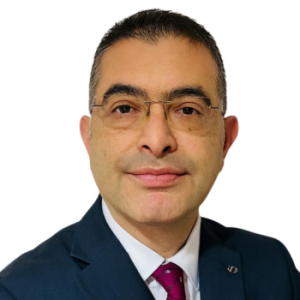
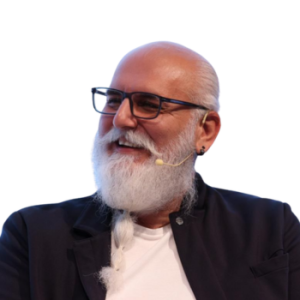
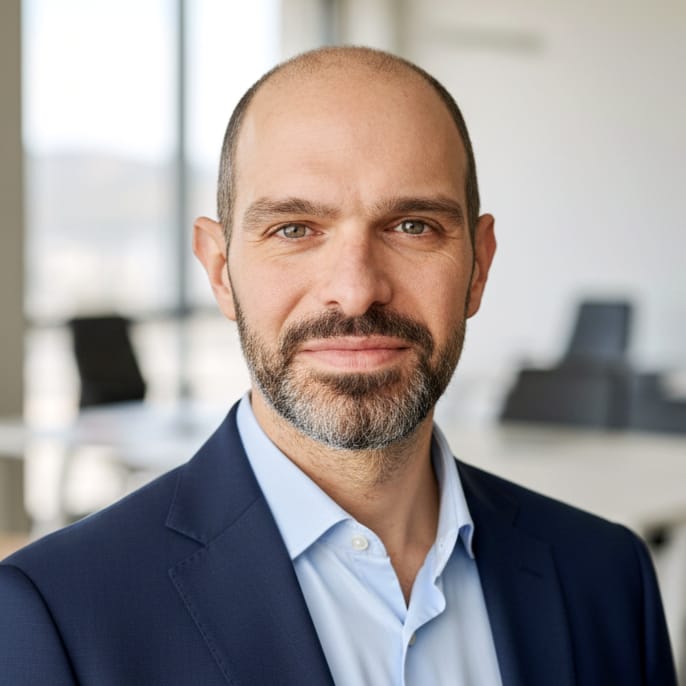
嘉規 邦伸 氏
社長執行役員, Smartsheet Japan 株式会社
ディスカッショントピックスの例:
・将来の全社的なAI業務適用を見据えた時に、今やっておくことは何か
・プロセスの可視化・自動化・標準化の成熟度とその課題
2026年は既存の業務にAIを本格的用する年になります。IT市場では生成AIの活用やAIエージェントの登場などのトピックスが言及されていますが、実際の業務に適用するためには技術、コスト、企業文化など様々なハードルがあります。
特に人に依存した業務プロセスや、プロセス変更運用など、事業にAIを適用するに当たって新たな課題が表面化しています。このセッションでは、企業全体の業務に渡るAI適用を進めるために今取り組むべきことを議論するにあたって、IDCアナリストが最新の市場動向と企業が直面する主要課題を整理します。
来るべきエージェンティックAI活用の時代に向けて、企業・組織は、今、何をすべきなのか?「AIを導入したいが、データの集約や環境整備、さらには適切な文化の醸成ができない」というような根本的な課題に直面した企業や組織が今すぐできる「第一歩」をご提案します。
本ラウンドテーブルでは、午前中のセッションを踏まえ、全社的なAI適用を見据えて「今、マネジメントが着手すべき標準化・可視化の指針」を改めて5分で凝縮してお伝えします。AIが自律的に動く「Digital Co-worker」として真価を発揮するための土台となる「業務プロセスの見直しと標準化」と、組織の壁を越えて情報が正しく循環する「可視化」の実現についてのロードマップも提示します。バラバラな管理手法を統合し、社内のインサイトが、AIが活用可能な『組織の知能』へと変換するべく、「標準化と可視化」をAI導入と同時並行で加速させましょう。
Smartsheetは、企業の業務管理やプロジェクトや、プロセス管理を効率化するためのクラウドベースのプラットフォームです。その柔軟なUIで、業界、部門を問わず様々な業務に適応可能で、業務プロセスの効率化、情報共有の透明性向上、柔軟な運用を支援します。フォームによる情報収集機能、関数などの表計算機能、ワークフローによる自動化、役割や部門ごとに活用できるレポートやダッシュボードをご用意しています。またそれだけでなく、業務拡大に耐えうるプレミアム機能も揃えており、変化の多いお客様の業務を柔軟にご支援します。
東京コンファレンスセンター・品川
4階 ボードルームN
〒108-0075
東京都港区港南 1-9-36
アレア品川
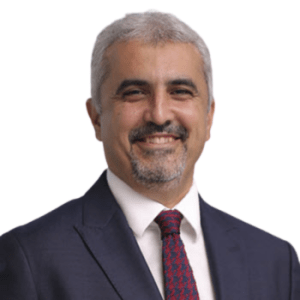
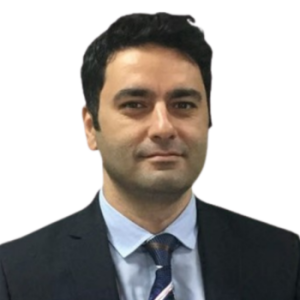
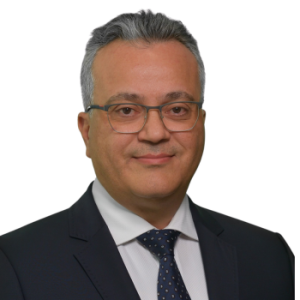
Eren is a seasoned analyst with 20+ years of experience in the ICT sector. He directs all IDC ICT research and consulting engagements in Türkiye, and all sustainability research and consulting projects across the Middle East, Türkiye, and Africa (META).
Based in Istanbul, Eren has been involved in projects ranging from market forecasts to strategic consulting engagements on market entry, competitive analysis, go-to-market strategies, technology marketing, and end-user studies. Eren’s vast experience in the IT services, cloud, software, and telecommunications domains helps IDC clients understand the impact of technology-enabled, sustainable transformation processes in the context of sustainable digital business strategies, operations, products, and services. In addition to his research and consulting activities, Eren is a speaker at industry events.
Prior to joining IDC in 2017, Eren spent more than a decade in IT industry roles spanning portfolio management, channel and business development, pricing, and software development at companies including Turk Telekom and TAI.
Eren earned a bachelor’s degree in electrical and electronics engineering and an MBA focused on technology road mapping for strategy and innovation, both from Middle East Technical University. He received a master of science in information systems, with a thesis on modeling mobile telecommunications services, from Middle East Technical University. During his academic endeavors, he studied for one semester at the University of Copenhagen, and for one semester at Harvard University. He is pursuing a marketing PhD focused on sustainability.

As AI evolves from an operational tool into a core strategic partner, this panel brings together the perspectives of the CFO, CMO, CHRO, and CTO to examine the tangible impact of technological transformation on financial sustainability, customer experience, and talent management. These diverse leaders discuss how they overcome cultural and technical barriers through cross-functional collaboration, sharing real-world insights on how AI-driven business models are boosting corporate agility and ROI. The session concludes by outlining a unified strategic roadmap and the essential leadership competencies required to build an organization that truly embodies the “AI Everywhere” mindset.
We have moved past the “Great Implementation.” As we enter 2026, the global enterprise has reached a critical inflection point where the sheer volume of data, the complexity of multi-cloud ecosystems, and the velocity of agentic AI have outpaced traditional human management. The mandate for the CIO has fundamentally shifted: it is no longer about managing technology, but about architecting autonomy.
The traditional image of the Chief Information Officer (CIO) as a “gatekeeper of the server room” is officially a relic of the past. In today’s hyper-digital economy, the CIO has moved from the back office to the boardroom, evolving from a functional manager of infrastructure into a pivotal business strategist and growth driver. This panel explores the profound shift in the CIO’s mandate. We will discuss how the modern technology leader balances the “keep the lights on” operational requirements with the high-stakes demand for digital transformation, data-driven innovation, and customer experience.
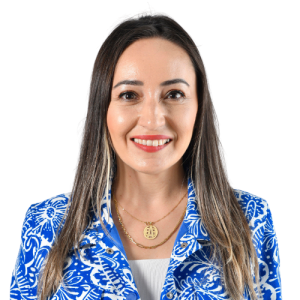
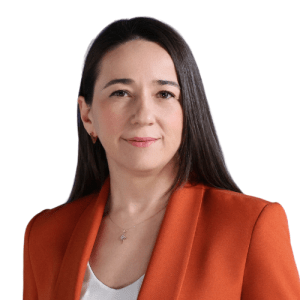
After graduating from the Economics Department at Hacettepe University, Işıl Kılınç Gürtuna began her career at the Turkish Economy Bank (a BNP Paribas Group company) and Deutsche Bank. She later led sales and business development activities in financial services technologies across Oracle’s Central and Eastern Europe (EE&CIS) region.
Joining IBM Türkiye in 2020, Gürtuna has held leadership roles responsible for digital and commercial clients, ecosystem management, and cloud sales strategy. In 2022, as Head of Technology Sales, she focused on artificial intelligence, data, sustainability and hybrid cloud solutions.
As of July 1, 2023, she serves as the General Manager of IBM Türkiye, aiming to drive innovation and impact in the technology sector through a transformational and positive leadership approach.
AI isn’t just enhancing the business model. By 2030, it will be the business model. Leaders are recognizing that the future of business is a hybrid of people and software. Every process that can be automated will be. Every role will be enhanced by intelligent systems that learn and adapt
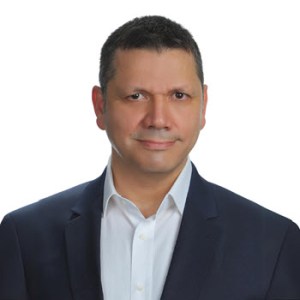
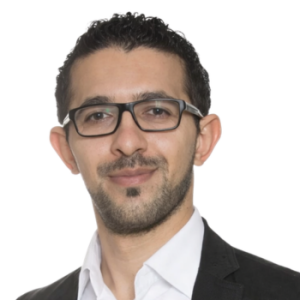
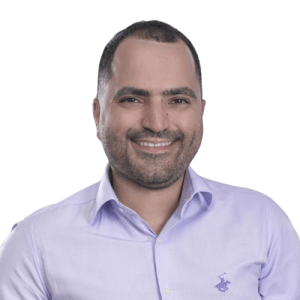
Gokhan Erdogdu received his BS and MS degrees from Middle East Technical University Mechanical Engineering. At the same time, he completed his minor studies in the Department of Business Administration / Corporate Finance of the same university. He started his professional career at Aselsan as an RD Engineer. Gokhan is an experienced professional in the business application market, with over 15 years of industry expertise. He has successfully founded and grown three companies, taking them from inception to a substantial workforce. He speaks English and German.
Artificial intelligence has moved beyond experimentation into everyday business use. Yet despite widespread adoption, measurable impact remains inconsistent. The core reason is not the lack of AI capabilities, but the lack of consolidated, reliable data. This session focuses on how fragmented data environments limit AI effectiveness and why data consolidation is the true foundation of Business AI. It explores the shift from isolated tools to unified data models where AI can understand context, operate across workflows, and deliver real outcomes. Organizations will learn how to turn AI from a disconnected assistant into an execution layer powered by a single, trusted source of truth.
Erbug Saglam is a senior cloud solution architect with over 12 years of experience delivering large-scale migration, modernization and AI transformation programmes across regulated enterprise environments. Skilled in multi-cloud platforms such as Huawei Cloud, AWS and Azure, he leads end‑to‑end solution lifecycles from assessment to production and has designed secure, multi‑AZ architectures and air‑gapped custody environments. His career includes driving multi-cloud and hybrid‑cloud projects at SabancıDx and digital transformation initiatives at Bosch and IBM. Saglam holds a BSc in Management Information Systems from Marmara University and multiple cloud certifications.
Yusuf Tok is Chief Technology Officer at OBSS, where he leads the company’s technology vision, architecture direction, and engineering standards across a large-scale delivery organization. With more than 25 years of experience in enterprise software engineering, he has built deep expertise in distributed systems, cloud transformation, application modernization, and AI-native software delivery. At OBSS, he has played a central role in scaling the engineering organization from 30 to more than 800 professionals, while helping shape the company’s evolution into an engineering-led technology consultancy. His work spans mission-critical platforms, large-scale modernization programs, and AI-driven transformation, particularly in banking and other complex regulated environments.
Since the Roman army organized soldiers into eight-man tents -contubernium-, every reorganization has worked around the same fact: a human can manage perhaps eight others. Hierarchy was not strategy; it was the workaround we built because we had no alternative. Intelligence is now abundant, and ironically even modern defense is moving past command-and-control. A new shape is taking form — the AI-Native Operating Company. This talk maps its anatomy: a Harness, four stages of work, and the loop that compounds every cycle into a smarter organization — and the changed role of the people inside it.
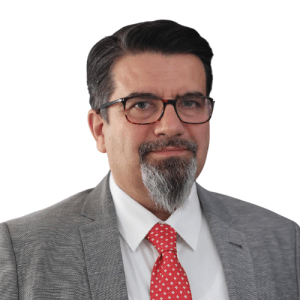
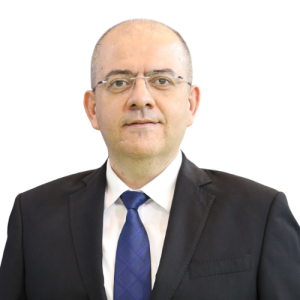
He received his bachelor’s degree in Management Information Systems from Boğaziçi University. He worked as Business Analyst & Project Manager in Turkcell and Türk Telekom (Avea). In 2010, he worked as a Business Development Manager and Miles & Smiles Loyalty Program & CRM Department Manager roles at Turkish Airlines. In 2012, he joined Teradata as Senior Industry Lead and managed Telecommunications and Media sector in Turkey as well as within EMEA region. In particular, he served in the area of large data and analytics solutions for more than 3 years, and was appointed as the Vice President of Digital Services at Turkish Airlines in 2016 January. He managed digital channels & services of Turkish Airlines and Anadolujet brands and the airport passenger systems. On November 1, 2018, he joined Vakıf Katılım Bankası as Chief Information Officer, responsible for information technology and digital banking.
Uğur Dede is a technology professional with 20+ years of experience, specializing in cloud-native data infrastructure and AI-driven architectures. At MinIO, he enables organizations to modernize their data platforms by building S3-compatible, high-performance, and scalable infrastructures.
Throughout his career, he has worked with multiple global technology vendors, developing deep expertise in distributed systems, Kubernetes, and data-intensive workloads. He is recognized for turning complex data challenges into simple, fast, and business-impacting solutions.
He believes that in the AI era, true differentiation comes not from technology alone, but from well-architected data infrastructure.
Özlem Kalkan has over 21 years of experience in digital transformation and business model innovation within the technology and telecommunications sectors. Throughout her career, she has held various leadership roles at prominent organizations such as SabancıDx, Türk Telekom, and Avea, where she specialized in technology partnerships, customer-centric solutions, and team leadership. She holds a degree in Microelectronics Engineering and Telecommunications and completed the mini-MBA program at INSEAD. A strong advocate for female leadership in tech, her efforts have been recognized with global awards from Microsoft and IDC. In addition to her executive career, she has served as a Board Member for Teknosa and Lumnion and remains active in non-profit organizations such as Women on Board Turkey and the Woman in Technology Association (Wtech). Currently, at Oredata, she manages projects focused on expanding the Google Cloud market in Turkey, leveraging the transformative power of cloud technologies and AI to deliver sector-specific solutions that meet client needs and create tangible value.
Serkan Sevim is a serial entrepreneur and Founder & CEO of Medianova, a CDN and cloud company operating across 50+ global locations, delivering 30 billion hits/day to 150 million end users. Recognized by Gartner, Frost & Sullivan, and Deloitte Fast50 five consecutive years, Medianova serves 600+ enterprise customers with CDN, WAF, DDoS, and edge services. Previously, Sevim co-founded Mezun.com — named Fastest Growing Private Company in Baltimore — and built an online flower business to 150,000+ customers before a successful exit. An EY Entrepreneur of the Year finalist in Maryland, he holds a physics degree from Boğaziçi University and an MIS master’s from the University of Baltimore.
Seçkin Özel is a Senior Solution Engineer at Strategy with 15+ years of experience in business intelligence, data analytics, and cloud technologies. He works with enterprise customers across Türkiye, the Middle East, and South Africa, helping them drive digital transformation through modern data platforms and AI-driven solutions.
Operations and Business Development Deputy General Manager
ESARJ Elektrikli Araçlar Şarj Sistemi
Read bio
As AI evolves from an operational tool into a core strategic partner, this panel brings together the perspectives of the CFO, CMO, CHRO, and CTO to examine the tangible impact of technological transformation on financial sustainability, customer experience, and talent management. These diverse leaders discuss how they overcome cultural and technical barriers through cross-functional collaboration, sharing real-world insights on how AI-driven business models are boosting corporate agility and ROI. The session concludes by outlining a unified strategic roadmap and the essential leadership competencies required to build an organization that truly embodies the “AI Everywhere” mindset.
Burak Demirtaş is a visionary leader specializing in e-mobility and financial technologies, with a profound focus on digital transformation and organizational agility. An alumnus of Middle East Technical University in Electrical and Electronics Engineering, Demirtaş seamlessly integrates his technical foundation with Design Thinking methodologies acquired from the Hasso Plattner Institute to drive human-centric innovation.
Throughout his career, he has shaped IoT policies at the World Economic Forum and held executive directorships at Token Financial Technologies. Currently serving as the Business Unit Lead at WAT Mobilite, Demirtaş leverages an Agile Coaching approach to harmonize complex technologies with high-performance principles, guiding teams through successful, impact-oriented transformation journeys.
EV charging is a growing frontier of the new reality of mobility. It is a living ecosystem where hardware, regulations, energy dynamics, and user expectations move in parallel, and rarely in sync. WAT Mobilite’s platform had to stop behaving like a delivered project and start behaving like a product that evolves with the ecosystem it serves. In this talk, WAT’s technology leader walks through the architectural decisions, operating model shifts, and hard trade-offs behind that transition, and explains why data and AI are the next layer to tackle in the mobility value chain.
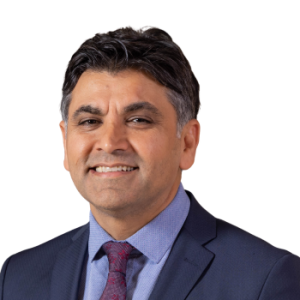
Ismail Arslan is a technology strategist and executive with over two decades of experience in cloud, data, and digital product transformation. Recognised among the early public cloud pioneers in Turkey, he has led large-scale initiatives across finance, retail, and media, and advised global technology leaders on cloud adoption. As VP of Strategy at Runibex, he focuses on building scalable digital platforms and guiding organisations through modernisation. His work connects platform decisions to commercial outcomes. He divides his time between the Istanbul HQ and Runibex’s growing UK presence.
EV charging is a growing frontier of the new reality of mobility. It is a living ecosystem where hardware, regulations, energy dynamics, and user expectations move in parallel, and rarely in sync. WAT Mobilite’s platform had to stop behaving like a delivered project and start behaving like a product that evolves with the ecosystem it serves. In this talk, WAT’s technology leader walks through the architectural decisions, operating model shifts, and hard trade-offs behind that transition, and explains why data and AI are the next layer to tackle in the mobility value chain.
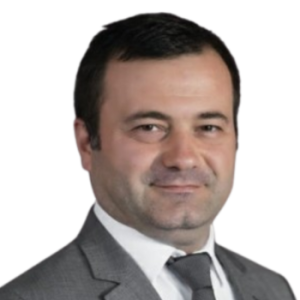
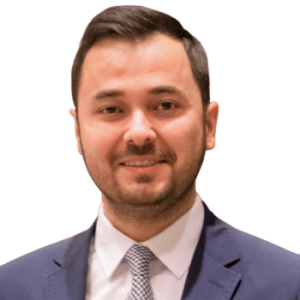
Cem brings 10+ years of experience in the enterprise software space, spanning from application development platforms to agentic orchestration ones. At Camunda he focuses on the Turkish market with the goal of growing the local ecosystem by connecting customers, partners, and the broader community.
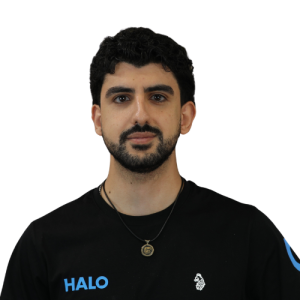
Ali Yildirim is a Technical Solutions Consultant at Halo Service Solutions, based at the company’s headquarters in the UK. He studied Computer Science at University of York and has been working at Halo since graduating. In his role, he works on technical implementations, supports global customers and partners, and contributes to growth in the Turkish market. He is involved across both the technical and commercial sides of the business and also works with the AI and product teams across implementations and enterprise solutions.
Fulya Doğanay serves as the Chief Sales, Marketing & Operations Officer at Seneka Yazılım, where she leads the growth, sales, and go-to-market strategies for e-Signature and Electronic Document Management System (EDMS) platforms. She contributes to organizations’ digital transformation journeys by building strategic relationships with decision-makers across both public and private sectors.
Throughout her career, she has taken on key roles in well-established pharmaceutical companies such as Drogsan Pharmaceuticals, where she managed various programs including Turquality. She also played an active role in procurement processes within digital transformation initiatives and coordinated international export and sales operations. At Novagentek, she was responsible for managing tender and business development processes.
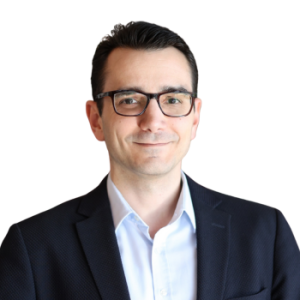
Her multifaceted experience in sales, marketing, operations, business development, and digital transformation enables her to approach the strategic importance of e-signature and electronic document management solutions in corporate processes from a holistic perspective. With international work and educational experience in the Netherlands and the United Kingdom, she brings a strong multicultural outlook.
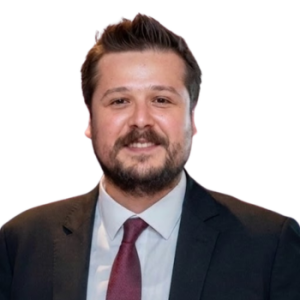
Ahmed ElHamouly is the Head of the Middle East, Turkey, and Africa (META) at Boomi, where he leads the company’s regional growth strategy and works closely with enterprises to accelerate their digital transformation initiatives.
Ahmed played a key role in establishing Boomi’s presence across the META region and expanding its footprint across multiple industries including telecommunications, logistics, retail, government, manufacturing, and financial services.
With more than two decades of experience in enterprise technology, Ahmed brings deep expertise in integration, data management, API-led architectures, and modern cloud platforms. He regularly works with CIOs and technology leaders to help organizations unlock the value of their data, modernize complex IT environments, and drive innovation through connected digital ecosystems.
Prior to joining Boomi, Ahmed held leadership roles at global technology organizations including Dell EMC, SAP, and Oracle
Haldun Seçkin, Director of System Applications at BTC Bilişim Hizmetleri, is a technology leader who combines a strong academic background in electrical and electronics engineering with many years of experience in SAP and system applications. A graduate of Middle East Technical University with a master’s degree, Seçkin has led comprehensive projects across a wide range of industries, from manufacturing and defense to automotive and retail. His core areas of expertise include SAP technology architecture, system migrations, cloud transformation, and performance optimization. He has served more than 150 clients in Turkey and Germany, taking on critical roles in large-scale SAP projects. A PMP-certified professional, he effectively integrates advanced technical knowledge with strong leadership skills.
Speaker
Roberta Bigliani
Group Vice President, Global Lead for Energy & Retail Insights and Industry Hub, IDC
Giovanni Cervellati | IDC Europe
Research Manager, Data & AI
Giovanni Cervellati is a research manager in IDC Europe’s software group, supporting the European Intelligent Analytics and Data Strategies practice across both research and consulting projects. His core research coverage includes user practices and the cultural aspects of analytics software usage, as well as demand and supply trends in advanced analytics and business intelligence.
A native Italian, he is based in IDC’s Frankfurt office. He has a technical background and worked as an SPSS (IBM) employee as a data mining consultant, performing analysis and training for the Italian market using SPSS products and software. He then became a data scientist working as an independent consultant for some of the biggest corporates in Italy, with a strong focus on predictive analytics and machine learning.
He studied in Bologna, Italy, and has a bachelor’s degree in statistics.
Speaker
Roberta Bigliani
Group Vice President, Global Lead for Energy & Retail Insights and Industry Hub, IDC
Speaker
Roberta Bigliani
Group Vice President, Global Lead for Energy & Retail Insights and Industry Hub, IDC
Giovanni Cervellati
Research Manager, Data & AI, IDC Europe
Speaker
Roberta Bigliani
Group Vice President, Global Lead for Energy & Retail Insights and Industry Hub, IDC
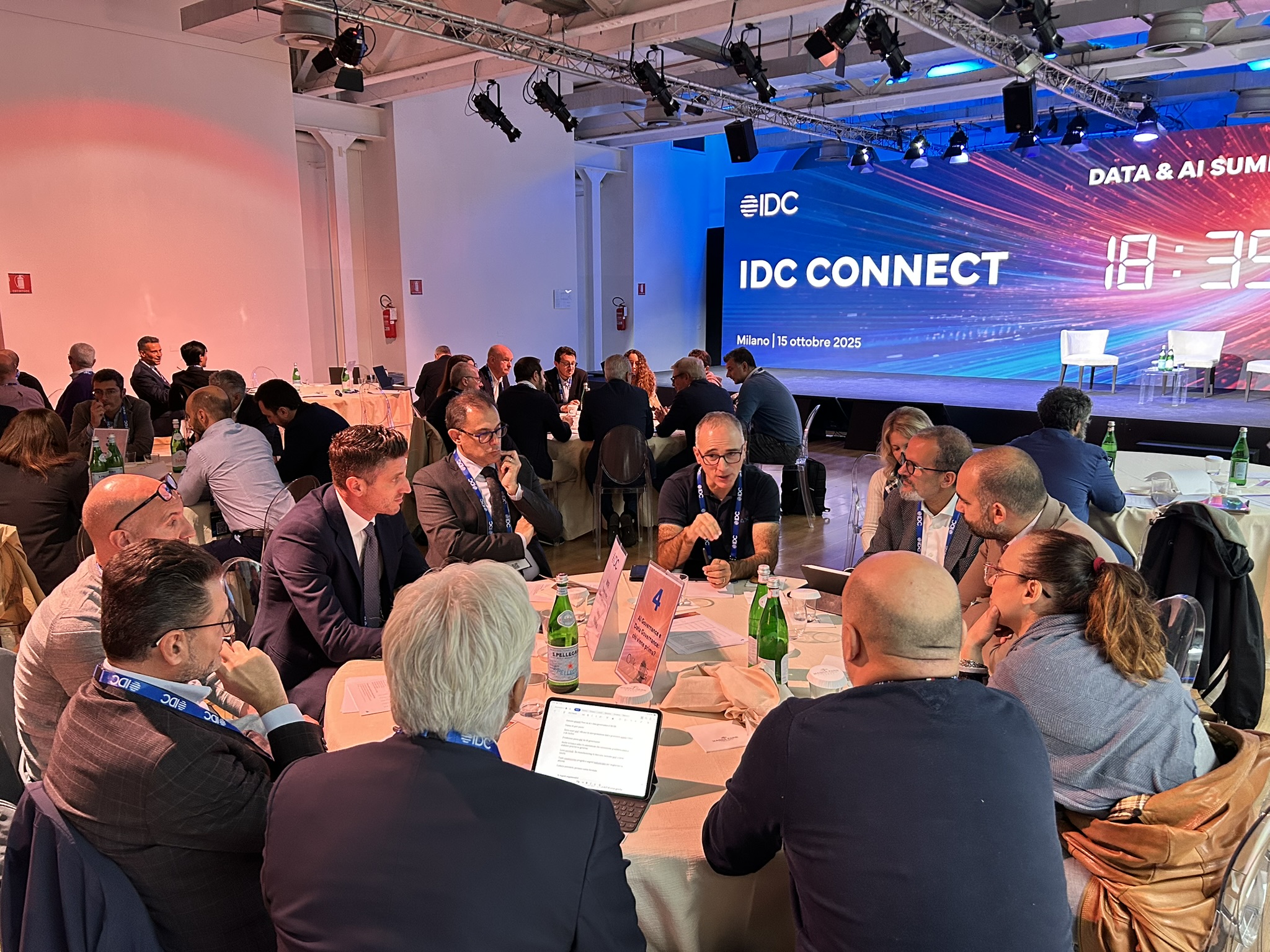
L’IDC AI and Data Summit è l’evento di riferimento per i senior executive dell’ambito tecnologico e di business che definiscono le strategie per l’intelligenza artificiale e i dati in Italia. Progettato per CDO, Heads of Data, e leader dell’innovazione e dell’AI, questo evento offre strategic insights e practical frameworks allineati con le priorità nazionali: modernizzazione industriale AI-driven, digital sovereignty, innovazione etica e human-centric ed eccellenza nella data governance.
L’Italia si sta rapidamente affermando come protagonista nel panorama europeo della Responsible AI, guidata dalla Strategia Nazionale per l’Intelligenza Artificiale e da un crescente impegno verso un’innovazione digitale sostenibile, trasparente e sovrana. Con l’espansione dell’adozione dell’AI nel 2026, le organizzazioni si trovano ad affrontare sfide complesse: garantire la compliance con l’EU AI Act, risolvere i problemi di data quality e governance e modernizzare infrastrutture frammentate per supportare una trusted AI su larga scala.
Le ricerche di IDC mostrano che il 29% delle imprese europee indica la disponibilità e la qualità dei dati come i principali ostacoli per generare valore dall’AI; inoltre, sebbene oltre il 90% condivida dati esternamente, solo il 30% lo fa in modo strategico. In Italia, questi dati evidenziano l’urgenza di sviluppare ecosistemi di dati affidabili, piattaforme interoperabili e governance frameworks robusti che promuovano l’innovazione salvaguardando, al contempo, privacy, accountability e standard etici.
Attraverso keynote, executive panel e sessioni di peer discussion, i partecipanti acquisiranno gli insights e gli strumenti necessari per trasformare l’AI e i dati in pilastri della prossima ondata di innovazione, resilienza e competitività digitale del Paese.
Entro il 2027, le organizzazioni che adotteranno strumenti e processi per la valutazione e il monitoraggio dell'AI avranno la sicurezza necessaria per implementare applicazioni di intelligenza artificiale con una velocità doppia rispetto a chi non lo farà.
Le aziende stanno cambiando prospettiva: non si tratta più solo di “usare l’AI”, ma di valorizzare il patrimonio dei dati per alimentare l’intelligenza artificiale. Questo significa adottare pratiche di maturità del dato — come la catalogazione, la tracciabilità (lineage) e il monitoraggio (observability) — per migliorare le prestazioni dei modelli e l’impatto reale sul business.
Trasformare le sperimentazioni con dati e intelligenza artificiale in risultati di business misurabili richiede framework di KPI chiari, business case solidi e use case scalabili che siano direttamente collegati al valore finanziario per l’azienda.
Integrare principi di equità (fairness), mitigazione dei pregiudizi (bias mitigation), verificabilità e trasparenza lungo tutto il ciclo di vita dell’AI è fondamentale. Questo approccio permette di rafforzare la fiducia degli utenti, garantire la conformità alle normative e costruire sistemi intelligenti affidabili nel lungo periodo.
Trovare l’equilibrio tra la residenza dei dati, i vincoli normativi e il flusso di informazioni transfrontaliero richiede strategie di cloud ibrido, modelli di governance condivisi e architetture interoperabili capaci di rispondere alle reali esigenze di business.
Mentre i modelli generativi e “agenti” (Agentic AI) superano la fase di semplice assistenza, i leader devono concentrarsi sui sistemi di controllo, sul bilanciamento tra costi e rischi, sul design di modelli ibridi e sull’integrazione con i sistemi AI già esistenti.
Implementare l’intelligenza artificiale su larga scala richiede un’infrastruttura moderna e flessibile che spazi dall’edge al cloud. Queste architetture devono essere ottimizzate per parametri critici come latenza, capacità di calcolo, costi, sovranità dei dati e distribuzione dei carichi di lavoro.
Nel 2026, una rinnovata attenzione verso l'AI tradizionale per garantirne affidabilità e trasparenza (explainability) spingerà il 70% delle organizzazioni ad adottare la "Composite AI": un approccio che fonde tecnologie generative, prescrittive, predittive e agentiche.
Group Vice President, Global Lead for Energy & Retail Insights and Industry Hub
IDC
Read bio
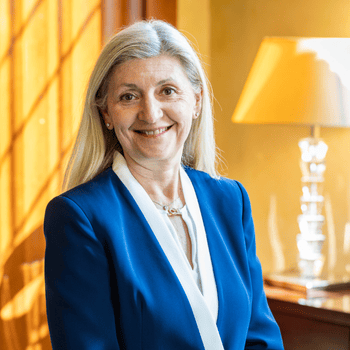
Roberta Bigliani is a Group Vice President at IDC, and Global Lead for Energy Insights, Retail Insights, and the IDC Industry Hub.
She leads IDC’s global research, data, and custom delivery agendas for energy, utilities, and retail, and oversees the Industry Hub, which drives cross-industry initiatives and collaboration.
A recognized expert in industry and business transformation, with longstanding experience in energy and utilities, Roberta’s work centers on how AI and digital technologies are reshaping the industry – enabling new business and operating models, enhancing operations and customer experiences, and effectively integrating IT and operational technology.
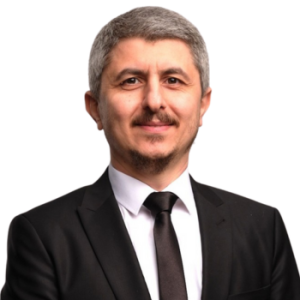
Her work combines deep sector expertise with a cross-industry lens, helping organizations understand how disruption and innovation propagate across sectors and markets.

Roberta regularly advises senior managers and executives at both technology suppliers and end-user organizations, speaks at international conferences, and moderates executive-level discussions.
She is based in Milan, Italy.

Alessandro Perilli is a Vice President leading the Agentic AI Platforms and Strategies research program. Alessandro’s core research coverage includes emerging AI technologies, global AI market trends, the state of enterprise AI, and sovereign AI.
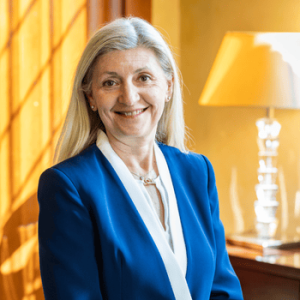
Most recently, Alessandro founded Unstable Reality, an AI R&D lab in London, where he worked as Chief of Research, developing synthetic media generation solutions for creative studios, ad agencies, and large end-user organizations.
Among other projects, Alessandro published a weekly newsletter dedicated to tracking how AI is reshaping jobs, workforce productivity, and business operations.
Previously, Alessandro served as a senior leader at Red Hat, focused on business and product strategy. Across roles, Alessandro has also worked as an advisor to Fortune Global 2000 companies, helping IT decision makers translate emerging technology shifts into actionable and risk-informed strategies.
Throughout his career, Alessandro has often delivered keynotes at industry and vendor events, focusing on the state of the union and emerging trends in cybersecurity, virtualization, and cloud computing.
L’evento, che si terrà l’ 8 ottobre 2026 a partire dalle ore 9:00, è a partecipazione gratuita (previa compilazione del modulo di registrazione) per i professionisti appartenenti ai seguenti settori: Manufacturing, Automotive, Fashion, Finance, Banking and Insurance, Retail, Energy e Utilities, Media, Pubblica Amministrazione, Sanità, Education, Transporti, Logistica, Telecommunicazioni, Servizi personali o professionali.
L’accesso all’evento non è consentito ad aziende ICT non sponsor (vendor, distributori, reseller, VAR, system integrator), società di consulenza e servizi ICT, privati e liberi professionisti.
La lingua ufficiale dell’evento è l’italiano.
Nessun problema. Organizziamo numerosi eventi progettati per ispirare idee originali, condividere gli ultimi industry insights e connettere professionisti come te. Iscriviti per ricevere i nostri inviti: ti informeremo ogni volta che un nuovo evento corrisponderà ai tuoi interessi.
Sign up
Observability is rapidly evolving as organizations across Europe embrace digital transformation, cloud adoption, and AI. As IT environments become more complex, traditional monitoring approaches are no longer sufficient.
As organizations navigate an era defined by economic uncertainty, geopolitical shifts, and relentless technological change, one truth stands out: the future belongs to those who can harness AI, automation, and sovereignty to build resilience, drive innovation, and unlock growth.
Remember the good old days when “Shadow IT” was just about rogue Excel spreadsheets and unauthorized Dropbox accounts? But the times they are a-changing! Now we’re dealing with something far more insidious: Shadow AI.
Equinix is the world’s digital infrastructure company®, shortening the path to boundless connectivity to enable the innovations that enrich our work, life and planet.
In collaborazione con
Scopri come i leader IT in Europa stanno trasformando i propri data center per supportare carichi di lavoro GenAI e HPC, bilanciando l’efficienza del cloud pubblico con la potenza e il controllo delle infrastrutture private di nuova generazione
In un’economia sempre più digitale, l’infrastruttura IT non è più un semplice supporto, ma il cuore del modello di business. La ricerca IDC 2025 evidenzia come le aziende più avanzate stiano investendo massicciamente in architetture moderne per garantire sicurezza, scalabilità e ritorni sull’investimento superiori al 10%. Attraverso l’adozione di soluzioni GPU-accelerate e strategie su misura per i mercati locali, le organizzazioni possono oggi trasformare la complessità normativa e tecnologica in un vantaggio competitivo sostenibile.
Questa Lunch Connect, organizzata da IDC in collaborazione con AMD, rappresenta l’opportunità ideale per:
Agenda
A cura di IDC e AMD
Gabriele Roberti
Director, Industry and Tech Buyer Data, IDC
A cura di AMD
Gianluca Gilardi
Corporate Vice President Sales, AMD
Gabriele Roberti is a Director in IDC’s Industry and Tech Buyer team, where he is the global point of contact for data focused on industry and end-user IT spending. In this role, he helps organizations understand how technology investment patterns are evolving across industries and buyer segments, supporting their strategic planning and sales operations.
Over the past 14 years at IDC, Gabriele has held a variety of senior research and leadership roles, supporting technology vendors in identifying market opportunities and shaping effective go-to-market strategies. He began his career at IDC covering the Italian market, before moving into European research, where he coordinated regional quantitative studies on IT strategies and led IDC’s European Edge Computing practice. During his tenure, he also spearheaded IDC’s global Partner Intelligence program, before transitioning to his current focus on cross-industry and end-user intelligence.
Gabriele holds a Master’s degree in Engineering and an MBA from Politecnico di Milano. Prior to joining IDC, he worked as a project manager and researcher at Politecnico di Milano.
Between 1994 and 1999, Gianluca Gilardi worked at Arrow, holding various positions including Xilinx FAE, Xilinx PLM, and Technical Sales. He joined Xilinx in 1999, initially working as an FAE for four years, primarily focusing on global Telecom accounts. In 2003, Gilardi transitioned to Sales, where he held numerous roles, such as Key Account Manager, Regional Sales Manager, and Global Account Manager for Alcatel-Lucent. For five years, he led the EMEA Distribution Sales Channel. In January 2020, he was promoted to the position of VP Sales EMEA. Gianluca Gilardi holds a Master’s degree in Electronic Engineering from Politecnico di Milano.
SINE è un ristorante di fine dining inclusivo che unisce rigore tecnico e libertà creativa, offrendo un’accoglienza sartoriale adatta a ogni momento di vita. E’ un luogo senza confini, dove desiderio e cultura gastronomica guidano l’esperienza.
Viale Umbria, Ang. Corso XXII Marzo
AMD (NASDAQ: AMD) drives innovation in high-performance and AI computing to solve the world’s most important challenges. Today, AMD technology powers billions of experiences across cloud and AI infrastructure, embedded systems, AI PCs and gaming. With a broad portfolio of AI-optimized CPUs, GPUs, networking and software, AMD delivers full-stack AI solutions that provide the performance and scalability needed for a new era of intelligent computing. Learn more at www.amd.com.
L'evento è gratuito ma soggetto alla conferma finale da parte della segreteria organizzativa IDC in seguito alla registrazione.
C-suites across verticals and company sizes are looking to modernize their IT environment to meet their three core business goals: business innovation with AI, legacy transformation, and ensuring resilience and control.
Application migration and data readiness, followed by AI readiness are the backbone to meet these business objectives. But only a handful of organisations admit that their migration and modernization strategies have been fully successful and is yielding expected results, according to IDC’s research. The reasons c-suites share for modernisation failures are not just about technology. Often times, it is operational challenges, infrastructure complexities, skills shortages, misalignment with business needs, change management, and legacy processes. Platform engineering is emerging as the essential architectural foundation for scaling modern software delivery, particularly as organisations navigate the complexities of cloud migration, application modernisation, and the integration of AI.
Hosted and moderated by IDC, and sponsored by AWS & SoftServe, at One Aldwych.
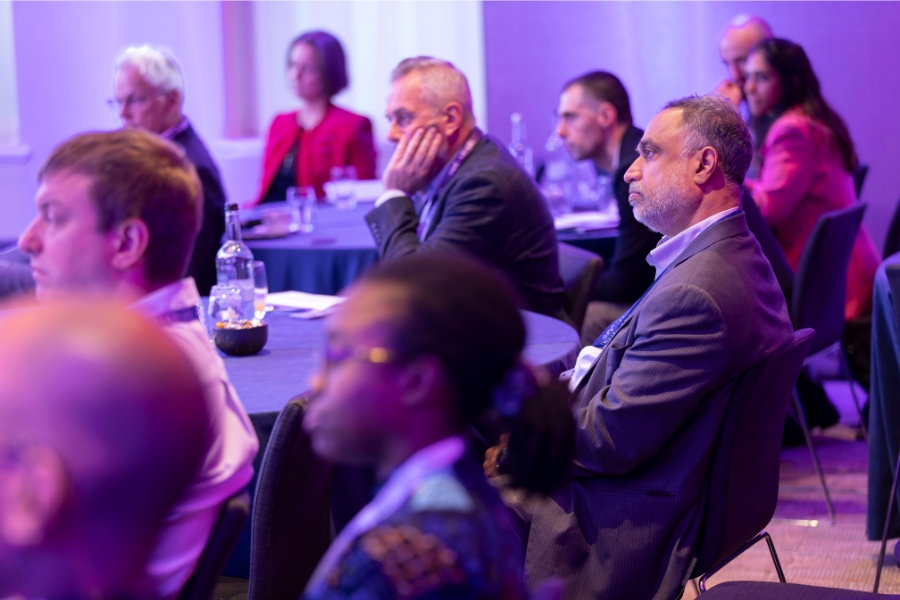
On Thursday 2nd July, this roundtable offers a unique opportunity to engage with industry experts, exchange perspectives, and, most importantly, share your own experiences and challenges for a confident way forward to meeting business objectives.
Guest arrival with welcome drinks to be served
Archana Venkatraman
Senior Director Research, Cloud Data Management, IDC
What is the current application and infrastructure and what are the risks, challenges, and limitations of status quo?
What is the appetite and drivers for change? Is it business-driven?
What should the charter for transformation be? Strategic role of platform engineering in achieving success.
How to balance innovation and resilience? How to architect a resilient IT architecture to thrive in a BANI (Brittle, Anxious, Non-Linear, and often Incomprehensible) world laden with geopolitical, sovereignty, cyber security and supply chain challenges.
What does good look like?
How can IT leaders deliver on the modernisation strategy and what are the key considerations across data, processes, people and budgets?
How to de-risk the projects and leverage ecosystem capabilities for speed and impact?
What are the metrics and KPIs of success along the way?
Coffee Served & Evaluation Forms Distributed
Archana Venkatraman
Senior Director Research, Cloud Data Management, IDC
SoftServe is a premier IT consulting and digital services provider that blends innovation and sophisticated engineering for financial institutions. We expand the horizon of new technologies to solve today’s complex banking and insurance challenges and achieve meaningful outcomes for our clients.
Whether that is risk management, underwriting, lending, payments or other business processes, our boundless curiosity drives us to explore and reimagine the art of the possible. Clients confidently rely on SoftServe to architect and execute mature and innovative capabilities, such as digital engineering, data and analytics, cloud, and AI/ML, to revitalise existing legacy systems and build new resources.
Our global reputation is gained from more than 32 years of experience delivering superior digital solutions at exceptional speed by top-tier engineering talent across the financial services landscape. Visit our website, blog, LinkedIn, Facebook, and X (Twitter) pages for more information.
Amazon Web Services (AWS) is the world’s most comprehensive and broadly adopted cloud platform, offering over 200 fully featured services from data centers globally. Millions of customers—including the fastest-growing startups, largest enterprises, and leading government agencies—are using AWS to lower costs, become more agile, and innovate faster.