Partner Spotlight
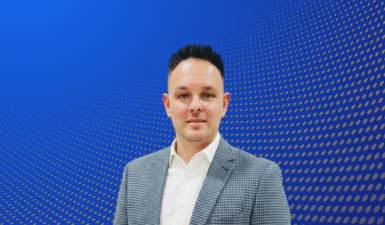
Johan Nepgen
Principal Sales Engineer
Mimecast
The Human Risk in Cybersecurity: Key Insights from the 2026 Report
Organizations have invested billions in advanced cybersecurity tools like firewalls, SIEM platforms, and zero-trust architectures. Yet, breaches persist. The root cause is not a technology gap but a human challenge. Mimecast’s The State of Human Risk 2026 report, based on input from 2,500 IT professionals across nine countries, highlights this stark reality: organizations know their vulnerabilities but aren’t acting quickly enough to address them.
The Cost of Inaction
The financial stakes are severe. A single insider-driven data exposure event costs organizations $13.1 million on average. With six such incidents per month, organizations face an estimated $943 million in annual losses. These incidents often occur across email inboxes, collaboration platforms, and internal communication channels—highlighting the growing complexity of modern cyber threats.
The Recognition-Action Gap
A key finding from the report is the gap between awareness and action. While 96% of organizations acknowledge incomplete protection and 91% face compliance challenges, only 28% implement two essential practices: regular security awareness training and continuous monitoring for policy violations. This disconnect creates opportunities for attackers who exploit what organizations fail to act on, rather than what they fail to see.
Five Critical Gaps in Cybersecurity
The report outlines five interconnected gaps traditional defenses fail to address:
1. Attack Surface Explosion
Threats now span email, Slack, Teams, Zoom, and other platforms. Despite 71% of organizations expecting negative business impacts from collaboration tool attacks, 38% still rely solely on inadequate native security controls.
2. Insider Risk Crisis
Just 8% of employees account for 80% of security incidents, often due to fatigue or social engineering. Organizations rarely coordinate prevention strategies across negligent, compromised, and malicious insider profiles.
3. Integration Paradox
While 65% of organizations struggle with integrating tools, those who succeed report 40% faster threat remediation. Failed integrations, however, lead to tool sprawl and reduced visibility.
4. Governance Breakdown
Despite the importance of governance, 59% lack confidence in locating data quickly for compliance needs. Manual processes, still used by 36%, cannot keep up with growing data demands.
5. AI Readiness Gap
Although 69% expect AI-driven attacks soon, only 40% have strategies to counter them. This 29-point recognition-readiness gap leaves organizations exposed to AI-enabled phishing and deepfake threats.
The Role of AI: Threat and Opportunity
AI amplifies the risks outlined above. Attackers leverage AI to craft highly convincing phishing emails, voice deepfakes, and sustained business email compromise attacks. Defensively, AI adoption is growing—over half of organizations now use AI for threat detection—but unevenly. While 48% invest in AI monitoring tools, fewer train employees (44%) or establish AI usage policies (41%). This imbalance leaves people vulnerable to AI-driven exploitation.
Moving from Awareness to Execution
Mimecast recommends five priorities for addressing human risk: securing all communication channels, managing risk with behavioral analytics, automating compliance, consolidating tools into integrated platforms, and preparing for AI threats with both defensive AI and governance frameworks. These strategies are interconnected, creating a unified, operationally feasible approach to cybersecurity.
The Bottom Line
With nearly $1 billion in annual insider risk exposure and AI transforming the threat landscape, 2026 must be the year organizations act decisively. The cost of inaction far outweighs the investment required to mitigate human risk. Security leaders face a critical question: will you act before the next incident—or after? Download Mimecast’s report for detailed findings and actionable recommendations. https://www.mimecast.com/resources/ebooks/state-of-human-risk/